
Opening branch overview
Building the branch home surface
Loading branch highlights, featured unit context, and gallery moments.
Overview
Members
Units
Building the branch home surface
Loading branch highlights, featured unit context, and gallery moments.
Building the branch units surface
Loading unit filters, rankings, and the branch unit grid.

1 members•1 unit
Relive and share the memories of your service-time with your brothers and sisters in arms today. VetFriends.com can help you reconnect.
Did you proudly serve in the uss rawlins--apa226?
Are you looking for someone who is or was in the uss rawlins--apa226?
Do you have uss rawlins--apa226 photos you'd like to share?
Then join a community with your brothers and sisters of the uss rawlins--apa226.
Branch
U.S. Navy
Members
1
USS Rawlins (APA-226) was a Haskell-class attack transport commissioned by the United States Navy during World War II. Launched in October 1944, she served in the Pacific Theater, transporting troops and cargo to support major amphibious operations, including the Battle of Okinawa in 1945. After the war, USS Rawlins participated in Operation Magic Carpet, repatriating American servicemen from the Pacific. She was decommissioned in March 1946 and eventually struck from the Navy List in 1958.
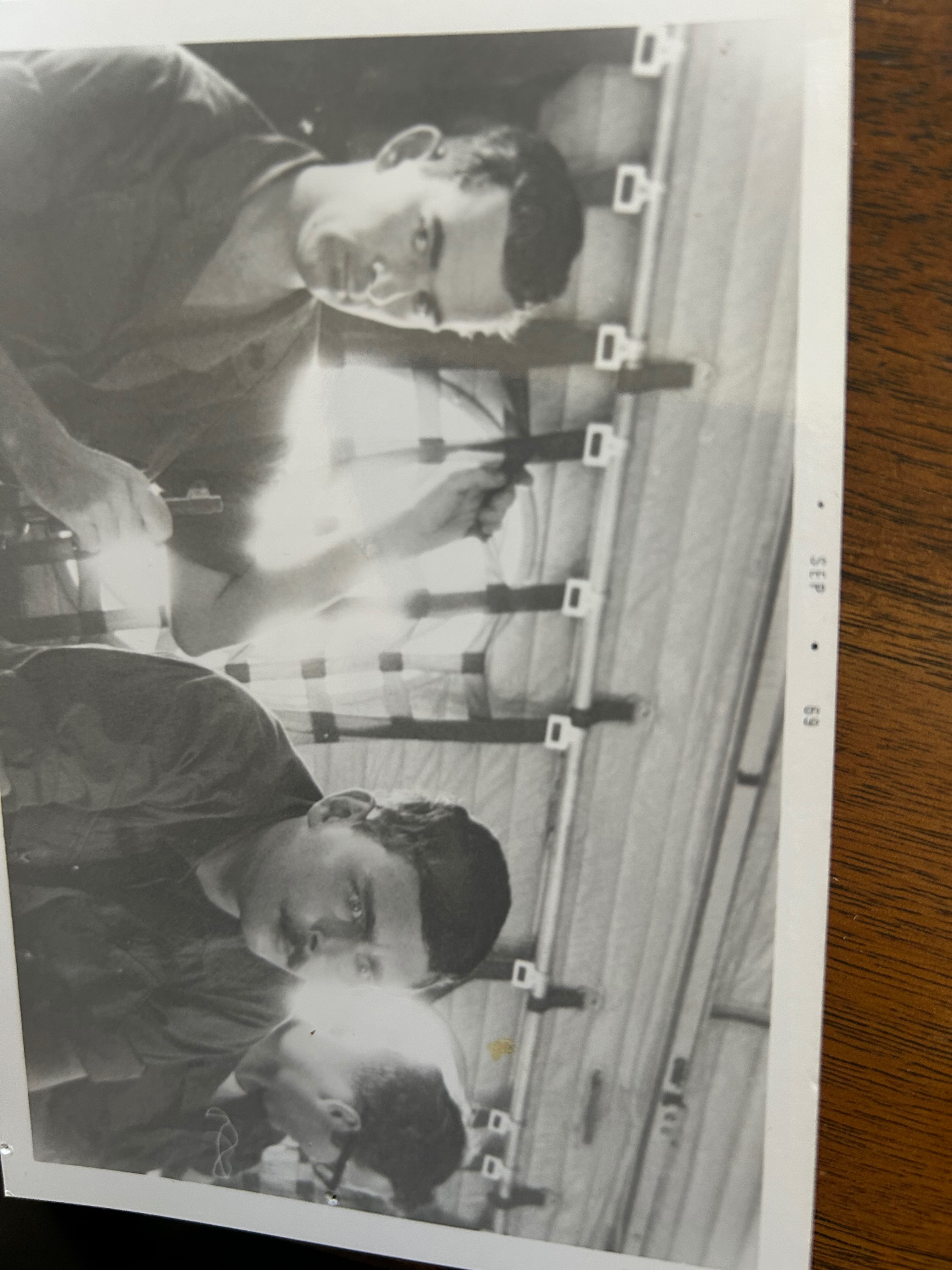
MILPHAP N-4 • U.S. Navy • 1968
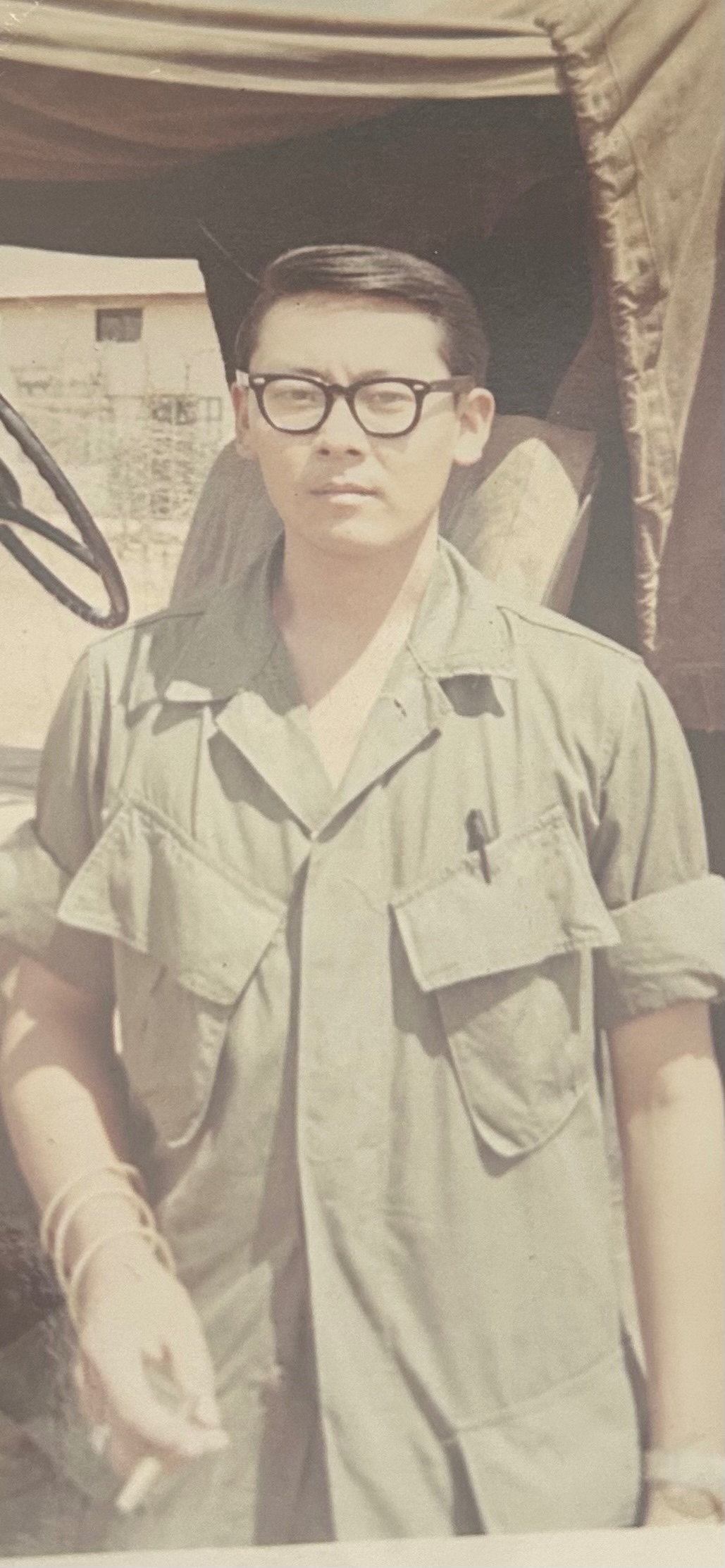
MILPHAP N-4 • U.S. Navy • 1968
U.S. Navy • 1968
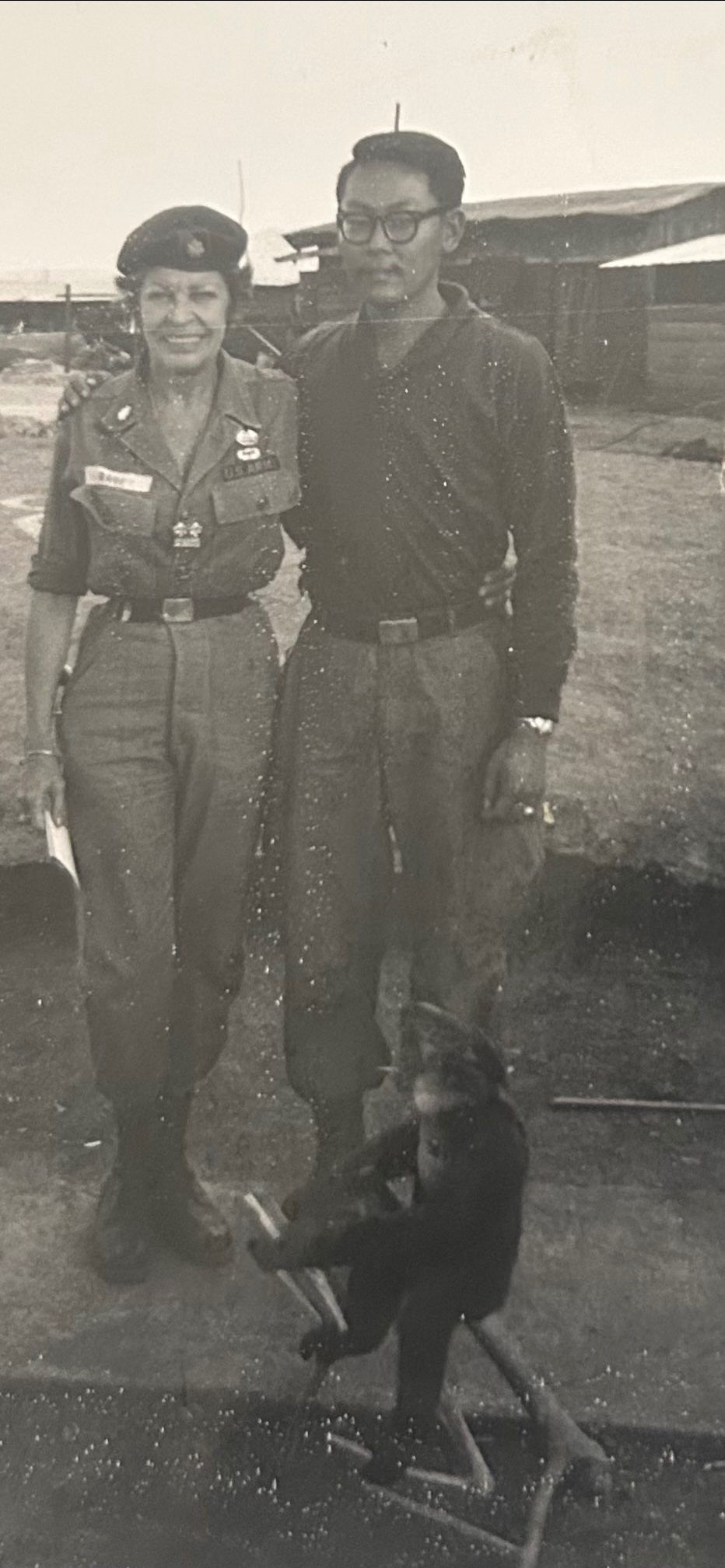
U.S. Navy • 1968