
Opening branch overview
Building the branch home surface
Loading branch highlights, featured unit context, and gallery moments.
Overview
Members
Units
Building the branch home surface
Loading branch highlights, featured unit context, and gallery moments.
Building the branch units surface
Loading unit filters, rankings, and the branch unit grid.

U.S. Navy•13 members
Relive and share the memories of your service-time with your brothers and sisters in arms today. VetFriends.com can help you reconnect.
Did you proudly serve in the USS Northampton (CC-1)?
Are you looking for someone who is or was in the USS Northampton (CC-1)?
Do you have USS Northampton (CC-1) photos you'd like to share?
Then join a community with your brothers and sisters of the USS Northampton (CC-1).
USS Northampton (CC-1) was planned as the lead ship of a new class of heavy cruisers for the United States Navy in the early 1920s. Intended to serve as a fast, heavily armed cruiser, she was laid down at the Fore River Shipyard in Quincy, Massachusetts. However, construction was halted and the project was canceled in 1923 as a result of the Washington Naval Treaty, which imposed limits on naval armaments and capital ship construction. As a result, USS Northampton (CC-1) was never completed and was subsequently scrapped, leaving her name to be used for later vessels.
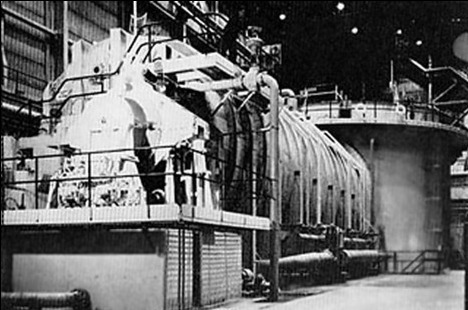
NPTU IDAHO • U.S. Navy • 1972
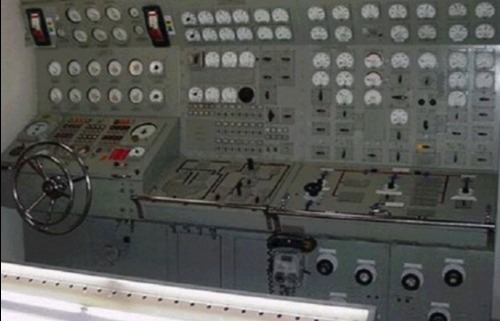
NPTU IDAHO • U.S. Navy • 1978
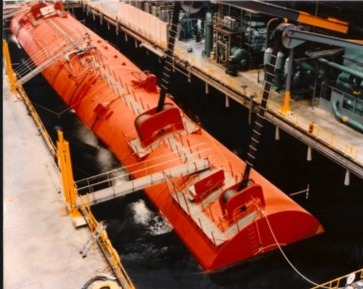
NPTU IDAHO • U.S. Navy • 1978
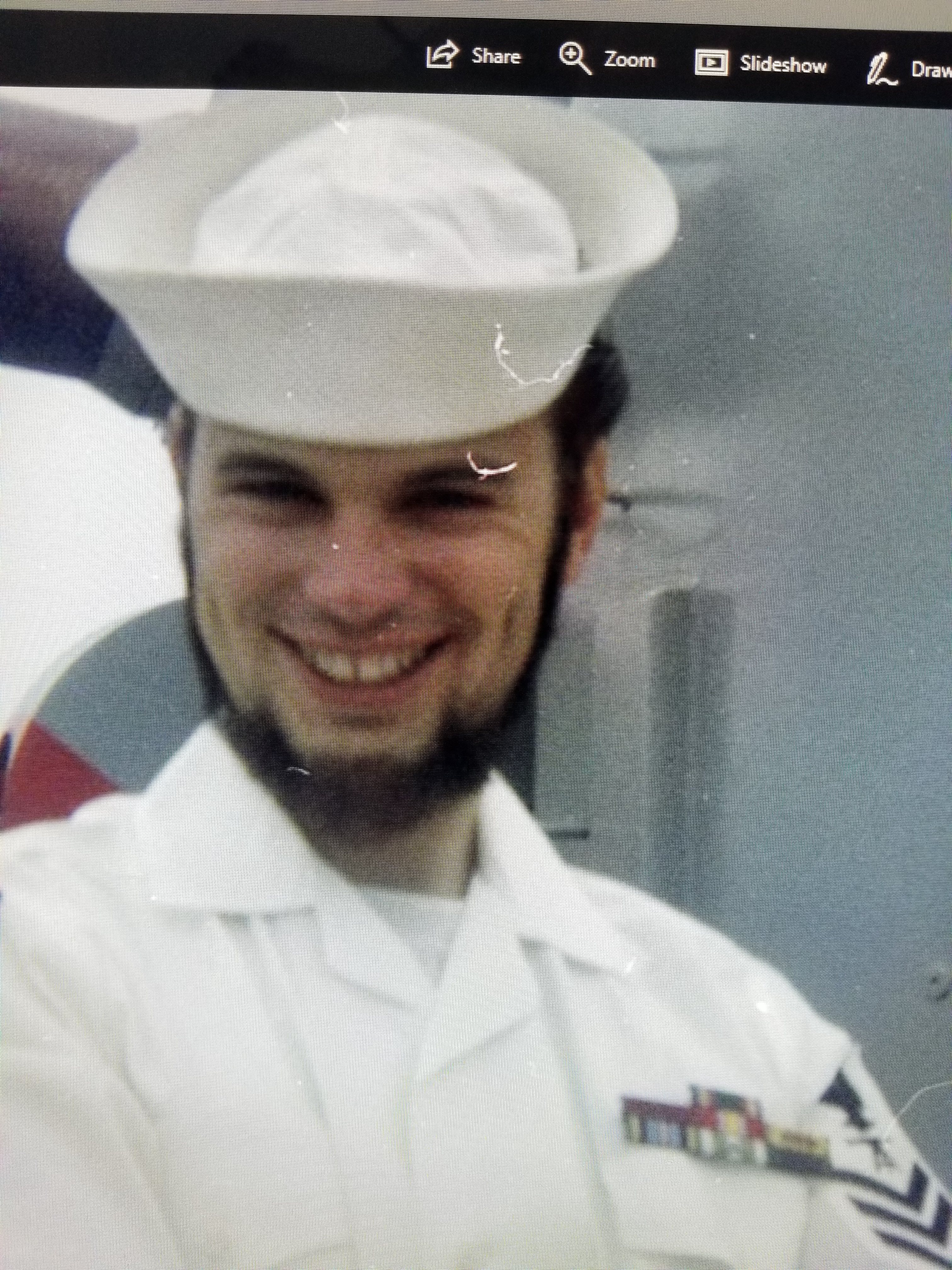
USS EDSON DD946 • U.S. Navy • 1973