
Opening branch overview
Building the branch home surface
Loading branch highlights, featured unit context, and gallery moments.
Overview
Members
Units
Building the branch home surface
Loading branch highlights, featured unit context, and gallery moments.
Building the branch units surface
Loading unit filters, rankings, and the branch unit grid.

3 members•1 unit
Relive and share the memories of your service-time with your brothers and sisters in arms today. VetFriends.com can help you reconnect.
Did you proudly serve in the USS Monrovia (APA-31)?
Are you looking for someone who is or was in the USS Monrovia (APA-31)?
Do you have USS Monrovia (APA-31) photos you'd like to share?
Then join a community with your brothers and sisters of the USS Monrovia (APA-31).
Branch
U.S. Navy
Members
3
The USS Monrovia (APA-31) was a Crescent City-class attack transport commissioned by the United States Navy in 1943. Throughout World War II, she played a pivotal role in several major amphibious operations, including the invasions of Sicily, Salerno, and southern France in the European Theater, as well as landings in the Pacific such as at Okinawa. Monrovia frequently served as a flagship for high-ranking commanders, including General Dwight D. Eisenhower during the Sicilian campaign. After the war, she assisted in Operation Magic Carpet, returning American servicemen home before being decommissioned in 1946.
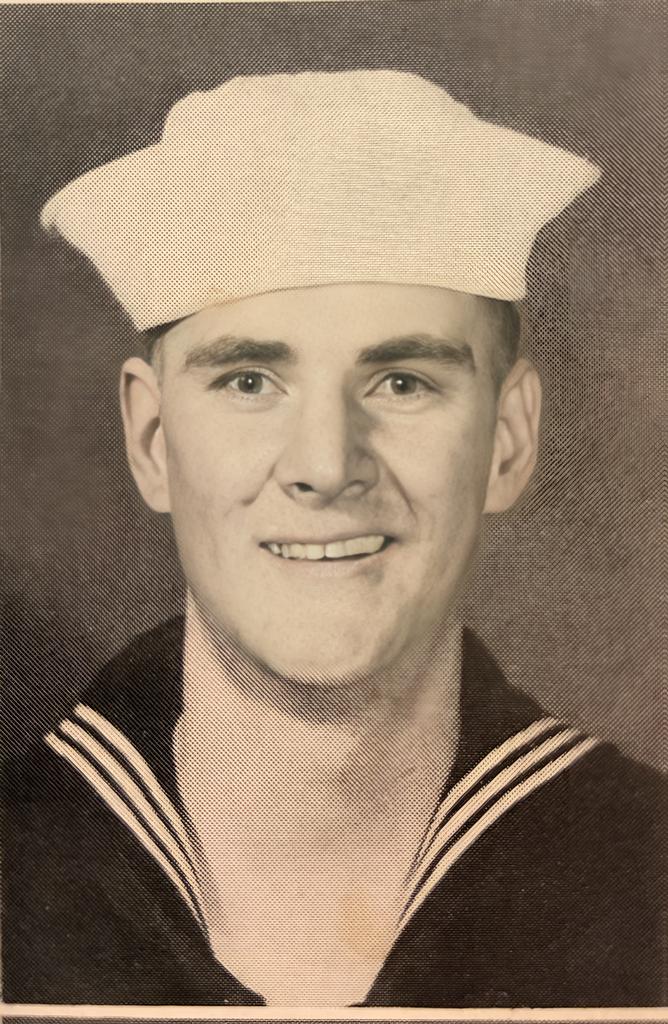
U.S. Navy • 1952