
Opening branch overview
Building the branch home surface
Loading branch highlights, featured unit context, and gallery moments.
Overview
Members
Units
Building the branch home surface
Loading branch highlights, featured unit context, and gallery moments.
Building the branch units surface
Loading unit filters, rankings, and the branch unit grid.

16 members•1 unit
Relive and share the memories of your service-time with your brothers and sisters in arms today. VetFriends.com can help you reconnect.
Did you proudly serve in the USS Mauna Kea (AE-22)?
Are you looking for someone who is or was in the USS Mauna Kea (AE-22)?
Do you have USS Mauna Kea (AE-22) photos you'd like to share?
Then join a community with your brothers and sisters of the USS Mauna Kea (AE-22).
Branch
U.S. Navy
Members
16
USS Mauna Kea (AE-22) was a Kilauea-class ammunition ship commissioned by the United States Navy in 1960. Designed to transport and deliver ordnance to fleet units at sea, she played a vital logistic support role during the Vietnam War, conducting numerous underway replenishments to U.S. and allied vessels. Throughout her service, Mauna Kea participated in multiple operations in the Pacific and Indian Oceans, demonstrating the importance of at-sea resupply in modern naval warfare. Decommissioned in 1995, she was eventually struck from the Naval Vessel Register, marking the end of her 35 years of distinguished service.

U.S. Navy
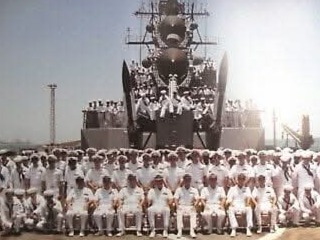
Dahlgrenddg43 • U.S. Navy • 1990
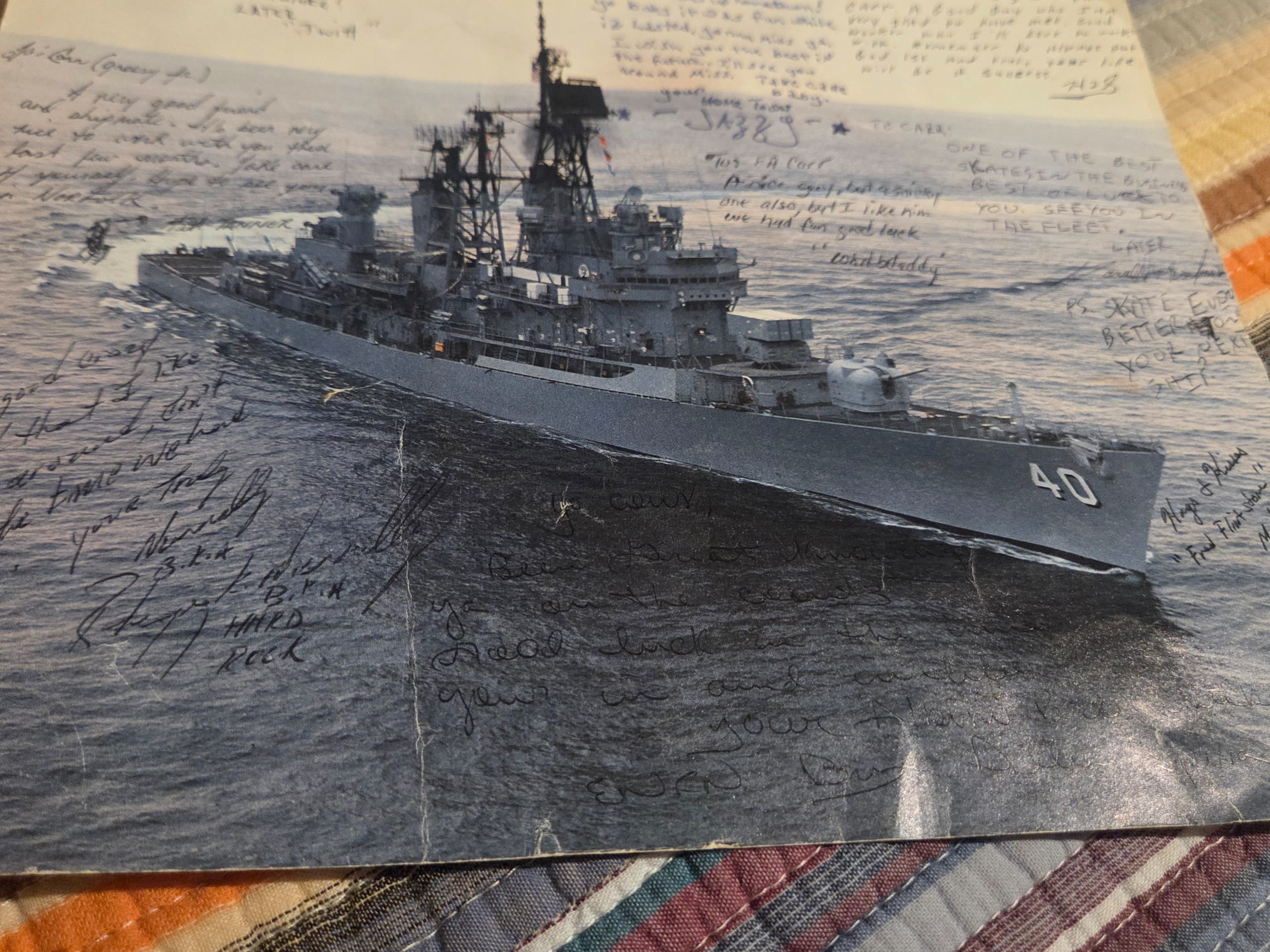
Coontz ddg 40 • U.S. Navy • 1989
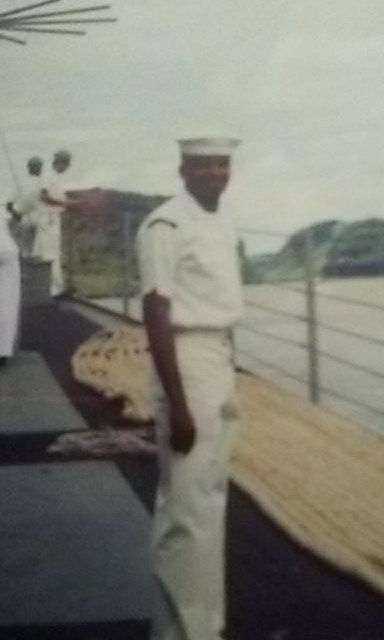
Coontz ddg 40 • U.S. Navy • 1988