
Opening branch overview
Building the branch home surface
Loading branch highlights, featured unit context, and gallery moments.
Overview
Members
Units
Building the branch home surface
Loading branch highlights, featured unit context, and gallery moments.
Building the branch units surface
Loading unit filters, rankings, and the branch unit grid.

18 members•1 unit
Relive and share the memories of your service-time with your brothers and sisters in arms today. VetFriends.com can help you reconnect.
Did you proudly serve in the USS Los Alamos (AFDB-7)?
Are you looking for someone who is or was in the USS Los Alamos (AFDB-7)?
Do you have USS Los Alamos (AFDB-7) photos you'd like to share?
Then join a community with your brothers and sisters of the USS Los Alamos (AFDB-7).
Branch
U.S. Navy
Members
18
USS Los Alamos (AFDB-7) was a floating dry dock constructed for the United States Navy during the mid-20th century. Commissioned in 1945, it served as a critical support asset, enabling the repair and maintenance of large naval vessels, including aircraft carriers and submarines, while deployed in remote locations. Throughout its service, Los Alamos operated primarily in the Pacific, playing a vital logistical role during the Cold War by extending the operational reach of the U.S. fleet. Eventually, the dry dock was decommissioned and transferred to the Republic of Chile in 1995, where it continued its service under a new flag.

U.S. Navy
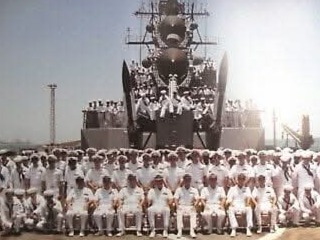
Dahlgrenddg43 • U.S. Navy • 1990
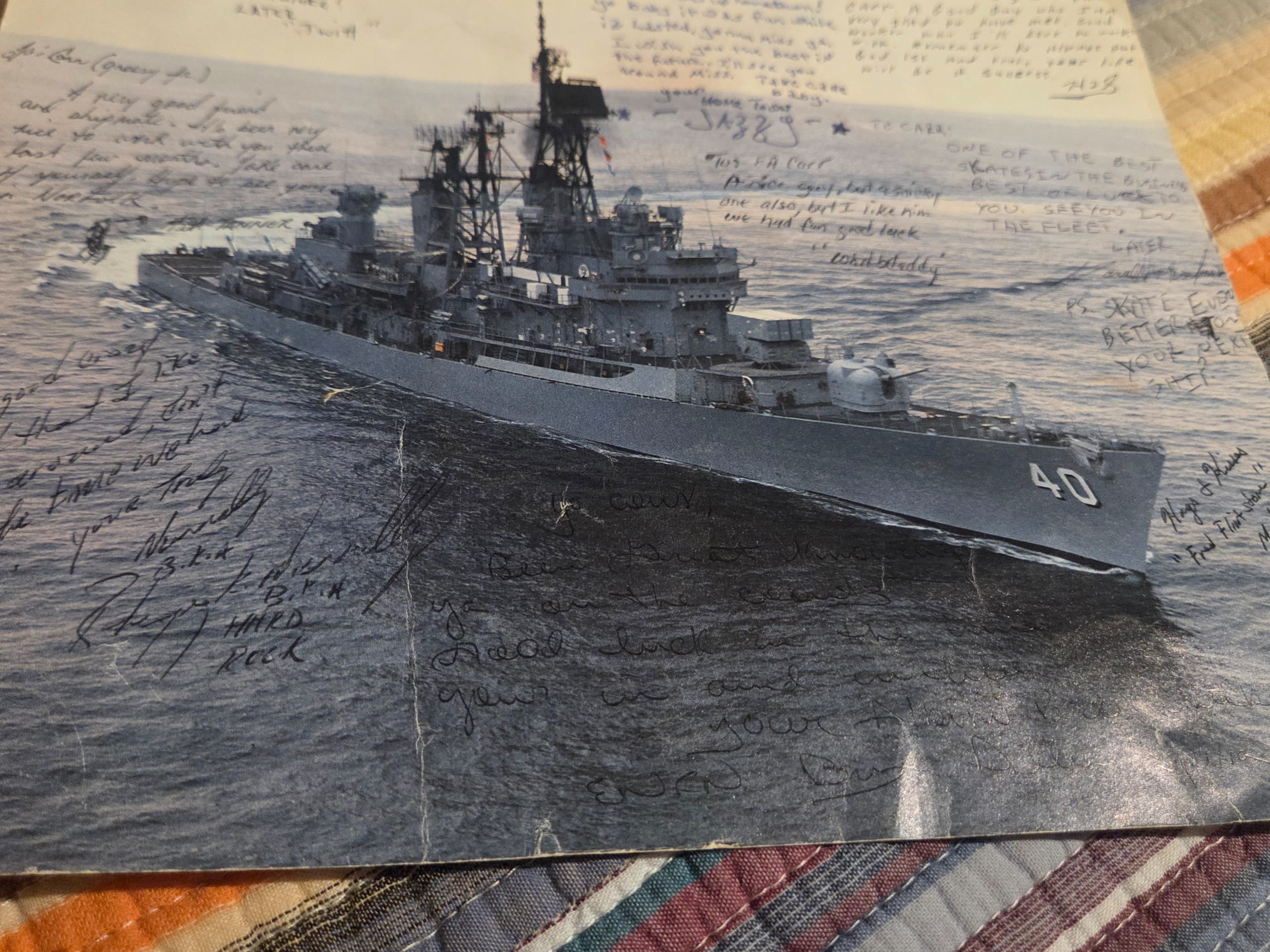
Coontz ddg 40 • U.S. Navy • 1989
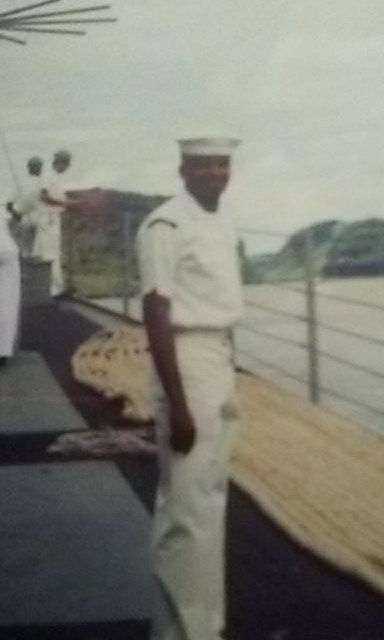
Coontz ddg 40 • U.S. Navy • 1988