
Opening branch overview
Building the branch home surface
Loading branch highlights, featured unit context, and gallery moments.
Overview
Members
Units
Building the branch home surface
Loading branch highlights, featured unit context, and gallery moments.
Building the branch units surface
Loading unit filters, rankings, and the branch unit grid.

9 members•1 unit
Relive and share the memories of your service-time with your brothers and sisters in arms today. VetFriends.com can help you reconnect.
Did you proudly serve in the USS Long Beach CG(N)-9?
Are you looking for someone who is or was in the USS Long Beach CG(N)-9?
Do you have USS Long Beach CG(N)-9 photos you'd like to share?
Then join a community with your brothers and sisters of the USS Long Beach CG(N)-9.
Branch
U.S. Navy
Members
9
USS Long Beach (CGN-9), commissioned in 1961, was the world’s first nuclear-powered guided missile cruiser and the only ship of her class in the United States Navy. Designed during the Cold War, she featured advanced radar and missile systems, including the Talos and Terrier surface-to-air missiles, making her a formidable air defense platform. Throughout her service, Long Beach participated in key operations such as the Vietnam War, where she provided air defense for carrier task forces, and later supported operations during the Gulf War. After a distinguished career demonstrating the utility of nuclear propulsion in surface warships, she was decommissioned in 1995.

U.S. Navy
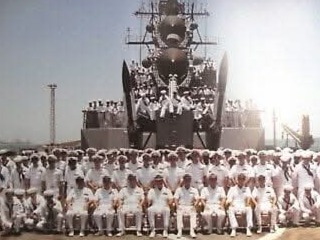
Dahlgrenddg43 • U.S. Navy • 1990
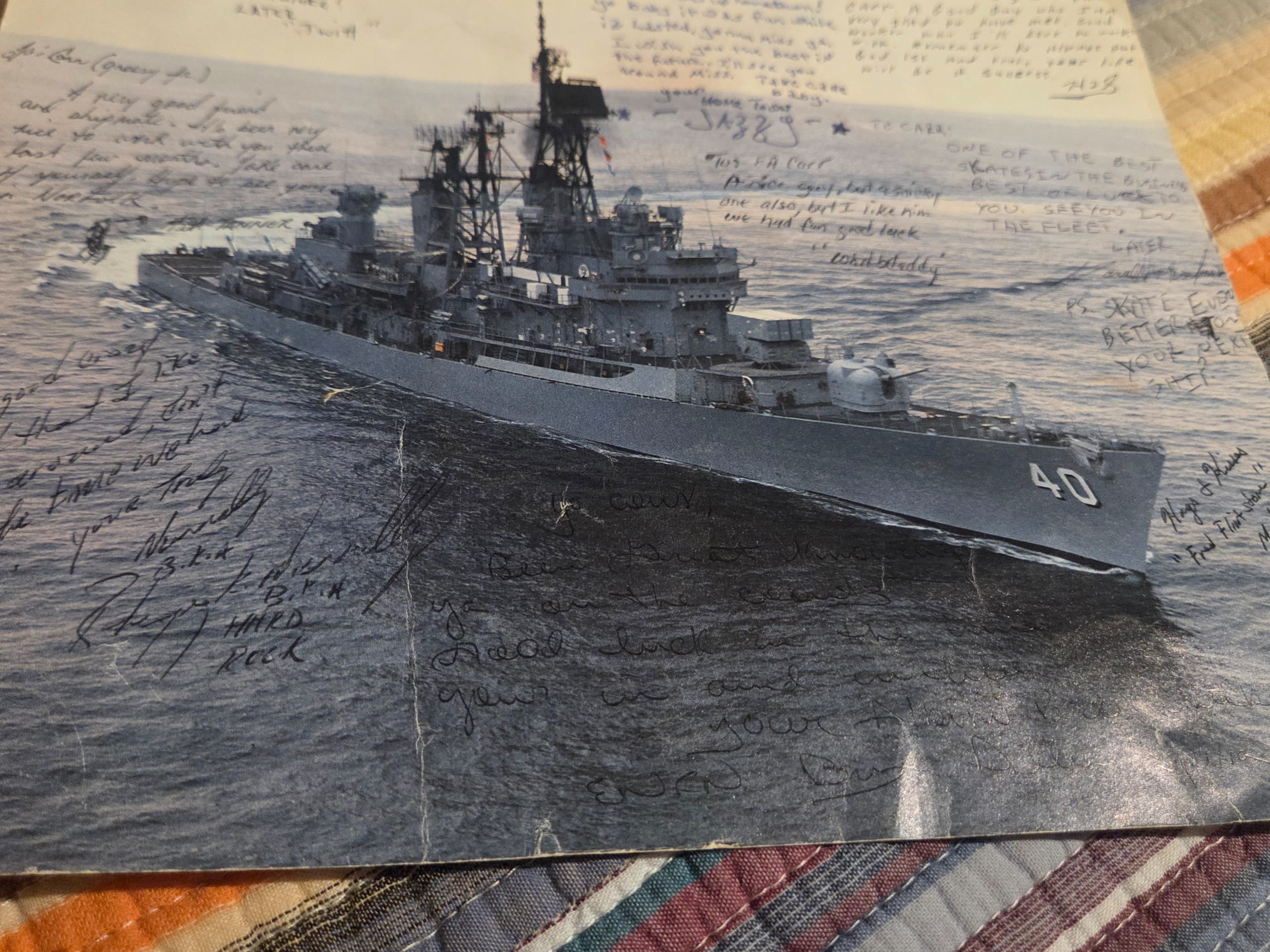
Coontz ddg 40 • U.S. Navy • 1989
Coontz ddg 40 • U.S. Navy • 1988