
Opening branch overview
Building the branch home surface
Loading branch highlights, featured unit context, and gallery moments.
Overview
Members
Units
Building the branch home surface
Loading branch highlights, featured unit context, and gallery moments.
Building the branch units surface
Loading unit filters, rankings, and the branch unit grid.

U.S. Navy•68 members
Relive and share the memories of your service-time with your brothers and sisters in arms today. VetFriends.com can help you reconnect.
Did you proudly serve in the USS LEXINGTON?
Are you looking for someone who is or was in the USS LEXINGTON?
Do you have USS LEXINGTON photos you'd like to share?
Then join a community with your brothers and sisters of the USS LEXINGTON.
The USS Lexington is a name carried by several distinguished ships in the United States Navy, most famously by the aircraft carrier CV-2. Commissioned in 1927, this "Lady Lex" played a pivotal role in the early Pacific campaigns of World War II, including the Battle of the Coral Sea in May 1942. During that battle, she was heavily damaged by enemy aircraft and ultimately sunk, marking the first aircraft carrier lost by the United States in the war. Despite her loss, the USS Lexington’s crew and air group contributed significantly to halting Japanese expansion, and her name was later passed on to the Essex-class carrier CV-16, which served throughout the remainder of the war and beyond.
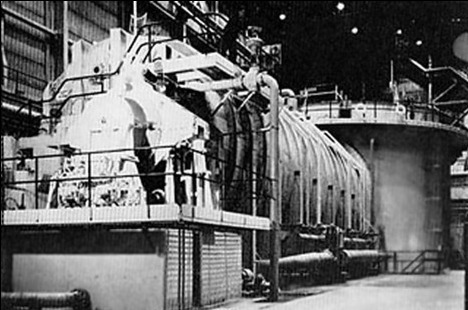
NPTU IDAHO • U.S. Navy • 1972
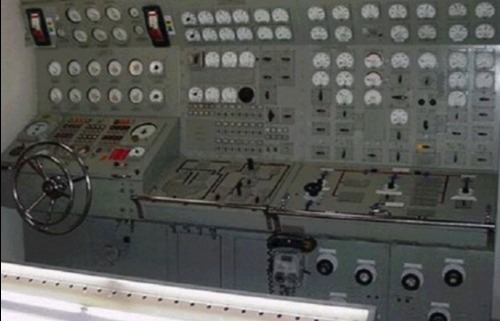
NPTU IDAHO • U.S. Navy • 1978
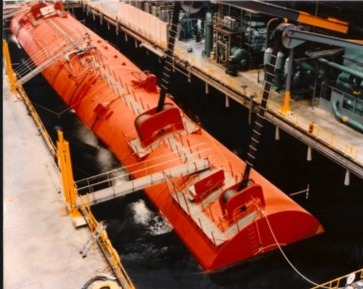
NPTU IDAHO • U.S. Navy • 1978
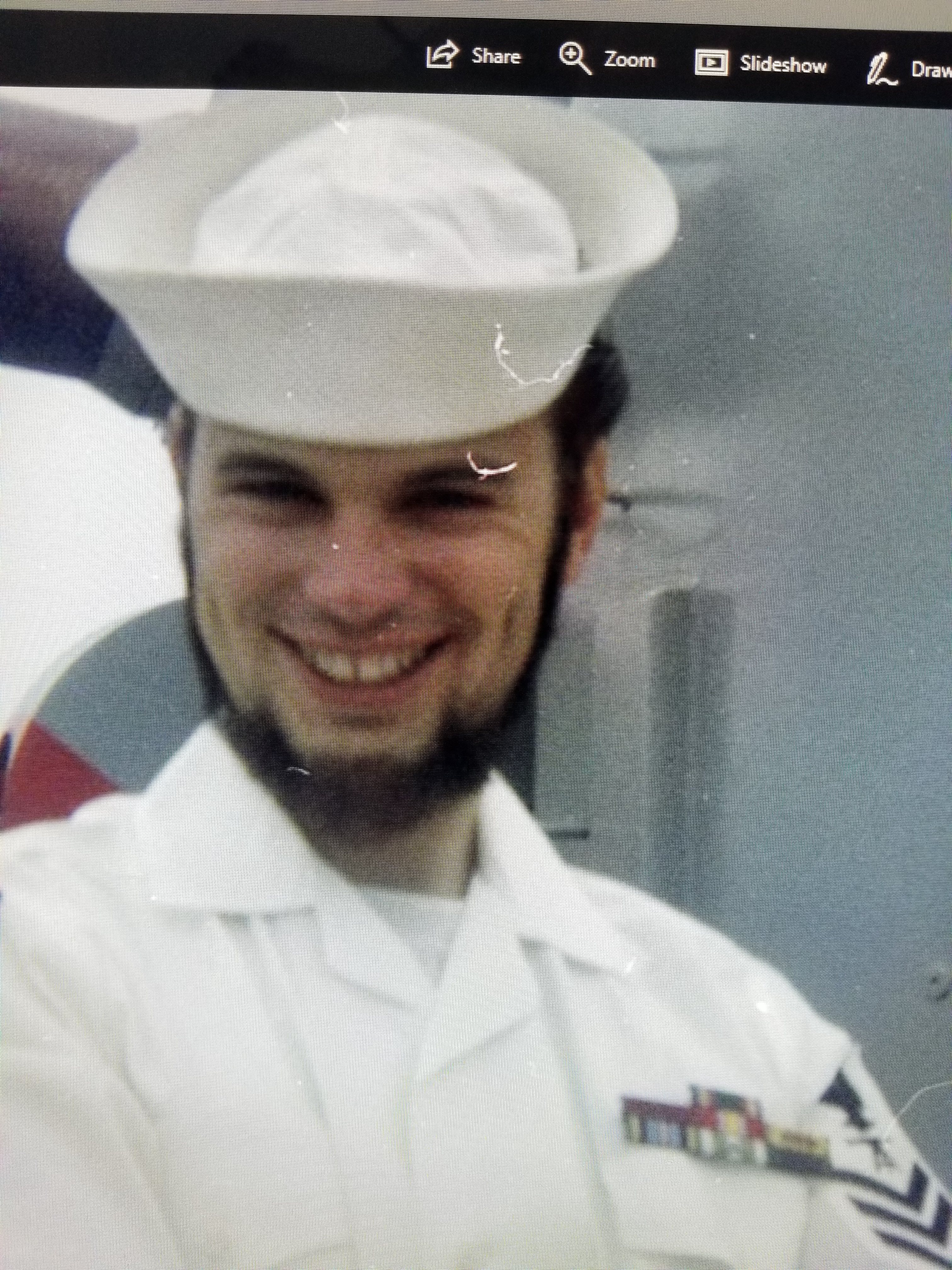
USS EDSON DD946 • U.S. Navy • 1973