
Opening branch overview
Building the branch home surface
Loading branch highlights, featured unit context, and gallery moments.
Overview
Members
Units
Building the branch home surface
Loading branch highlights, featured unit context, and gallery moments.
Building the branch units surface
Loading unit filters, rankings, and the branch unit grid.

2 members•1 unit
Relive and share the memories of your service-time with your brothers and sisters in arms today. VetFriends.com can help you reconnect.
Did you proudly serve in the USS LAPON SSN 661?
Are you looking for someone who is or was in the USS LAPON SSN 661?
Do you have USS LAPON SSN 661 photos you'd like to share?
Then join a community with your brothers and sisters of the USS LAPON SSN 661.
Branch
U.S. Navy
Members
2
USS Lapon (SSN-661) was a Sturgeon-class attack submarine commissioned by the United States Navy in 1970. Designed for anti-submarine warfare and intelligence gathering during the Cold War, she conducted numerous covert operations and patrols, primarily in the Atlantic and Mediterranean theaters. USS Lapon earned a reputation for excellence, receiving multiple commendations for her service and operational achievements. After over two decades of active duty, she was decommissioned in 1992, marking the end of her distinguished career.
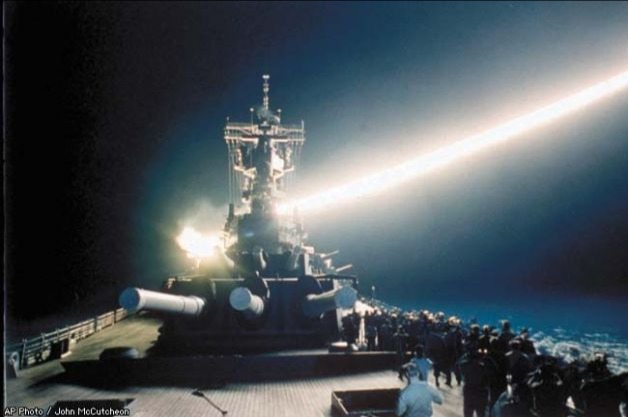
U.S. Navy • 1991
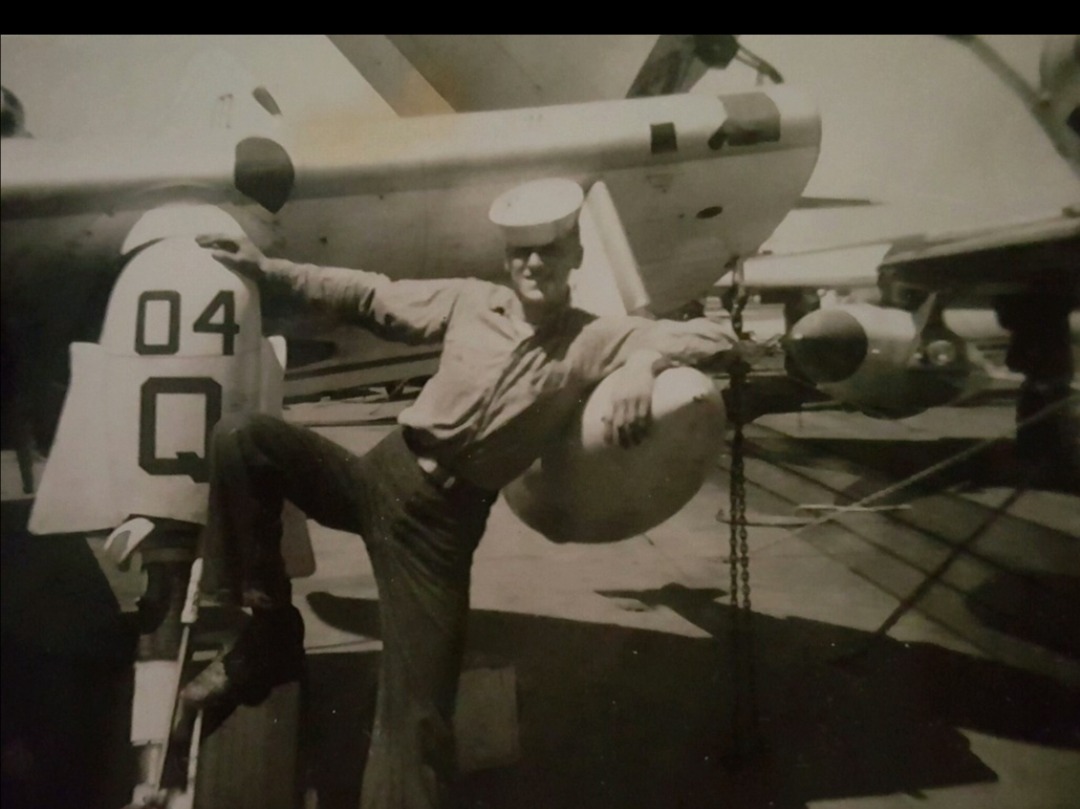
U.S. Navy
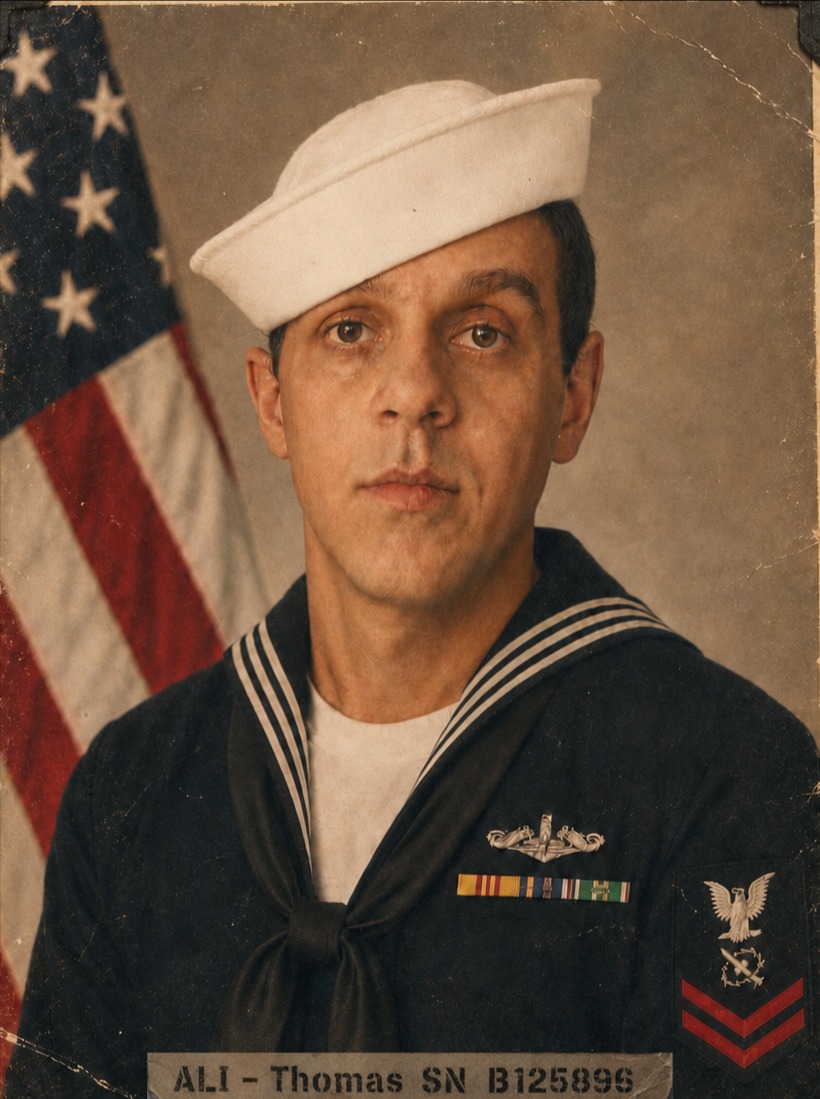
WEAPONS • U.S. Navy • 1968
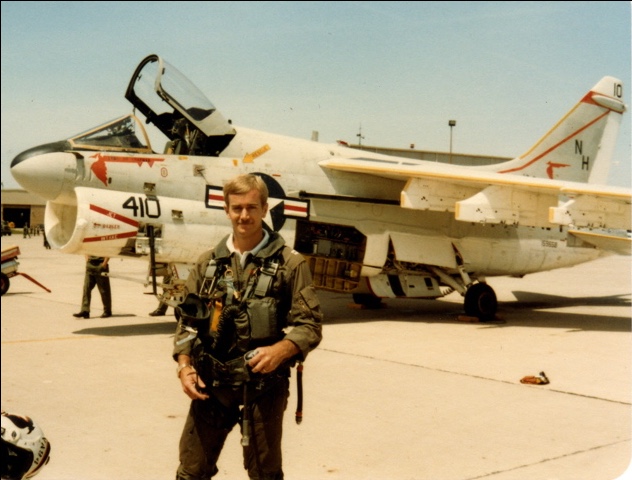
U.S. Navy