Over 3,064,780 active members
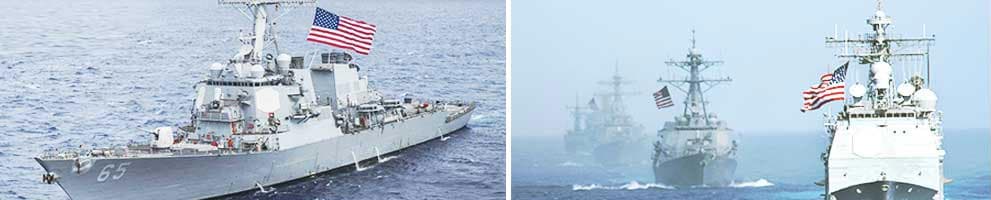
U.S. Navy•3 members
Relive and share the memories of your service-time with your brothers and sisters in arms today. VetFriends.com can help you reconnect.
Did you proudly serve in the USS Kishwaukee AOG-9?
Are you looking for someone who is or was in the USS Kishwaukee AOG-9?
Do you have USS Kishwaukee AOG-9 photos you'd like to share?
Then join a community with your brothers and sisters of the USS Kishwaukee AOG-9.
Branch
U.S. Navy
Members
3
USS Kishwaukee (AOG-9) was a Patapsco-class gasoline tanker commissioned by the United States Navy in 1943. She served throughout World War II, supplying fuel to warships and remote bases in the Pacific Theater, including support during the Mariana and Palau Islands campaigns. After the war, Kishwaukee was placed in reserve but later recommissioned for service during the Korean War and continued to operate in the Western Pacific. The ship was finally decommissioned in 1957, having earned several battle stars for her vital logistical support in multiple conflicts.

U.S. Navy • 1987
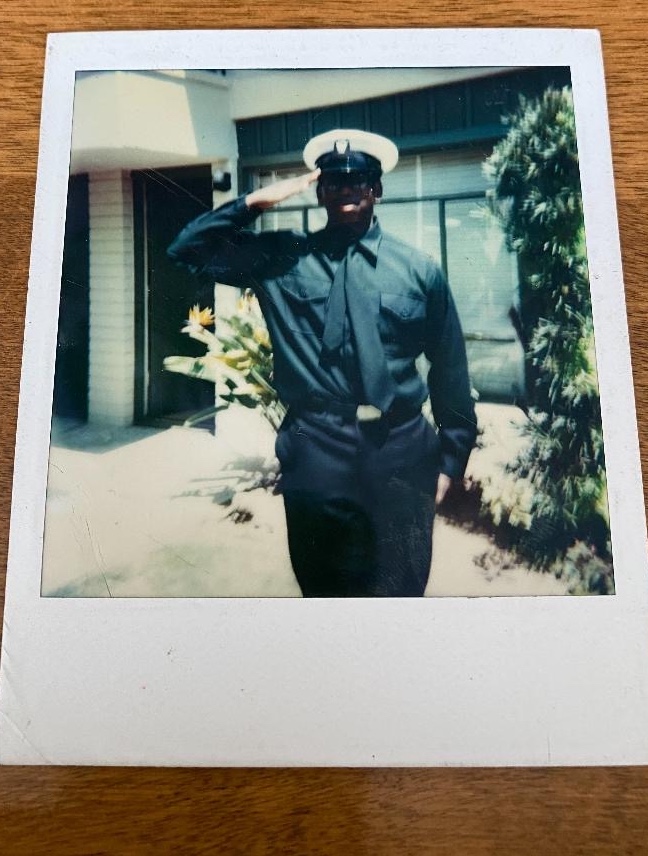
U.S. Navy • 1979
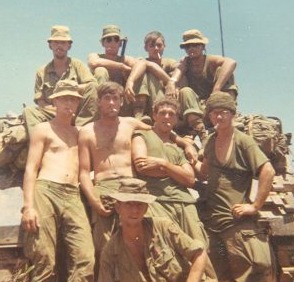
U.S. Navy
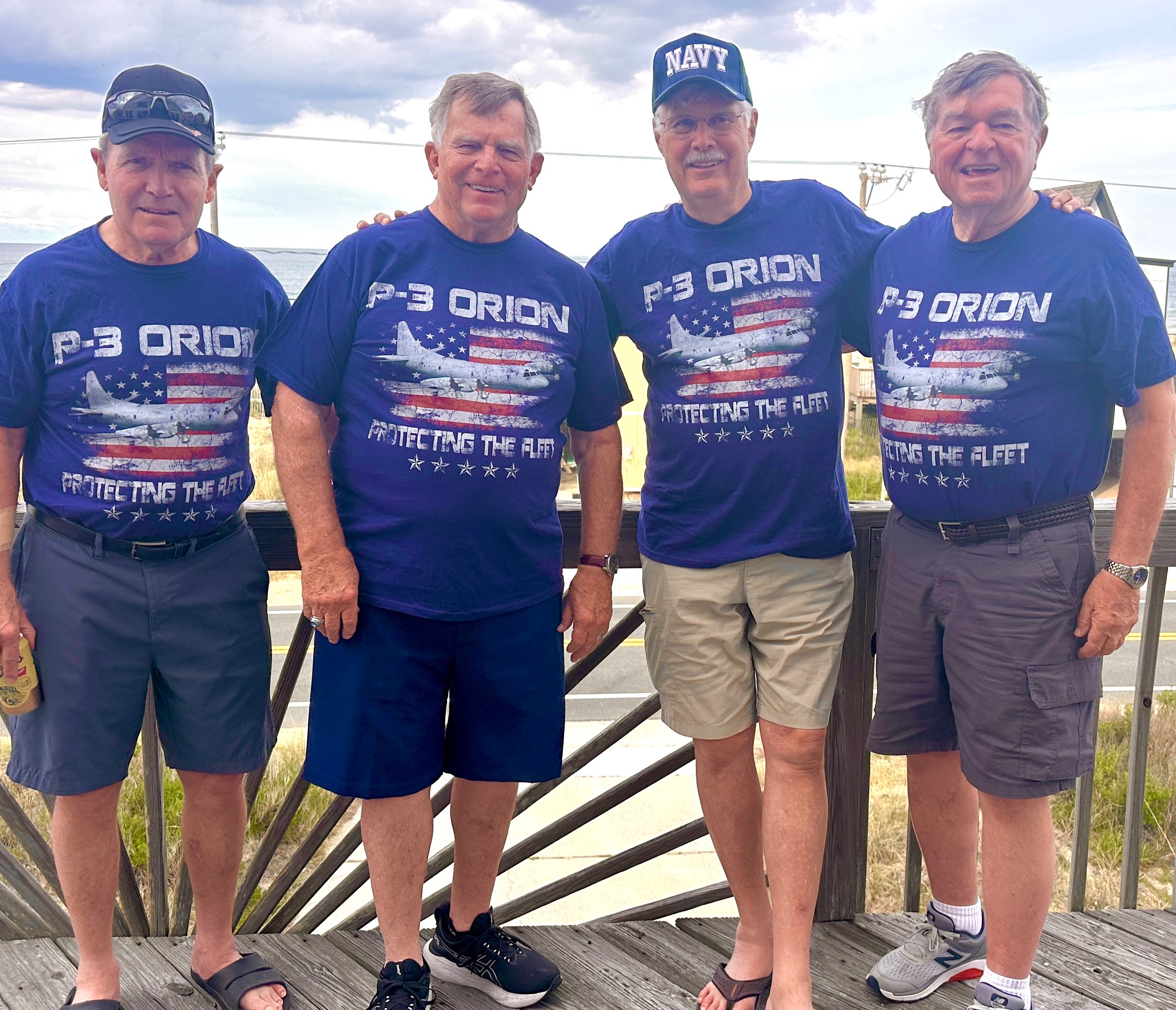
VP Squadrons • U.S. Navy • 2024
