Over 3,064,780 active members
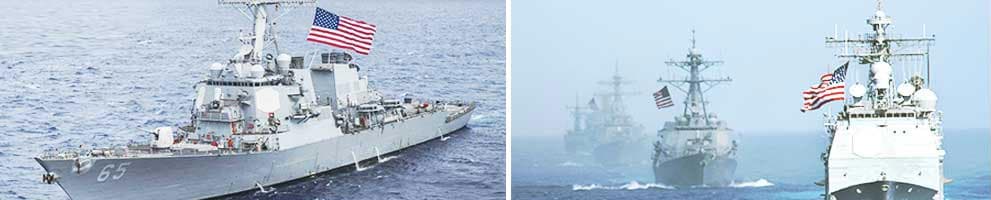
U.S. Navy•2 members
Relive and share the memories of your service-time with your brothers and sisters in arms today. VetFriends.com can help you reconnect.
Did you proudly serve in the USS Hornet (CV-12)?
Are you looking for someone who is or was in the USS Hornet (CV-12)?
Do you have USS Hornet (CV-12) photos you'd like to share?
Then join a community with your brothers and sisters of the USS Hornet (CV-12).
Branch
U.S. Navy
Members
2
USS Hornet (CV-12) was an Essex-class aircraft carrier commissioned by the United States Navy in November 1943, named to honor the previous Hornet (CV-8) lost at the Battle of Santa Cruz. Throughout World War II, she played a pivotal role in the Pacific Theater, participating in major operations such as the Battle of the Philippine Sea, the Battle of Leyte Gulf, and attacks on the Japanese home islands. Hornet's aircraft were crucial in sinking enemy ships and providing air support for amphibious landings. After the war, she supported Operation Magic Carpet, bringing American servicemen home, and later participated in the recovery of Apollo space missions before being decommissioned in 1970.
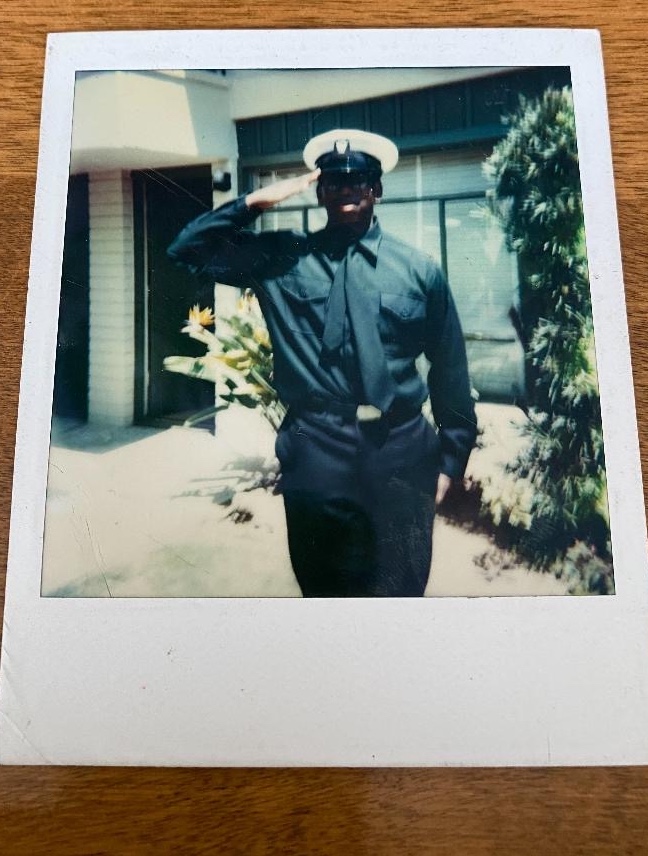
U.S. Navy • 1979
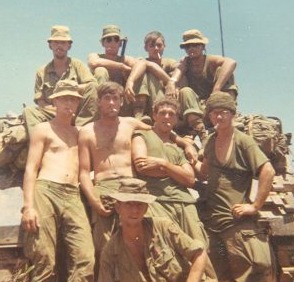
U.S. Navy
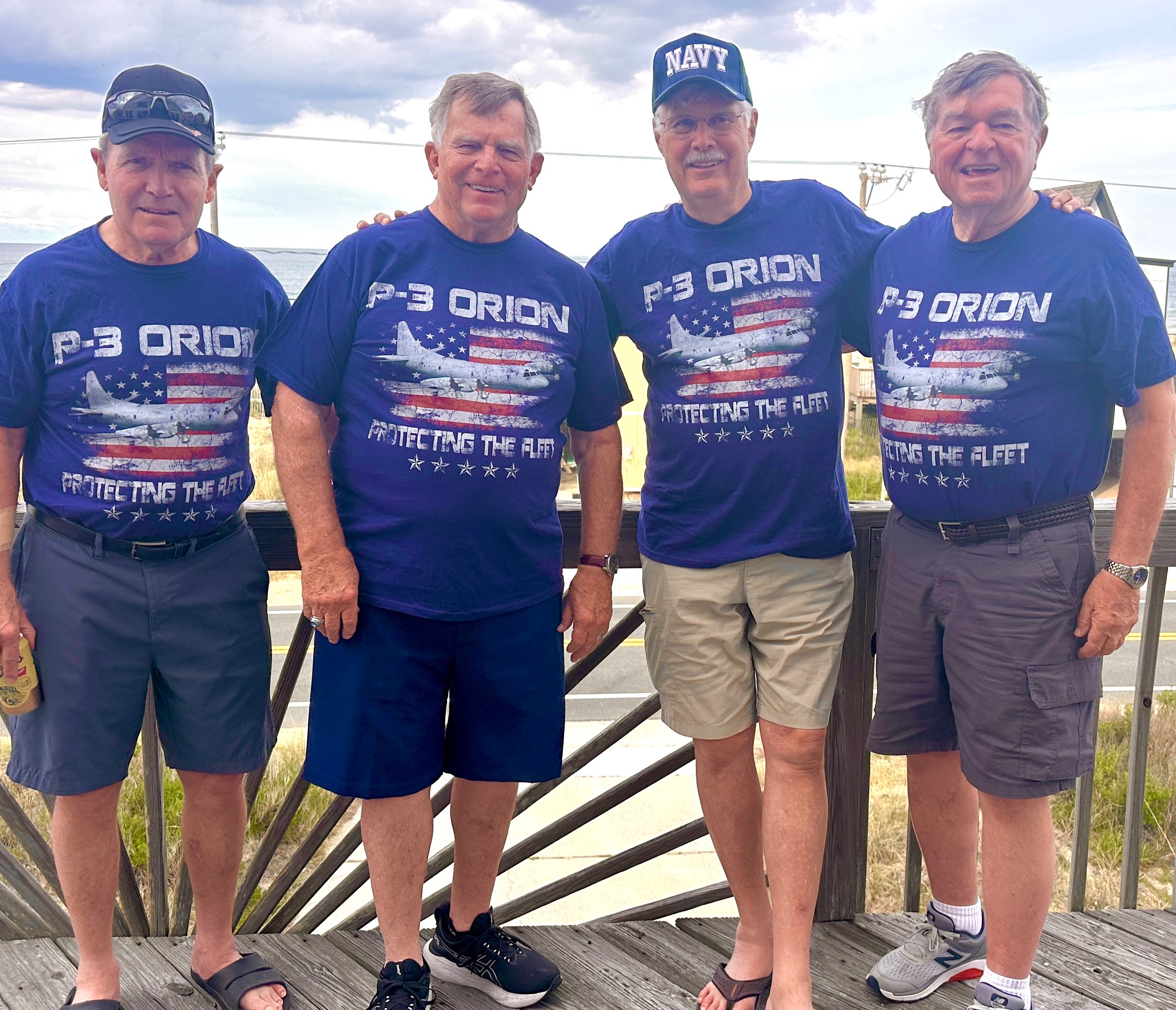
VP Squadrons • U.S. Navy • 2024
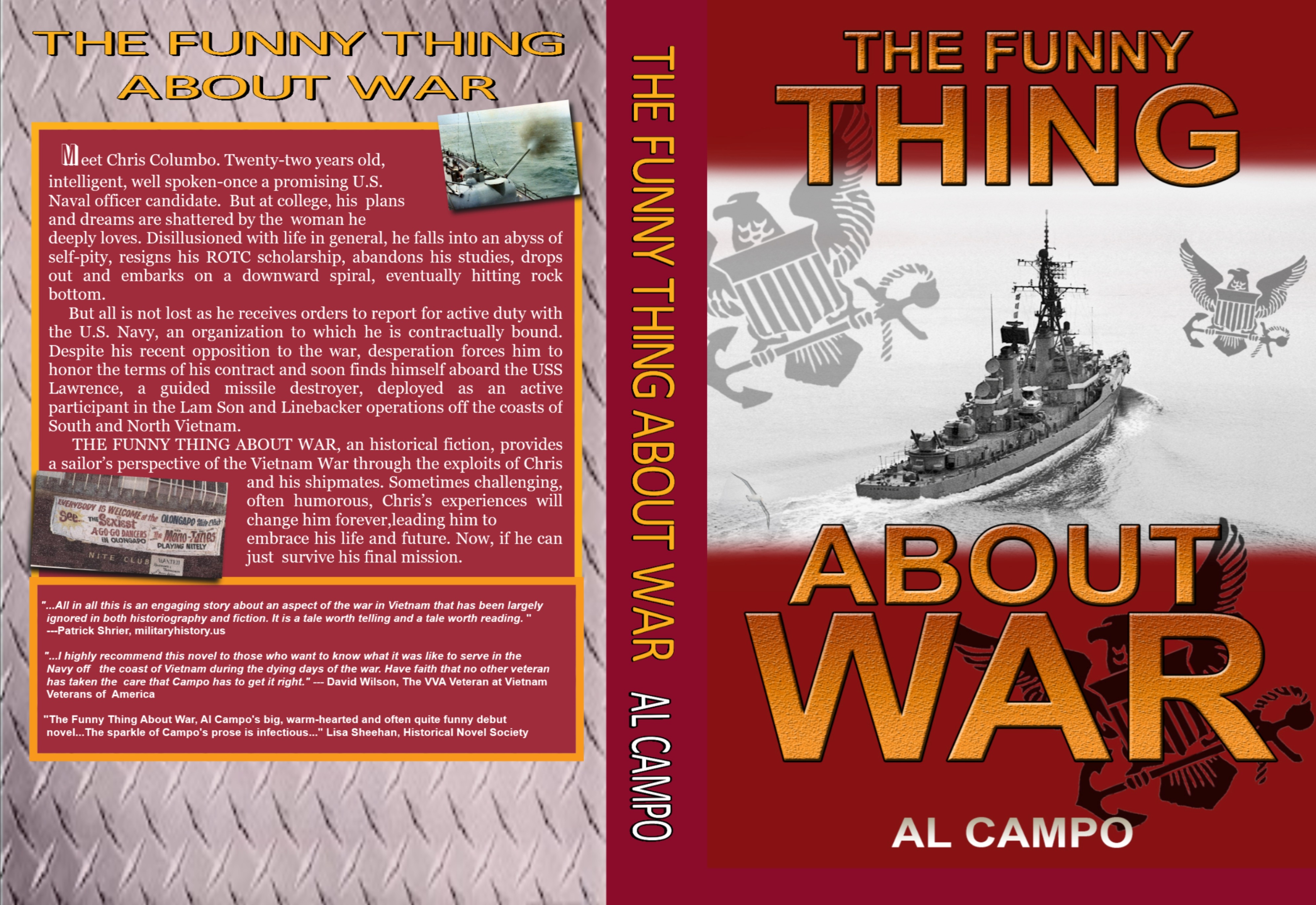
USS Lawrence DDG-4 • U.S. Navy • 1972
