
Opening branch overview
Building the branch home surface
Loading branch highlights, featured unit context, and gallery moments.
Overview
Members
Units
Building the branch home surface
Loading branch highlights, featured unit context, and gallery moments.
Building the branch units surface
Loading unit filters, rankings, and the branch unit grid.

17 members•1 unit
Relive and share the memories of your service-time with your brothers and sisters in arms today. VetFriends.com can help you reconnect.
Did you proudly serve in the USS Henry Clay (SSBN-625)?
Are you looking for someone who is or was in the USS Henry Clay (SSBN-625)?
Do you have USS Henry Clay (SSBN-625) photos you'd like to share?
Then join a community with your brothers and sisters of the USS Henry Clay (SSBN-625).
Branch
U.S. Navy
Members
17
USS **Henry Clay (SSBN-625)** was a Lafayette-class ballistic missile submarine commissioned by the United States Navy in 1964. Named after the American statesman Henry Clay, she played a crucial role in the U.S. nuclear deterrent force during the Cold War by conducting strategic deterrent patrols armed with Polaris and later Poseidon ballistic missiles. The submarine completed numerous deterrent patrols throughout the Atlantic, contributing to the nation's second-strike capability. After over two decades of service, USS Henry Clay was decommissioned in November 1990 and subsequently scrapped as part of the Navy's Nuclear-Powered Ship and Submarine Recycling Program.
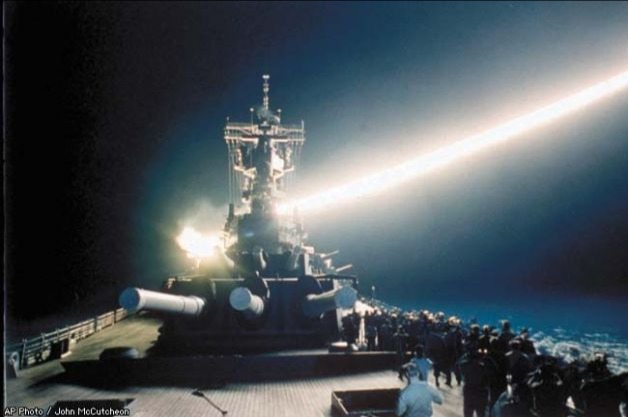
U.S. Navy • 1991
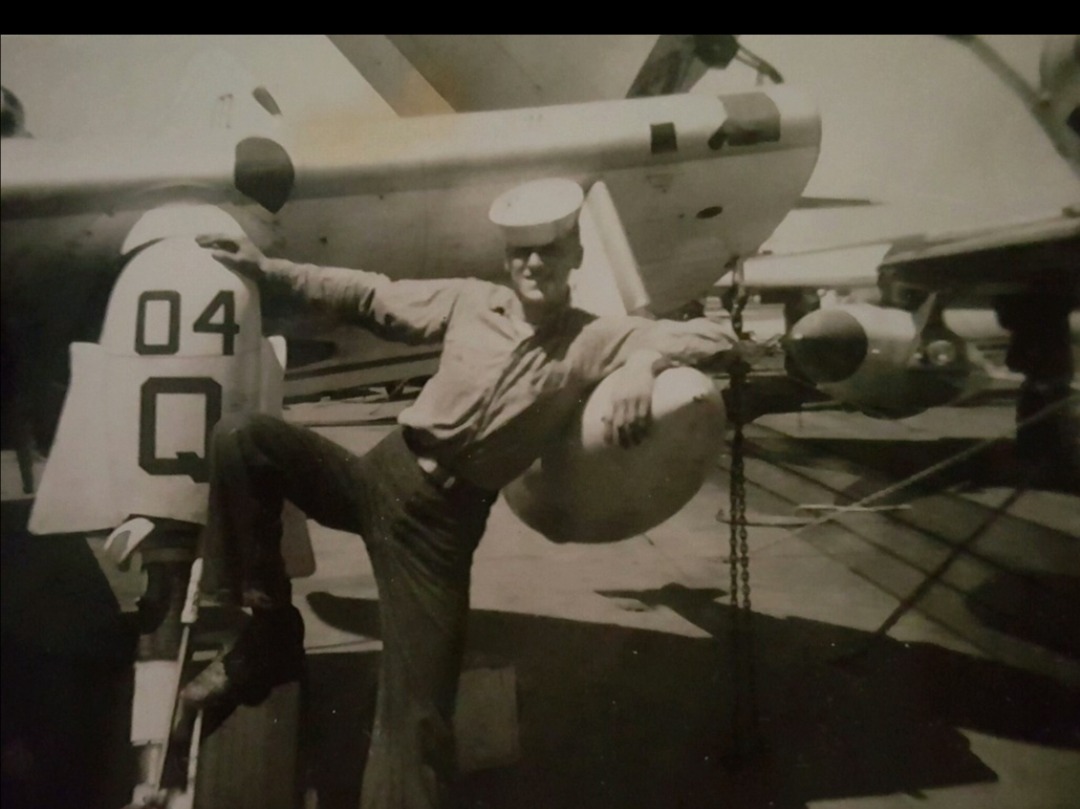
U.S. Navy
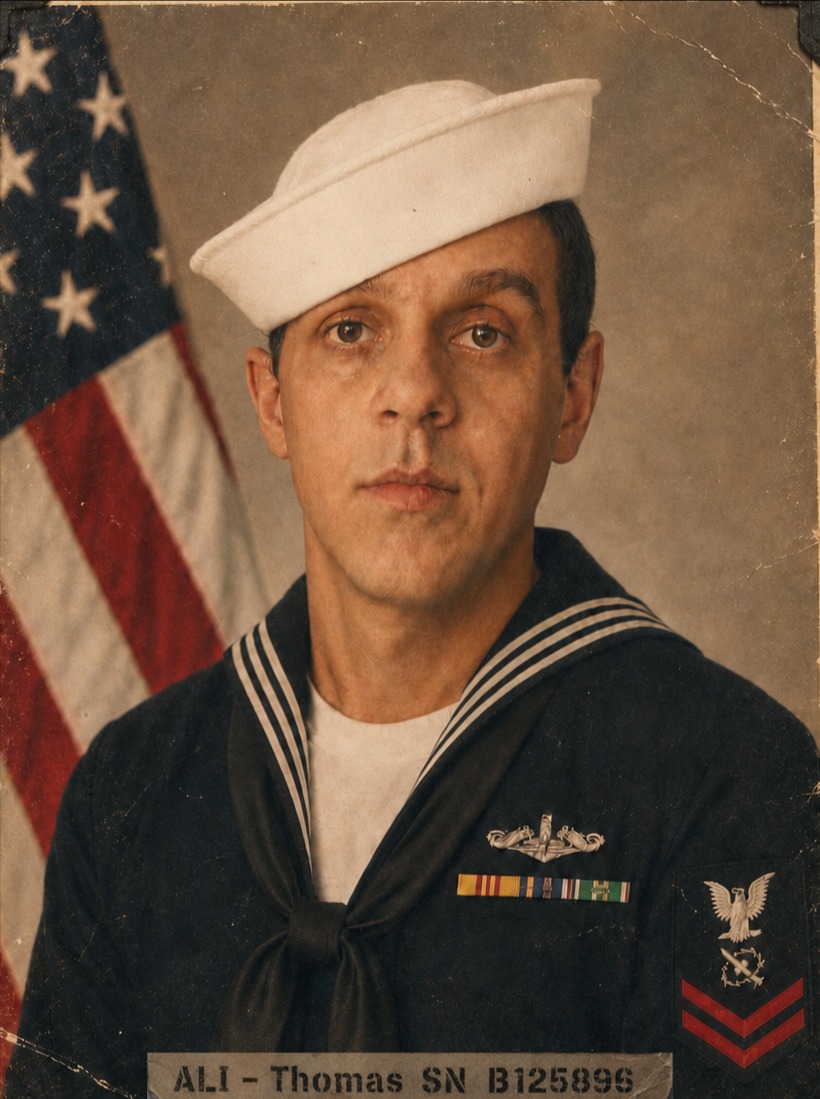
WEAPONS • U.S. Navy • 1968
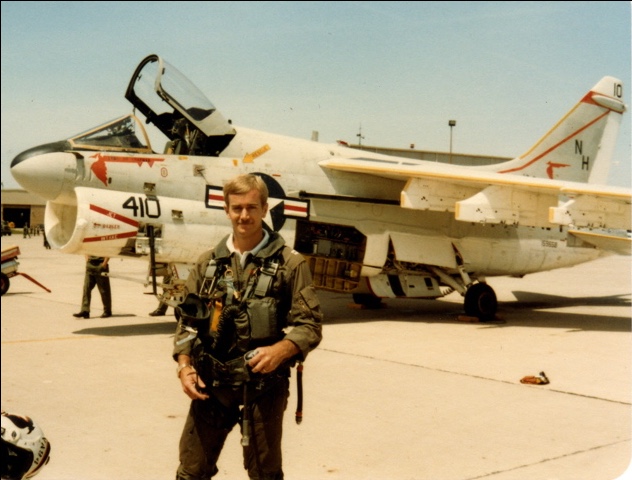
U.S. Navy