
Opening branch overview
Building the branch home surface
Loading branch highlights, featured unit context, and gallery moments.
Overview
Members
Units
Building the branch home surface
Loading branch highlights, featured unit context, and gallery moments.
Building the branch units surface
Loading unit filters, rankings, and the branch unit grid.

U.S. Navy•1 members
Relive and share the memories of your service-time with your brothers and sisters in arms today. VetFriends.com can help you reconnect.
Did you proudly serve in the USS Haverfield (DER-393)?
Are you looking for someone who is or was in the USS Haverfield (DER-393)?
Do you have USS Haverfield (DER-393) photos you'd like to share?
Then join a community with your brothers and sisters of the USS Haverfield (DER-393).
USS Haverfield (DER-393) was an Edsall-class destroyer escort commissioned by the United States Navy in 1943. Initially serving during World War II, Haverfield conducted convoy escort and antisubmarine operations in the Atlantic and Pacific theaters. After the war, she was decommissioned, but later recommissioned and converted to a radar picket ship during the Cold War, enhancing the nation's early warning defense system. Haverfield was decommissioned for the final time in 1968 and ultimately struck from the Naval Vessel Register, concluding a distinguished career in both wartime and peacetime service.
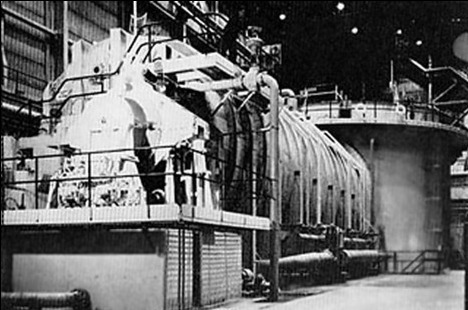
NPTU IDAHO • U.S. Navy • 1972
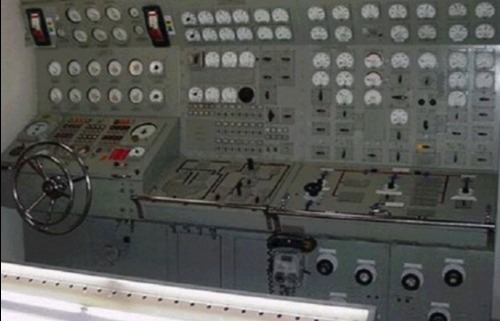
NPTU IDAHO • U.S. Navy • 1978
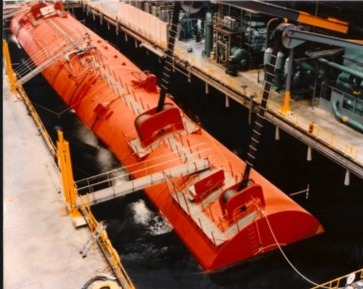
NPTU IDAHO • U.S. Navy • 1978
USS EDSON DD946 • U.S. Navy • 1973