
Opening branch overview
Building the branch home surface
Loading branch highlights, featured unit context, and gallery moments.
Overview
Members
Units
Building the branch home surface
Loading branch highlights, featured unit context, and gallery moments.
Building the branch units surface
Loading unit filters, rankings, and the branch unit grid.
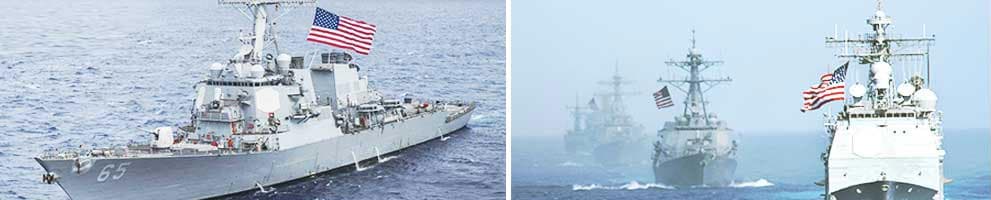
37 members•1 unit
Relive and share the memories of your service-time with your brothers and sisters in arms today. VetFriends.com can help you reconnect.
Did you proudly serve in the USS HARPERS FERRY (LSD-49)?
Are you looking for someone who is or was in the USS HARPERS FERRY (LSD-49)?
Do you have USS HARPERS FERRY (LSD-49) photos you'd like to share?
Then join a community with your brothers and sisters of the USS HARPERS FERRY (LSD-49).
Branch
U.S. Navy
Members
37
USS Harpers Ferry (LSD-49) is a Harpers Ferry-class dock landing ship commissioned into the United States Navy on January 7, 1995. Designed to transport and launch amphibious craft, vehicles, and Marines, she has participated in numerous operations, humanitarian missions, and joint exercises in the Pacific and Middle East regions. Notably, Harpers Ferry provided disaster relief in the aftermath of the 2004 Indian Ocean tsunami and has supported Operations Enduring Freedom and Iraqi Freedom. The ship continues to serve as a vital component of U.S. Navy amphibious readiness, often deployed with Expeditionary Strike Groups.
U.S. Navy • 1987
U.S. Navy • 1979
U.S. Navy
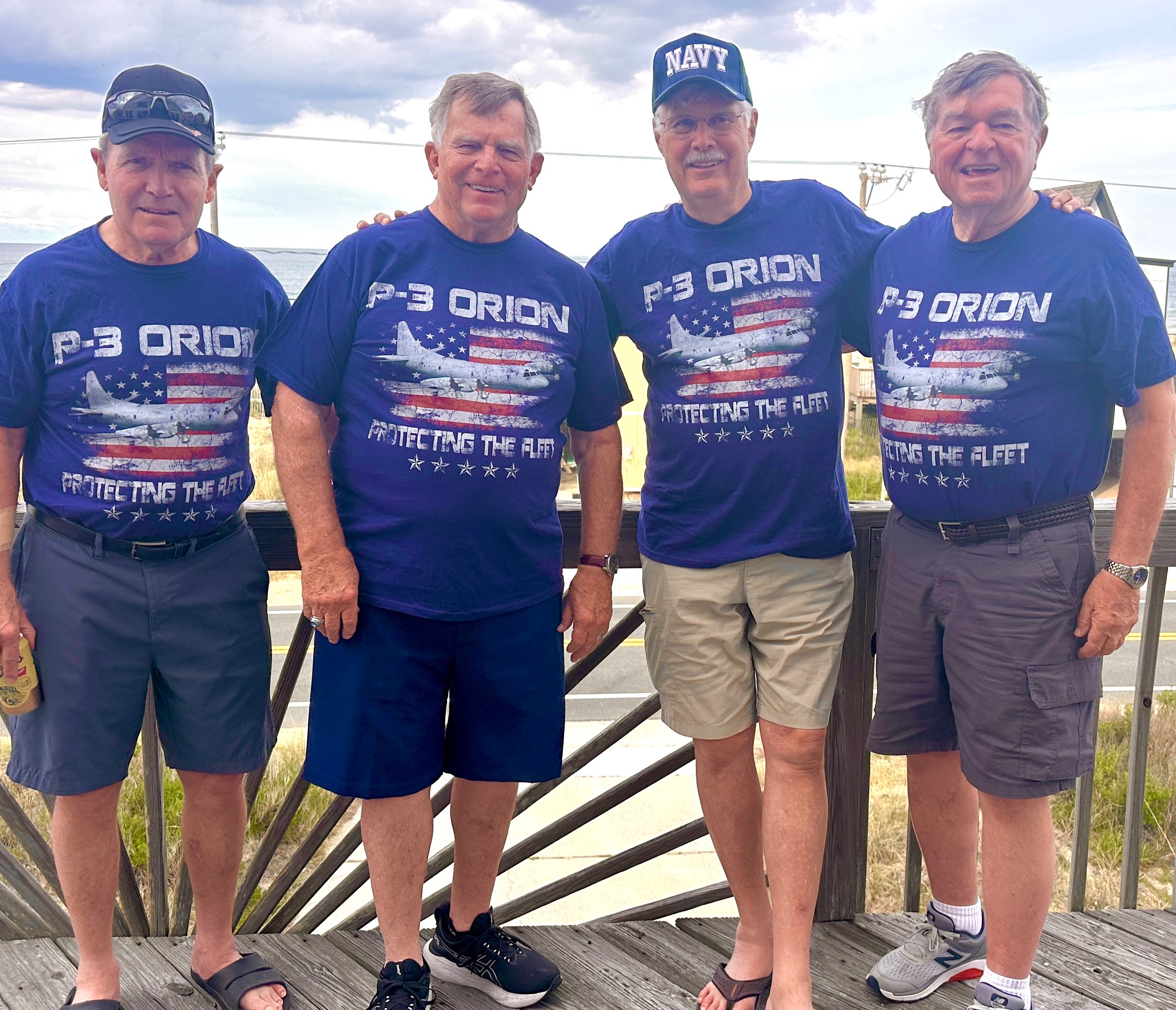
VP Squadrons • U.S. Navy • 2024