
Opening branch overview
Building the branch home surface
Loading branch highlights, featured unit context, and gallery moments.
Overview
Members
Units
Building the branch home surface
Loading branch highlights, featured unit context, and gallery moments.
Building the branch units surface
Loading unit filters, rankings, and the branch unit grid.

12 members•1 unit
Relive and share the memories of your service-time with your brothers and sisters in arms today. VetFriends.com can help you reconnect.
Did you proudly serve in the USS Glover (AGDE-1)?
Are you looking for someone who is or was in the USS Glover (AGDE-1)?
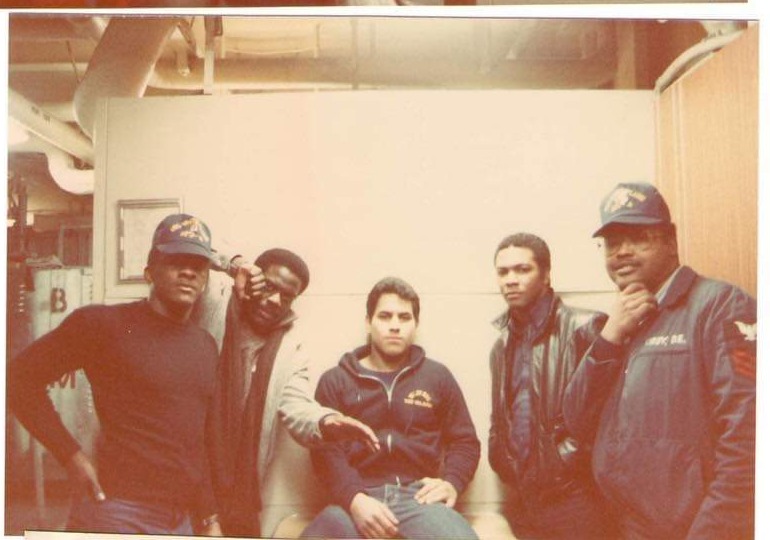
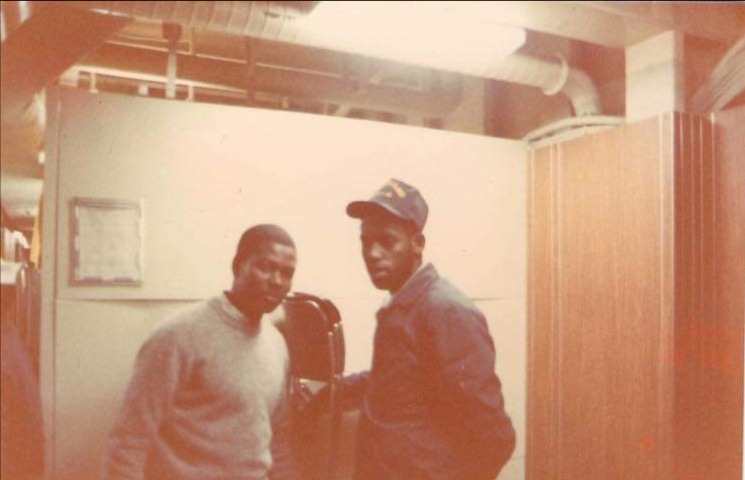
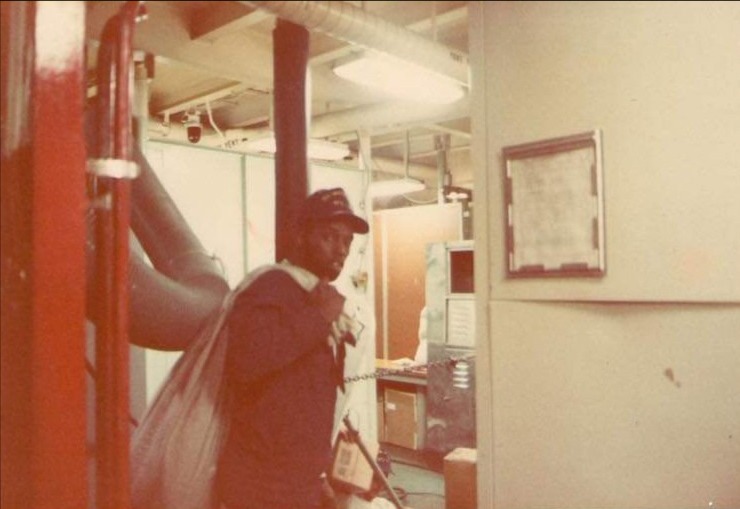
Do you have USS Glover (AGDE-1) photos you'd like to share?
Then join a community with your brothers and sisters of the USS Glover (AGDE-1).
Branch
U.S. Navy
Members
12
USS Glover (AGDE-1), later reclassified as FF-1098, was a unique experimental destroyer escort commissioned by the United States Navy in 1965. Named after Rear Admiral John Glover, the ship was designed to test and evaluate advanced anti-submarine warfare (ASW) systems and tactics during the height of the Cold War. Throughout her service, USS Glover operated primarily with the Atlantic Fleet, participating in numerous trials and exercises to improve the Navy’s ASW capabilities. She was decommissioned in 1990, having contributed significantly to the development of modern naval technology and warfare techniques.

U.S. Navy
U.S. Navy
U.S. Navy
U.S. Navy