
Opening branch overview
Building the branch home surface
Loading branch highlights, featured unit context, and gallery moments.
Overview
Members
Units
Building the branch home surface
Loading branch highlights, featured unit context, and gallery moments.
Building the branch units surface
Loading unit filters, rankings, and the branch unit grid.

4 members•1 unit
Relive and share the memories of your service-time with your brothers and sisters in arms today. VetFriends.com can help you reconnect.
Did you proudly serve in the USS Fred T. Berry DD-858?
Are you looking for someone who is or was in the USS Fred T. Berry DD-858?
Do you have USS Fred T. Berry DD-858 photos you'd like to share?
Then join a community with your brothers and sisters of the USS Fred T. Berry DD-858.
Branch
U.S. Navy
Members
4
USS Fred T. Berry (DD-858) was a Gearing-class destroyer commissioned by the United States Navy in May 1945, near the end of World War II. Initially serving in the Pacific, she participated in post-war occupation duties in Japan and China. During the Korean War, Fred T. Berry provided naval gunfire support and participated in blockade and escort missions. After years of service in both the Atlantic and Pacific fleets, she was decommissioned in 1970 and later sunk as part of an artificial reef project.
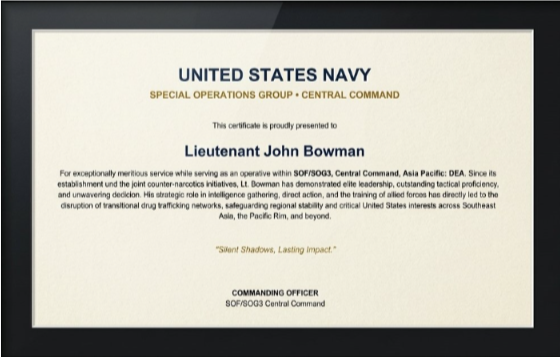
U.S. Navy
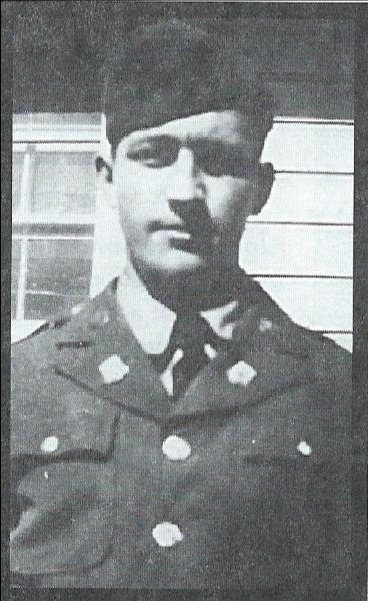
U.S. Navy
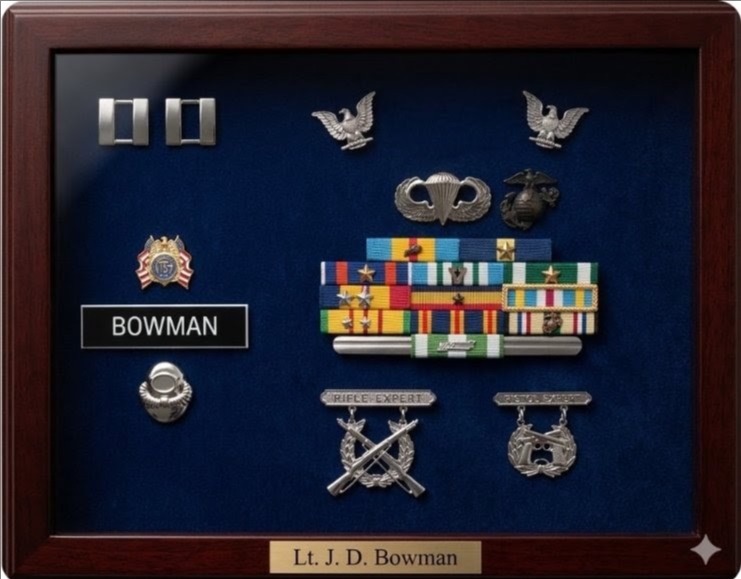
U.S. Navy
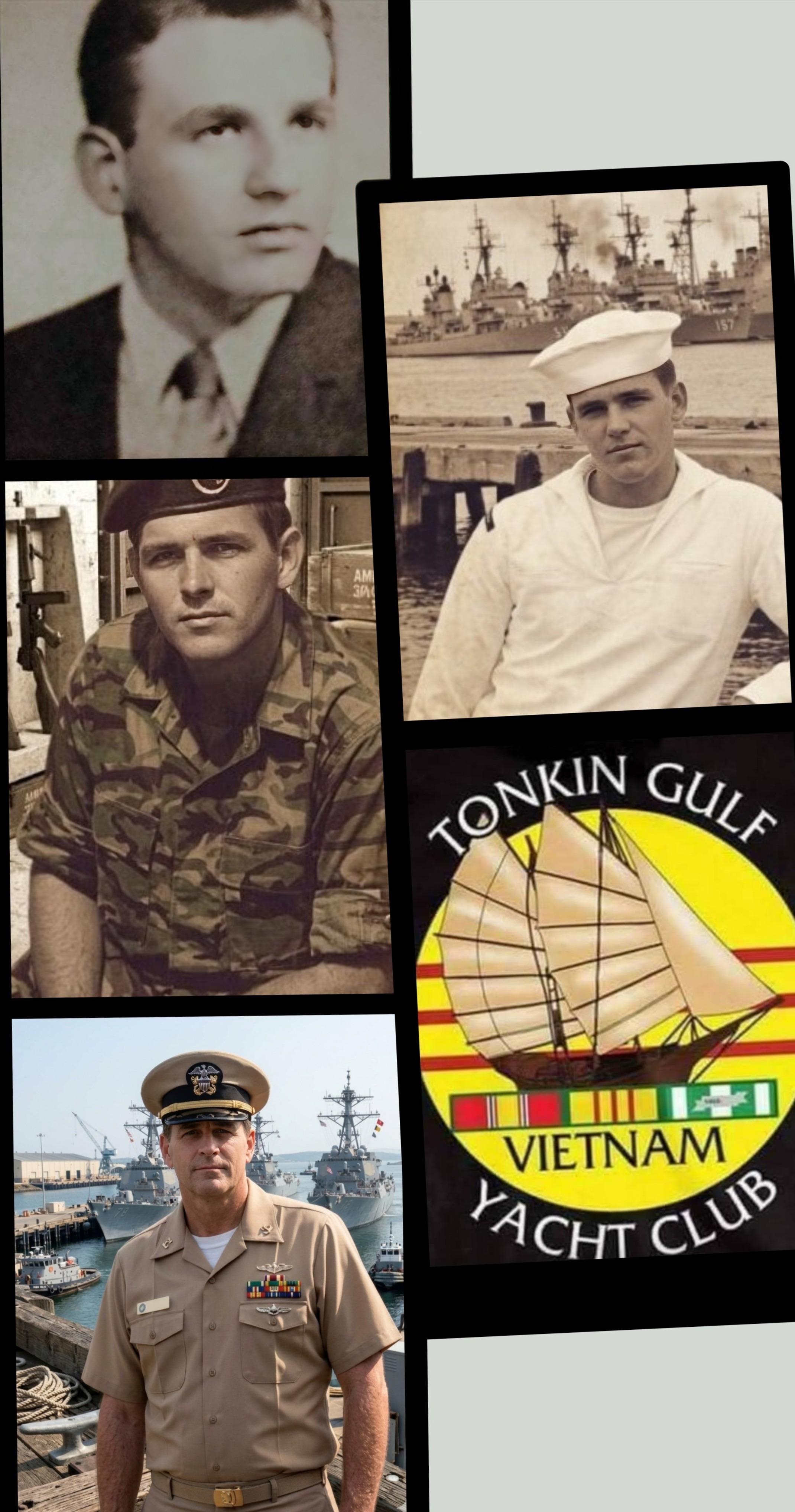
U.S. Navy