
Opening branch overview
Building the branch home surface
Loading branch highlights, featured unit context, and gallery moments.
Overview
Members
Units
Building the branch home surface
Loading branch highlights, featured unit context, and gallery moments.
Building the branch units surface
Loading unit filters, rankings, and the branch unit grid.

6 members•1 unit
Relive and share the memories of your service-time with your brothers and sisters in arms today. VetFriends.com can help you reconnect.
Did you proudly serve in the USS Des Moines (CA-134)?
Are you looking for someone who is or was in the USS Des Moines (CA-134)?
Do you have USS Des Moines (CA-134) photos you'd like to share?
Then join a community with your brothers and sisters of the USS Des Moines (CA-134).
Branch
U.S. Navy
Members
6
USS Des Moines (CA-134) was a United States Navy heavy cruiser and the lead ship of her class, commissioned in 1948. As one of the first cruisers equipped with automatic 8-inch guns, she represented a significant advancement in naval firepower during the post-World War II era. Although she saw no combat in World War II, Des Moines served extensively in the Atlantic and Mediterranean, including as flagship for the 6th Fleet, supporting American interests during the early Cold War. Decommissioned in 1961, she remained in reserve until being scrapped in the 2000s.

U.S. Navy
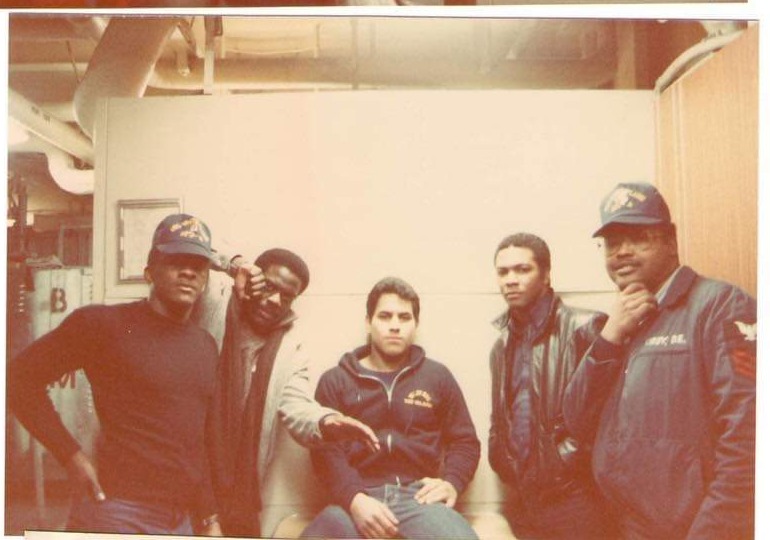
U.S. Navy
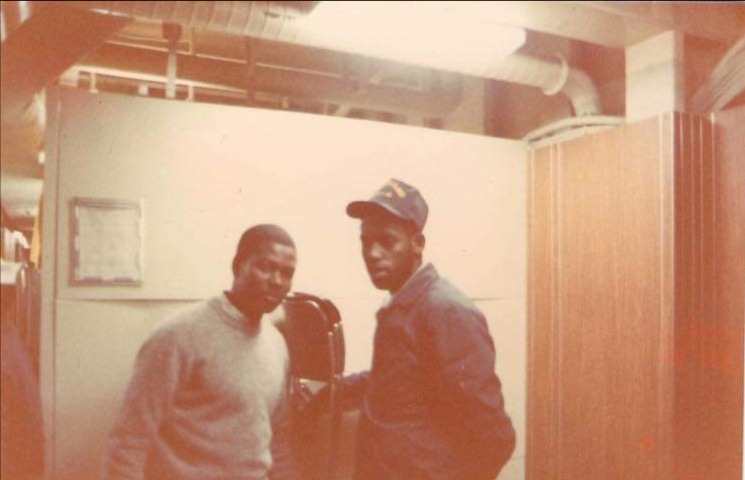
U.S. Navy
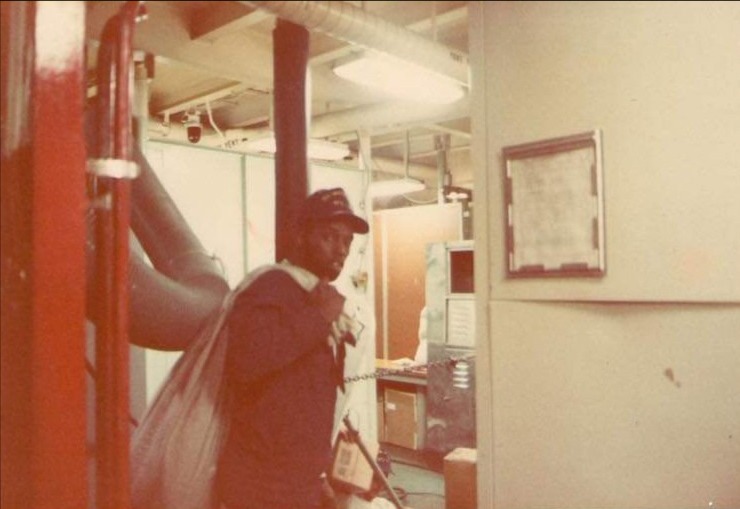
U.S. Navy