
Opening branch overview
Building the branch home surface
Loading branch highlights, featured unit context, and gallery moments.
Overview
Members
Units
Building the branch home surface
Loading branch highlights, featured unit context, and gallery moments.
Building the branch units surface
Loading unit filters, rankings, and the branch unit grid.

U.S. Navy•70 members
Relive and share the memories of your service-time with your brothers and sisters in arms today. VetFriends.com can help you reconnect.
Did you proudly serve in the USS CANOPUS?
Are you looking for someone who is or was in the USS CANOPUS?
Do you have USS CANOPUS photos you'd like to share?
Then join a community with your brothers and sisters of the USS CANOPUS.
USS Canopus refers to two United States Navy ships. The first USS Canopus (AS-9), commissioned in 1922, served as a submarine tender in the Asiatic Fleet and played a vital support role during the early stages of World War II in the Pacific, particularly in the defense of the Philippines before being scuttled in 1942 to prevent capture. The second USS Canopus (AS-34), commissioned in 1965, was a Simon Lake-class submarine tender that provided maintenance and logistical support to ballistic missile submarines during the Cold War, mainly operating out of Rota, Spain, and later King's Bay, Georgia. Both ships were crucial in extending the operational reach and effectiveness of the U.S. Navy's submarine forces during their respective service periods. The legacy of the USS Canopus is marked by its steadfast support to the silent service across two major eras of naval warfare.
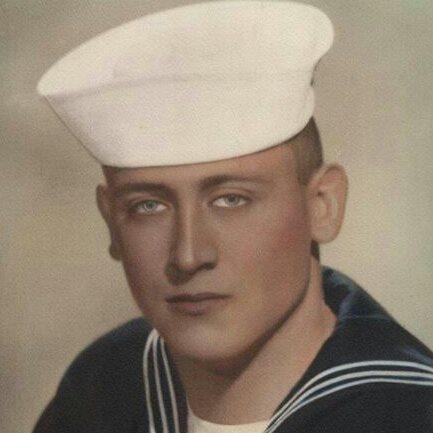
U.S. Navy
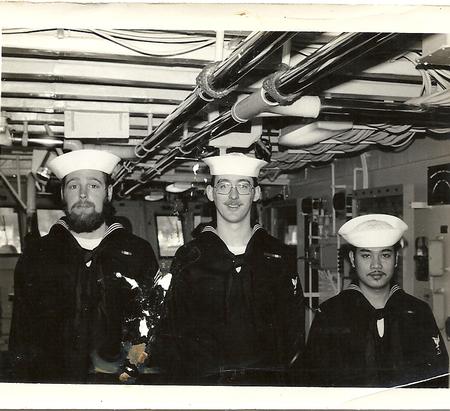
USS Canopus AS-34 • U.S. Navy • 1970