
Opening branch overview
Building the branch home surface
Loading branch highlights, featured unit context, and gallery moments.
Overview
Members
Units
Building the branch home surface
Loading branch highlights, featured unit context, and gallery moments.
Building the branch units surface
Loading unit filters, rankings, and the branch unit grid.

U.S. Navy•59 members
Relive and share the memories of your service-time with your brothers and sisters in arms today. VetFriends.com can help you reconnect.
Did you proudly serve in the USS Acadia (AD-42)?
Are you looking for someone who is or was in the USS Acadia (AD-42)?
Do you have USS Acadia (AD-42) photos you'd like to share?
Then join a community with your brothers and sisters of the USS Acadia (AD-42).
USS Acadia (AD-42) was a Yellowstone-class destroyer tender commissioned by the United States Navy in 1981. Designed to provide maintenance and logistical support to destroyers and other surface ships, Acadia played a crucial role during the Gulf War, deploying to the Persian Gulf as part of Operation Desert Shield and Operation Desert Storm. The ship became notable as the first U.S. Navy combat vessel to deploy with a mixed-gender crew during wartime. After over a decade of service, USS Acadia was decommissioned in 1994 and later sold for scrap.
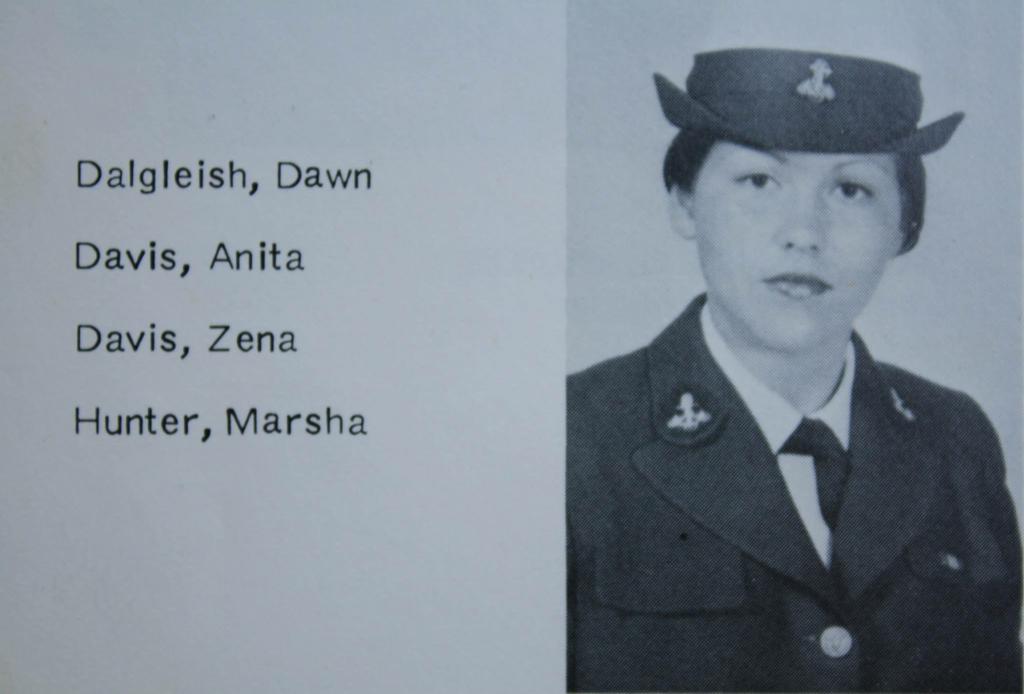
U.S. Navy
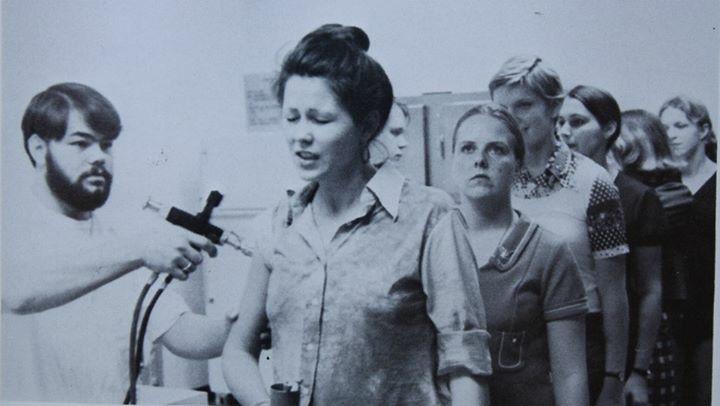
U.S. Navy
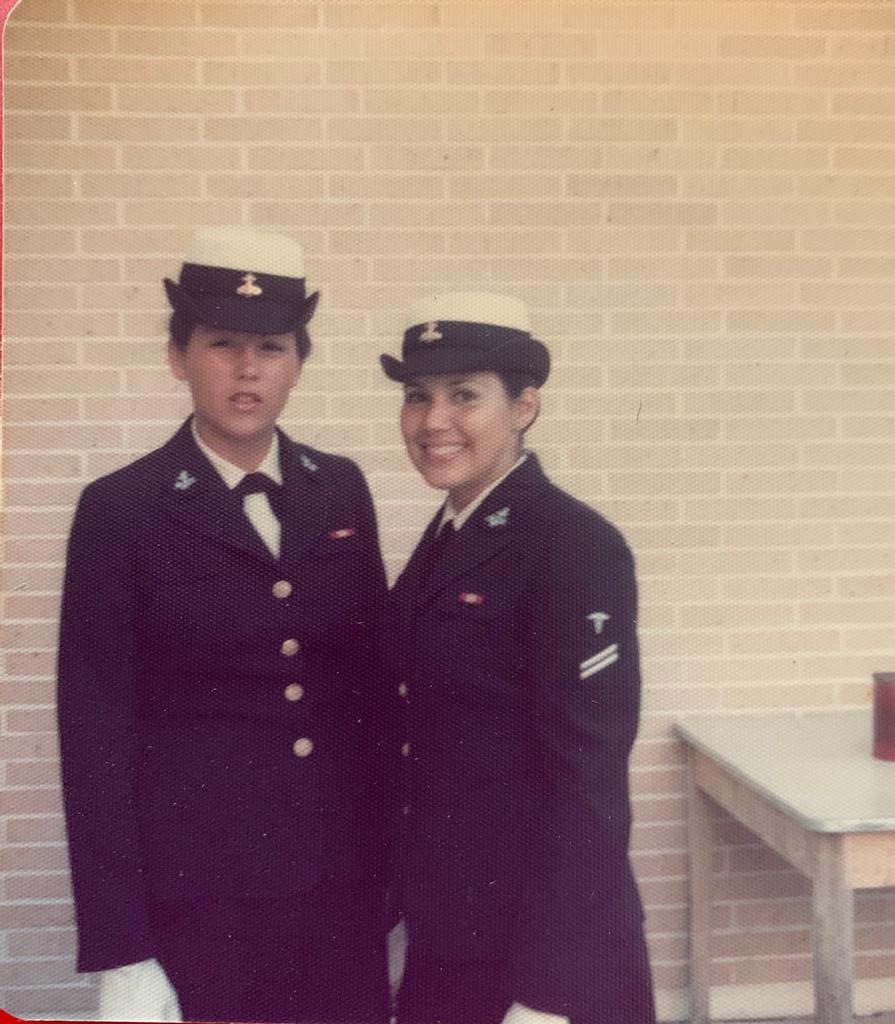
U.S. Navy

U.S. Navy