Opening branch overview
Building the branch home surface
Loading branch highlights, featured unit context, and gallery moments.
Overview
Members
Units
Building the branch home surface
Loading branch highlights, featured unit context, and gallery moments.
Building the branch units surface
Loading unit filters, rankings, and the branch unit grid.

8 members•1 unit
Relive and share the memories of your service-time with your brothers and sisters in arms today. VetFriends.com can help you reconnect.
Did you proudly serve in the USNS Harkness OCEANOGRAPHIC UNIT 5?
Are you looking for someone who is or was in the USNS Harkness OCEANOGRAPHIC UNIT 5?
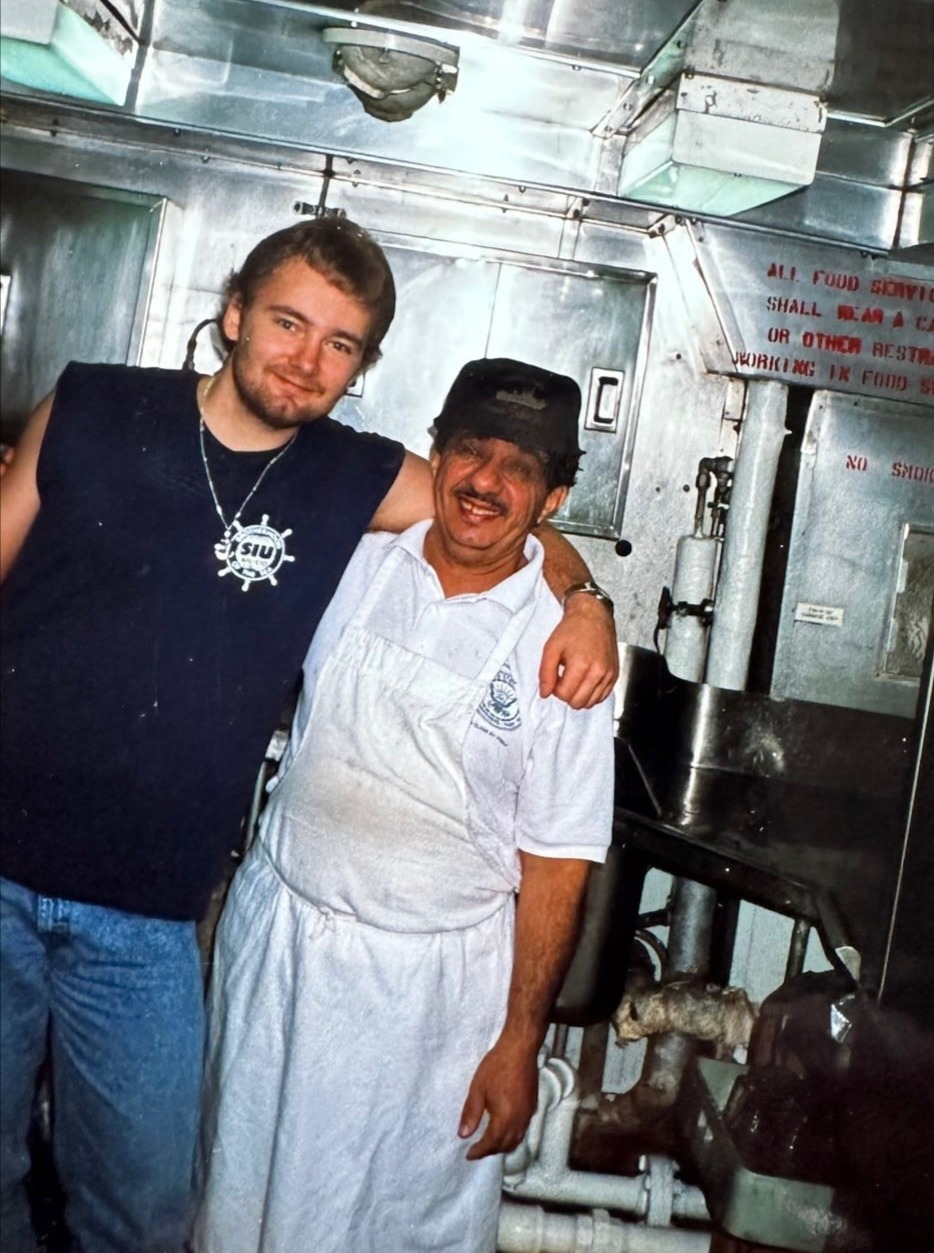
Do you have USNS Harkness OCEANOGRAPHIC UNIT 5 photos you'd like to share?
Then join a community with your brothers and sisters of the USNS Harkness OCEANOGRAPHIC UNIT 5.
Branch
U.S. Navy
Members
8
USNS Harkness (T-AGS-32) was an oceanographic survey ship of the United States Navy, originally launched in 1967. Assigned to Oceanographic Unit 5, the vessel conducted hydrographic and oceanographic surveys, playing a crucial role in mapping the world’s oceans during the Cold War era. The data collected by Harkness supported naval operations, submarine navigation, and scientific research. Throughout its service, USNS Harkness exemplified the Navy’s commitment to technological advancement and maritime domain awareness before being decommissioned in the mid-1990s.