
Opening branch overview
Building the branch home surface
Loading branch highlights, featured unit context, and gallery moments.
Overview
Members
Units
Building the branch home surface
Loading branch highlights, featured unit context, and gallery moments.
Building the branch units surface
Loading unit filters, rankings, and the branch unit grid.

U.S. Navy•3 members
Relive and share the memories of your service-time with your brothers and sisters in arms today. VetFriends.com can help you reconnect.
Did you proudly serve in the USNS Chauvenet Oceanographic Unit 4?
Are you looking for someone who is or was in the USNS Chauvenet Oceanographic Unit 4?
Do you have USNS Chauvenet Oceanographic Unit 4 photos you'd like to share?
Then join a community with your brothers and sisters of the USNS Chauvenet Oceanographic Unit 4.
The USNS Chauvenet Oceanographic Unit 4 was a specialized detachment associated with the USNS Chauvenet (T-AGS-29), a hydrographic survey ship operated by the United States Navy. Activated during the 1970s and 1980s, Oceanographic Unit 4 was responsible for conducting detailed oceanographic and hydrographic surveys in support of naval operations and strategic planning. The unit’s skilled personnel utilized advanced sonar and mapping equipment to chart sea floors, gather oceanographic data, and support submarine navigation. Their work contributed to safer naval passage and enhanced the Navy’s understanding of undersea environments during the Cold War era.
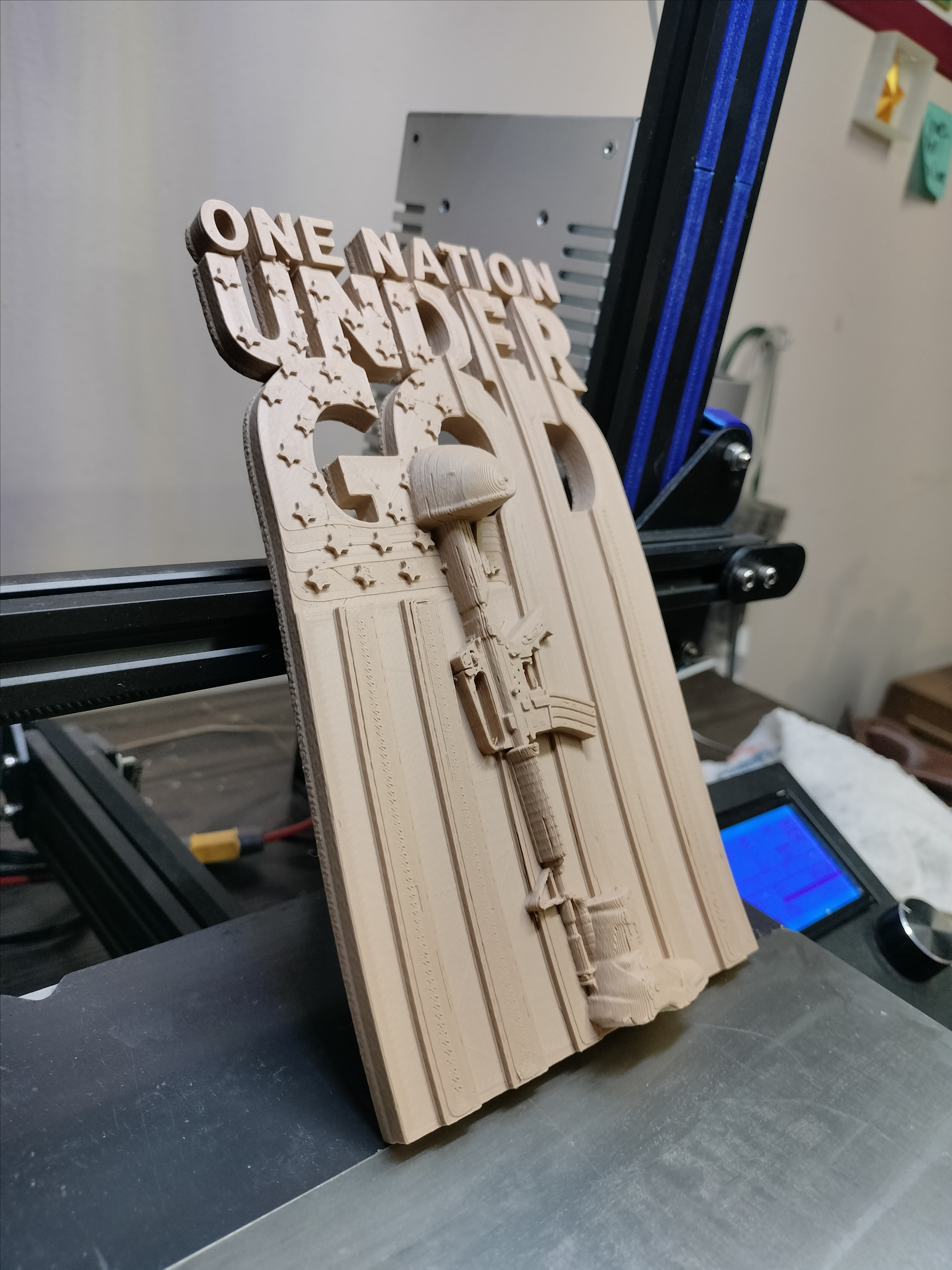
Brownwater Navy Vietnam • U.S. Navy • 2023
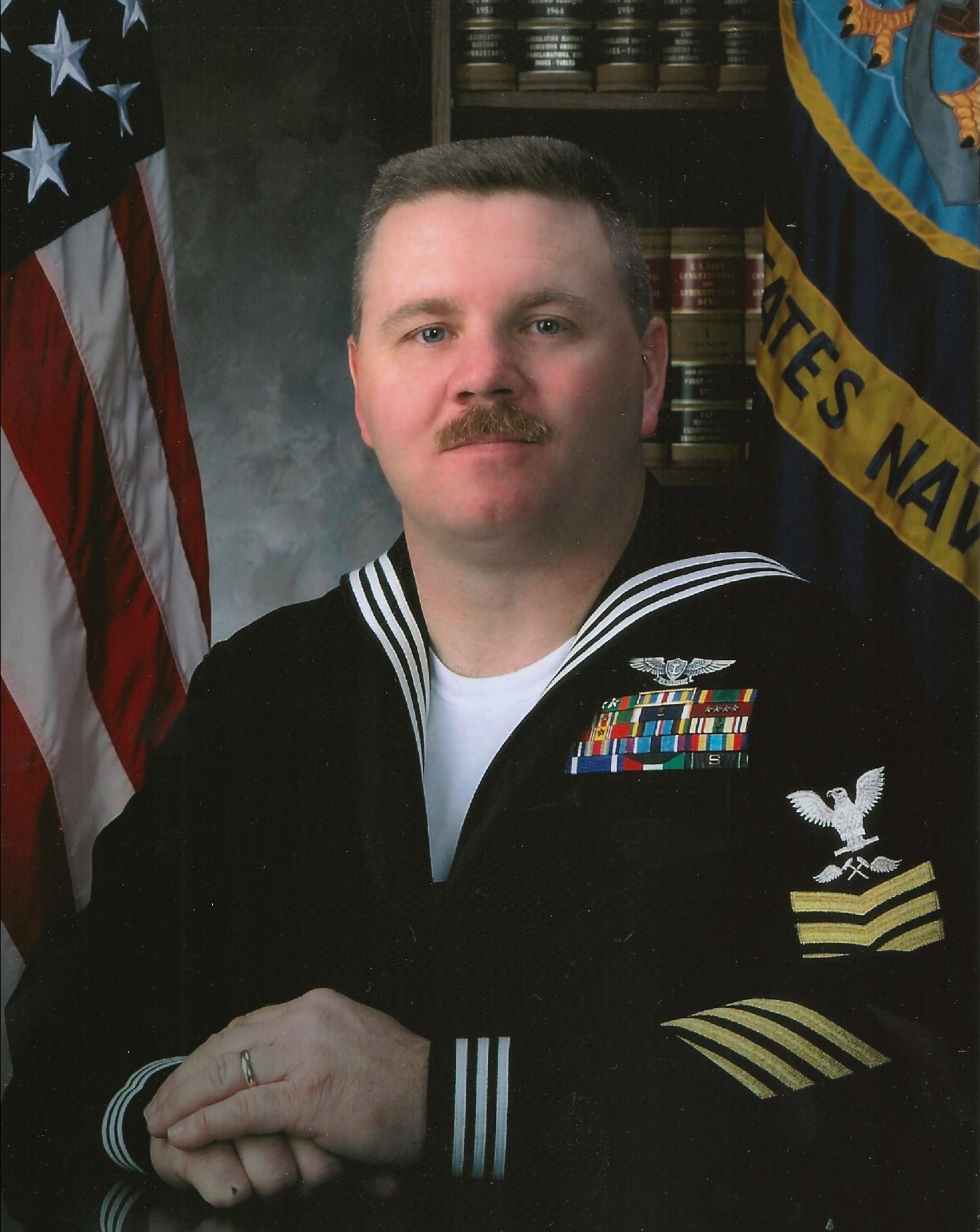
AIMD CORPUS CHRISTI • U.S. Navy • 2001
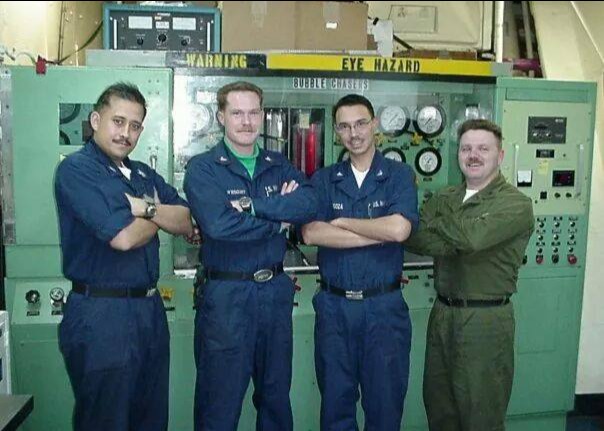
U.S. Navy
U.S. Navy