
Opening branch overview
Building the branch home surface
Loading branch highlights, featured unit context, and gallery moments.
Overview
Members
Units
Building the branch home surface
Loading branch highlights, featured unit context, and gallery moments.
Building the branch units surface
Loading unit filters, rankings, and the branch unit grid.
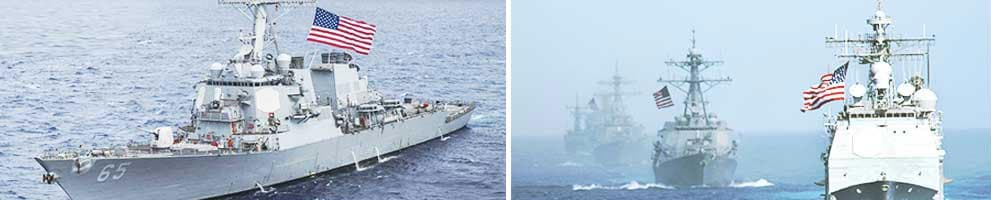
37 members•1 unit
Relive and share the memories of your service-time with your brothers and sisters in arms today. VetFriends.com can help you reconnect.
Did you proudly serve in the usnavcomsta sidi yahia,morocco?
Are you looking for someone who is or was in the usnavcomsta sidi yahia,morocco?
Do you have usnavcomsta sidi yahia,morocco photos you'd like to share?
Then join a community with your brothers and sisters of the usnavcomsta sidi yahia,morocco.
Branch
U.S. Navy
Members
37
U.S. Naval Communications Station Sidi Yahia (USNAVCOMSTA Sidi Yahia), located near Sidi Yahia el Gharb in Morocco, was established in the early 1950s as part of a network of American military bases during the Cold War. The station served as a key communications and relay site for the U.S. Navy, supporting Atlantic Fleet operations and maintaining vital links between the United States and its Mediterranean forces. USNAVCOMSTA Sidi Yahia played an important role in naval communications until the early 1970s, when the U.S. began withdrawing its forces from Morocco following renegotiated agreements with the Moroccan government. The base was officially closed in 1977, marking the end of a significant chapter in U.S.–Moroccan military cooperation.

U.S. Navy
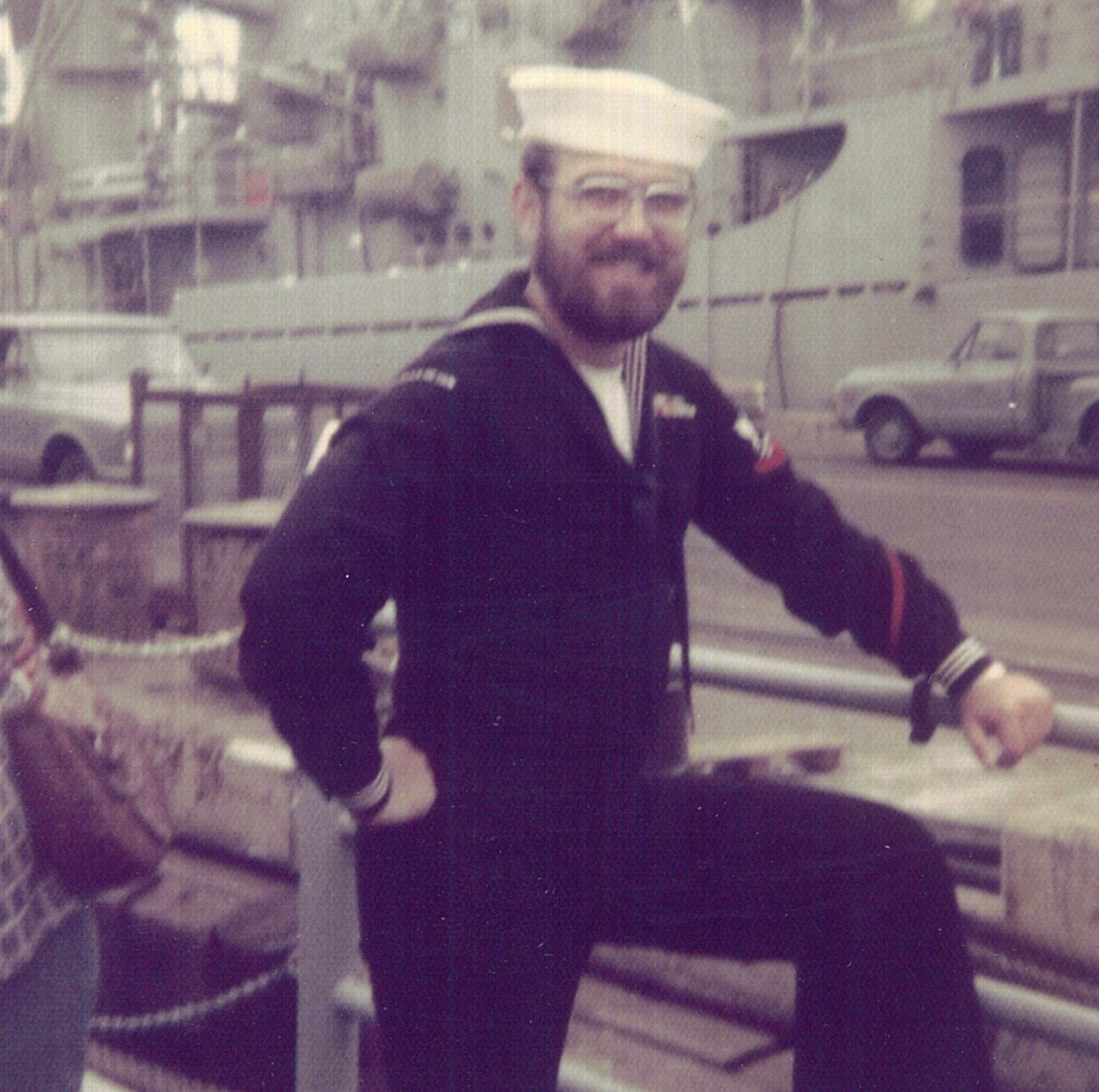
U.S. Navy
U.S. Navy • 2015
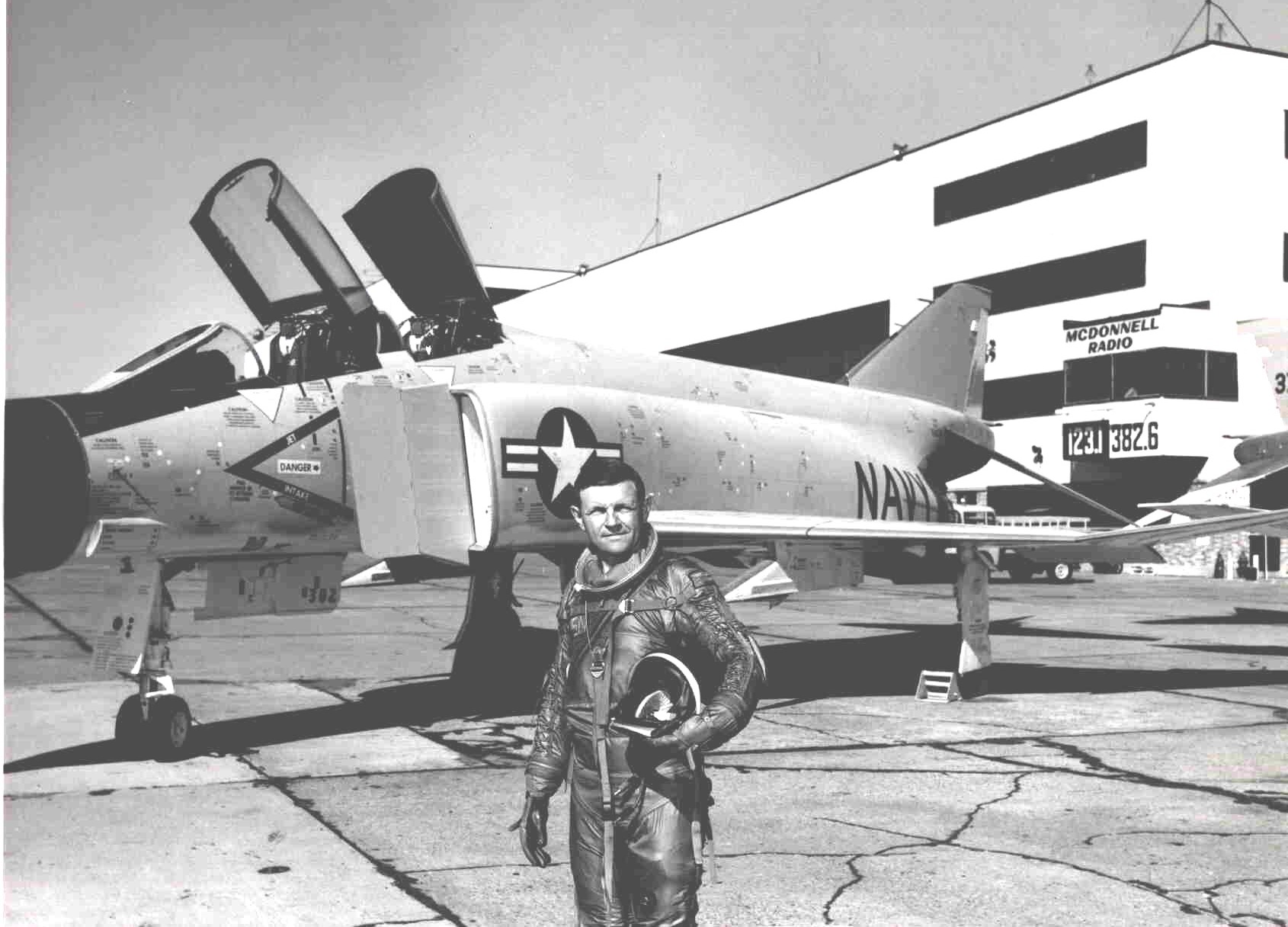
U.S. Navy • 1962