
Opening branch overview
Building the branch home surface
Loading branch highlights, featured unit context, and gallery moments.
Overview
Members
Units
Building the branch home surface
Loading branch highlights, featured unit context, and gallery moments.
Building the branch units surface
Loading unit filters, rankings, and the branch unit grid.

3 members•1 unit
Relive and share the memories of your service-time with your brothers and sisters in arms today. VetFriends.com can help you reconnect.
Did you proudly serve in the US Navy Radiological Defense Lab?
Are you looking for someone who is or was in the US Navy Radiological Defense Lab?
Do you have US Navy Radiological Defense Lab photos you'd like to share?
Then join a community with your brothers and sisters of the US Navy Radiological Defense Lab.
Branch
U.S. Navy
Members
3
The US Navy Radiological Defense Laboratory (NRDL) was established in 1946 at the Hunters Point Naval Shipyard in San Francisco, California. Its primary mission was to study the effects of nuclear weapons and to develop methods for radiological decontamination of naval vessels and equipment. The NRDL played a significant role in analyzing radioactive contamination from atomic tests and in advancing radiological safety procedures for the fleet. The laboratory was deactivated in 1969 as its functions were absorbed by other military organizations and due to changing defense priorities.
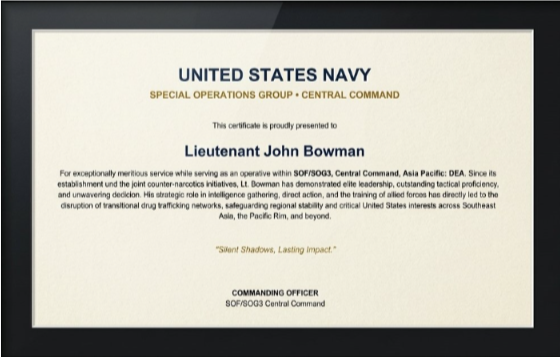
U.S. Navy
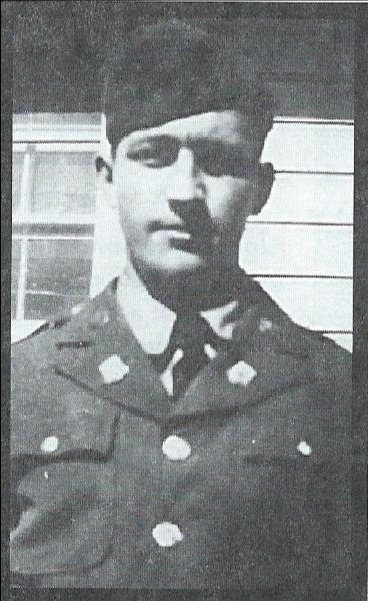
U.S. Navy
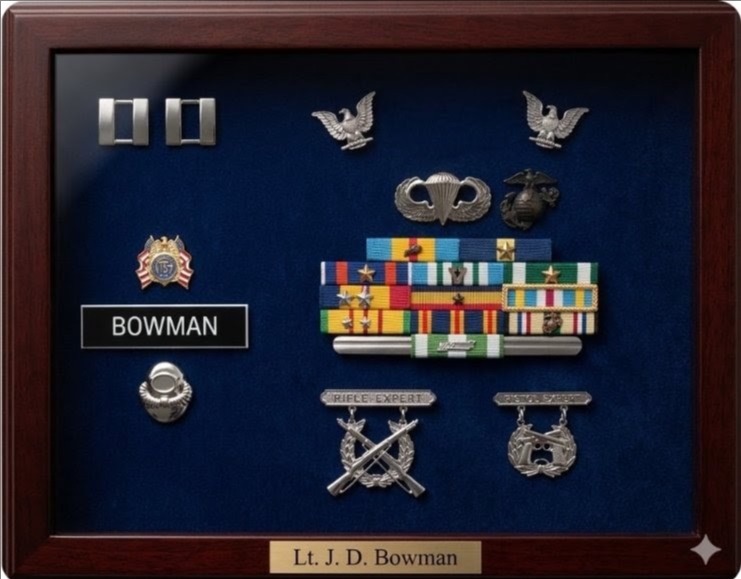
U.S. Navy
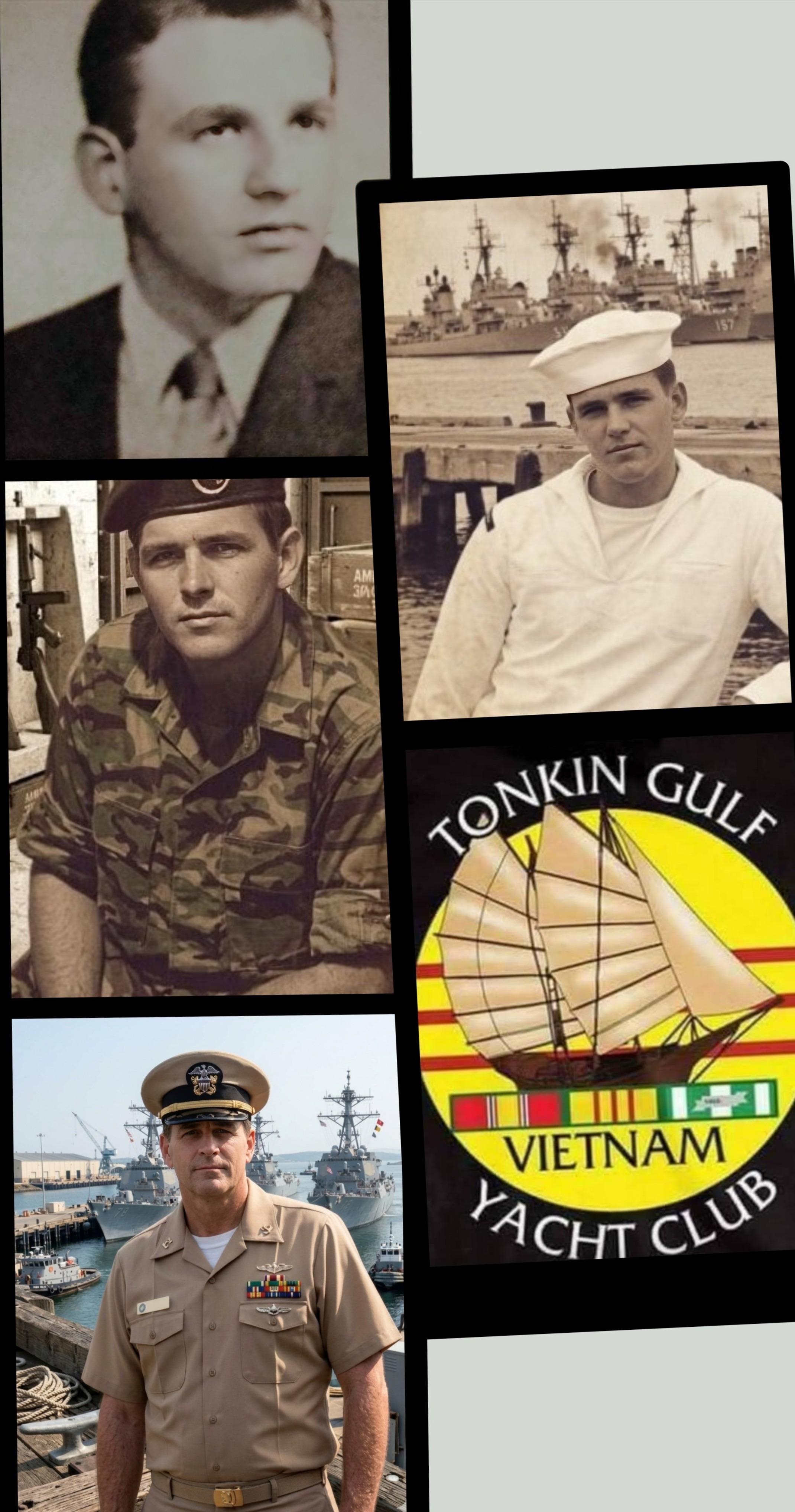
U.S. Navy