
Opening branch overview
Building the branch home surface
Loading branch highlights, featured unit context, and gallery moments.
Overview
Members
Units
Building the branch home surface
Loading branch highlights, featured unit context, and gallery moments.
Building the branch units surface
Loading unit filters, rankings, and the branch unit grid.

U.S. Navy•13 members
Relive and share the memories of your service-time with your brothers and sisters in arms today. VetFriends.com can help you reconnect.
Did you proudly serve in the US NAVCOMMSTA Harold E. Holt?
Are you looking for someone who is or was in the US NAVCOMMSTA Harold E. Holt?
Do you have US NAVCOMMSTA Harold E. Holt photos you'd like to share?
Then join a community with your brothers and sisters of the US NAVCOMMSTA Harold E. Holt.
U.S. Naval Communication Station Harold E. Holt, located near Exmouth, Western Australia, was commissioned in 1967 as a joint facility between the United States and Australia. Its primary mission was to provide very low frequency (VLF) radio communications to allied naval forces, particularly submarines operating in the Indian and Pacific Oceans. Named after Australian Prime Minister Harold E. Holt, who disappeared in 1967, the station became a key component of Western defense during the Cold War era. Over time, control and operations shifted more towards the Royal Australian Navy, with the U.S. presence gradually reduced.
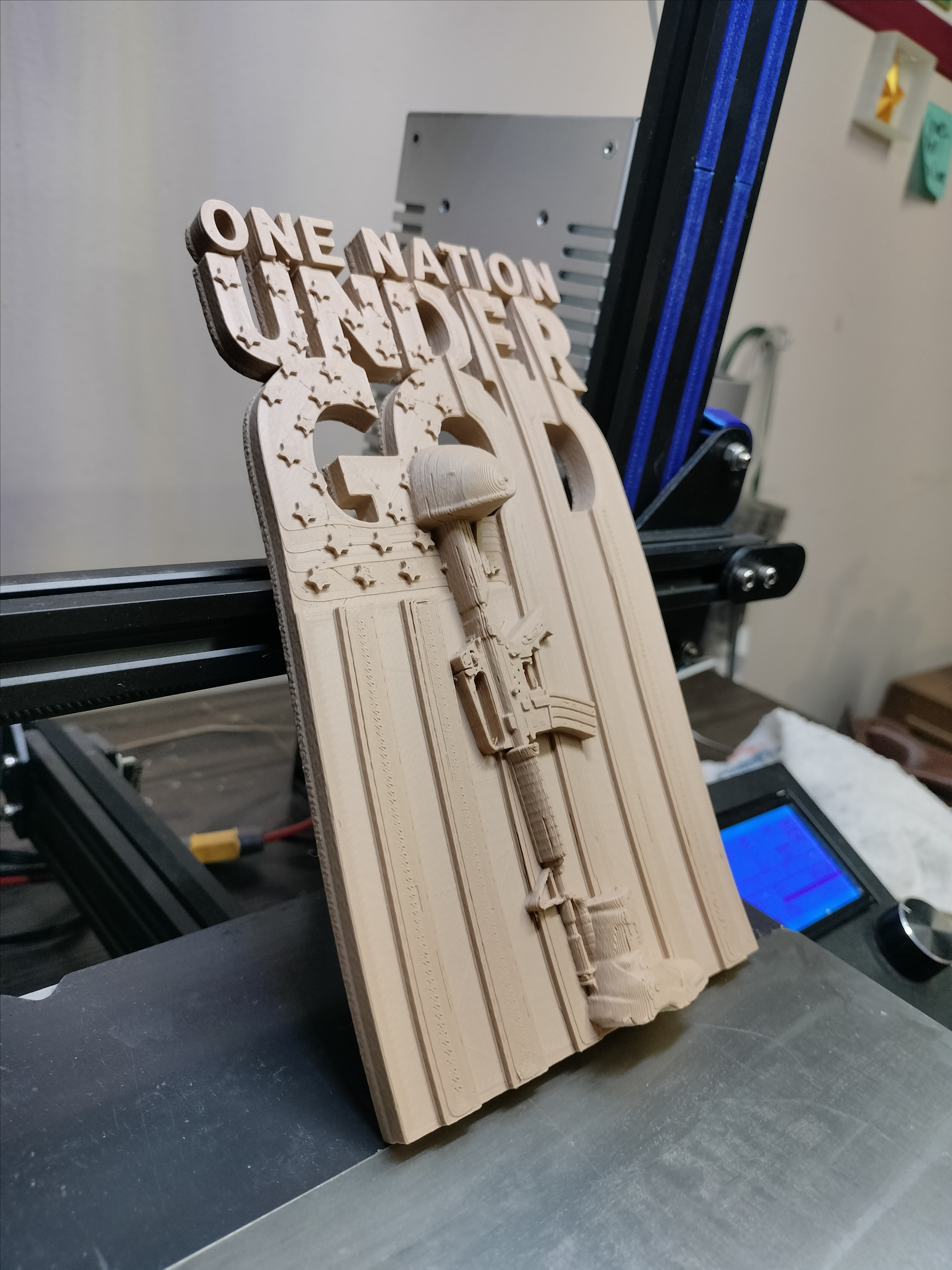
Brownwater Navy Vietnam • U.S. Navy • 2023
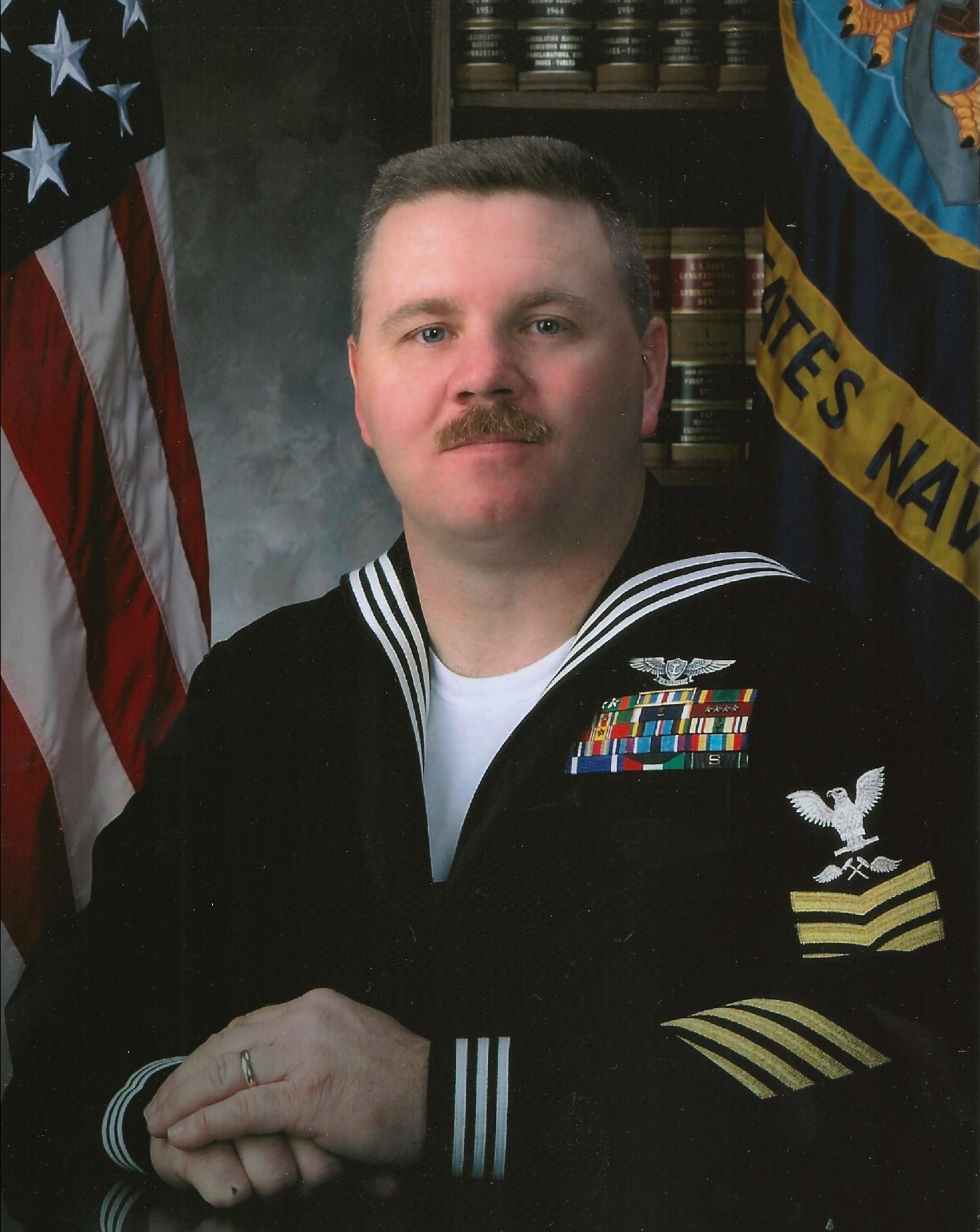
AIMD CORPUS CHRISTI • U.S. Navy • 2001
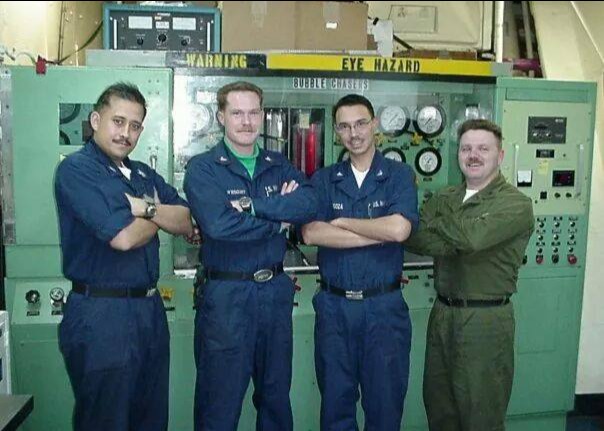
U.S. Navy
U.S. Navy