
Opening branch overview
Building the branch home surface
Loading branch highlights, featured unit context, and gallery moments.
Overview
Members
Units
Building the branch home surface
Loading branch highlights, featured unit context, and gallery moments.
Building the branch units surface
Loading unit filters, rankings, and the branch unit grid.
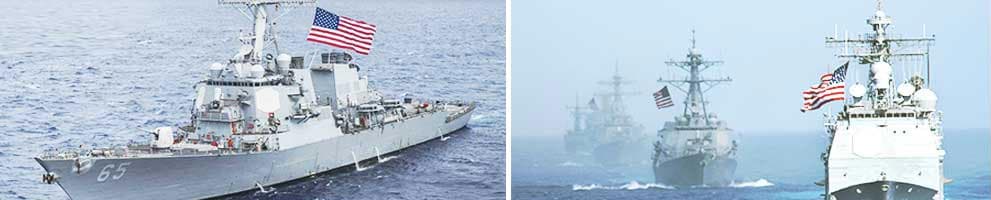
37 members•1 unit
Relive and share the memories of your service-time with your brothers and sisters in arms today. VetFriends.com can help you reconnect.
Did you proudly serve in the U.S. Naval Station, Pearl Harbor, Hawaii?
Are you looking for someone who is or was in the U.S. Naval Station, Pearl Harbor, Hawaii?
Do you have U.S. Naval Station, Pearl Harbor, Hawaii photos you'd like to share?
Then join a community with your brothers and sisters of the U.S. Naval Station, Pearl Harbor, Hawaii.
Branch
U.S. Navy
Members
37
U.S. Naval Station, Pearl Harbor, Hawaii, was officially established as a U.S. naval base in 1908, following the signing of a treaty with the Kingdom of Hawaii in the late 19th century. Its strategic location in the Pacific made it a critical hub for American naval operations, particularly during World War II. On December 7, 1941, Pearl Harbor was the site of a surprise attack by Japanese forces, which led to the United States’ entry into the war. Since then, the station has remained a central component of U.S. Pacific defense, supporting naval operations, logistics, and joint military activities in the Indo-Pacific region.

U.S. Navy
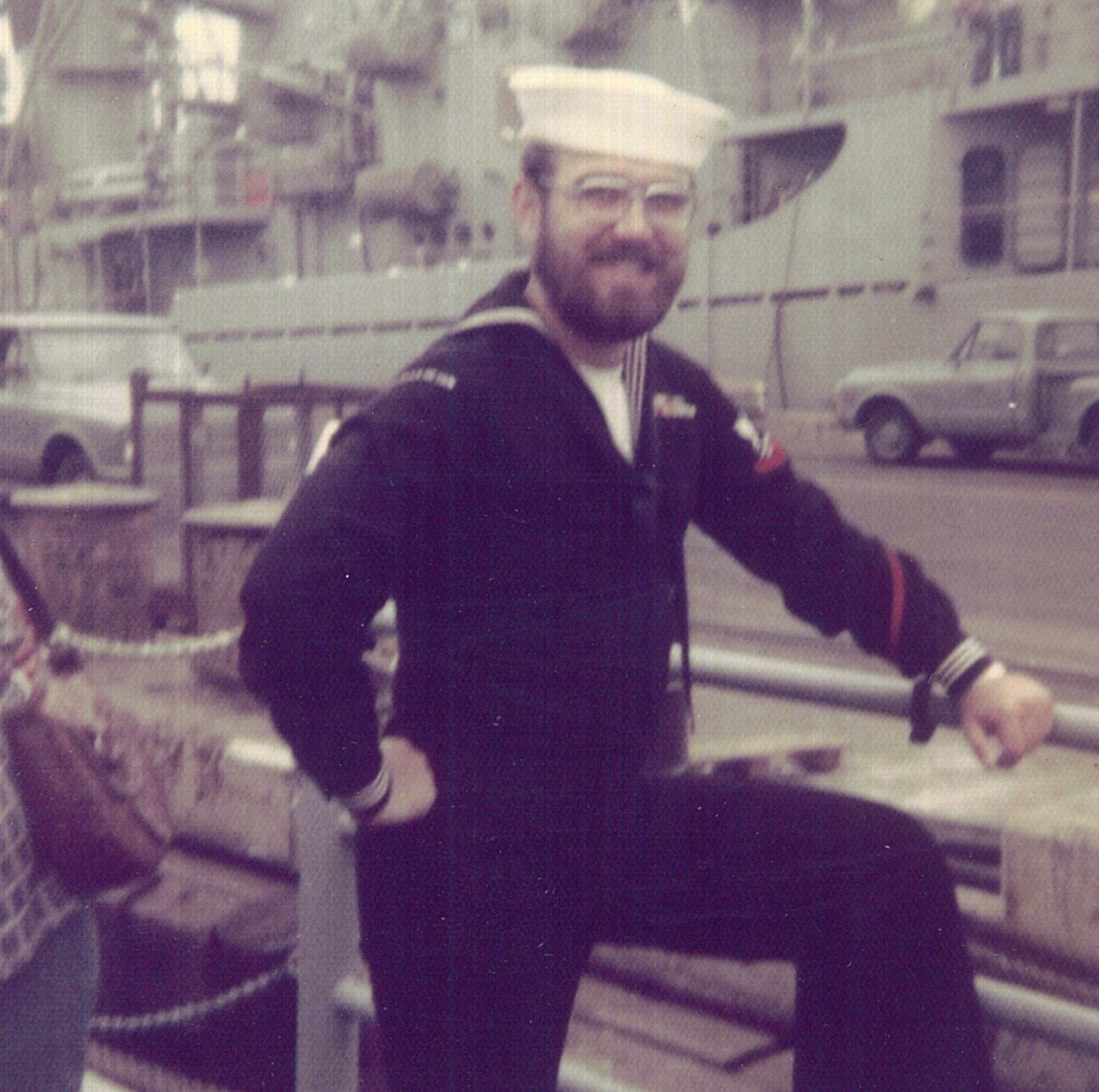
U.S. Navy
U.S. Navy • 2015
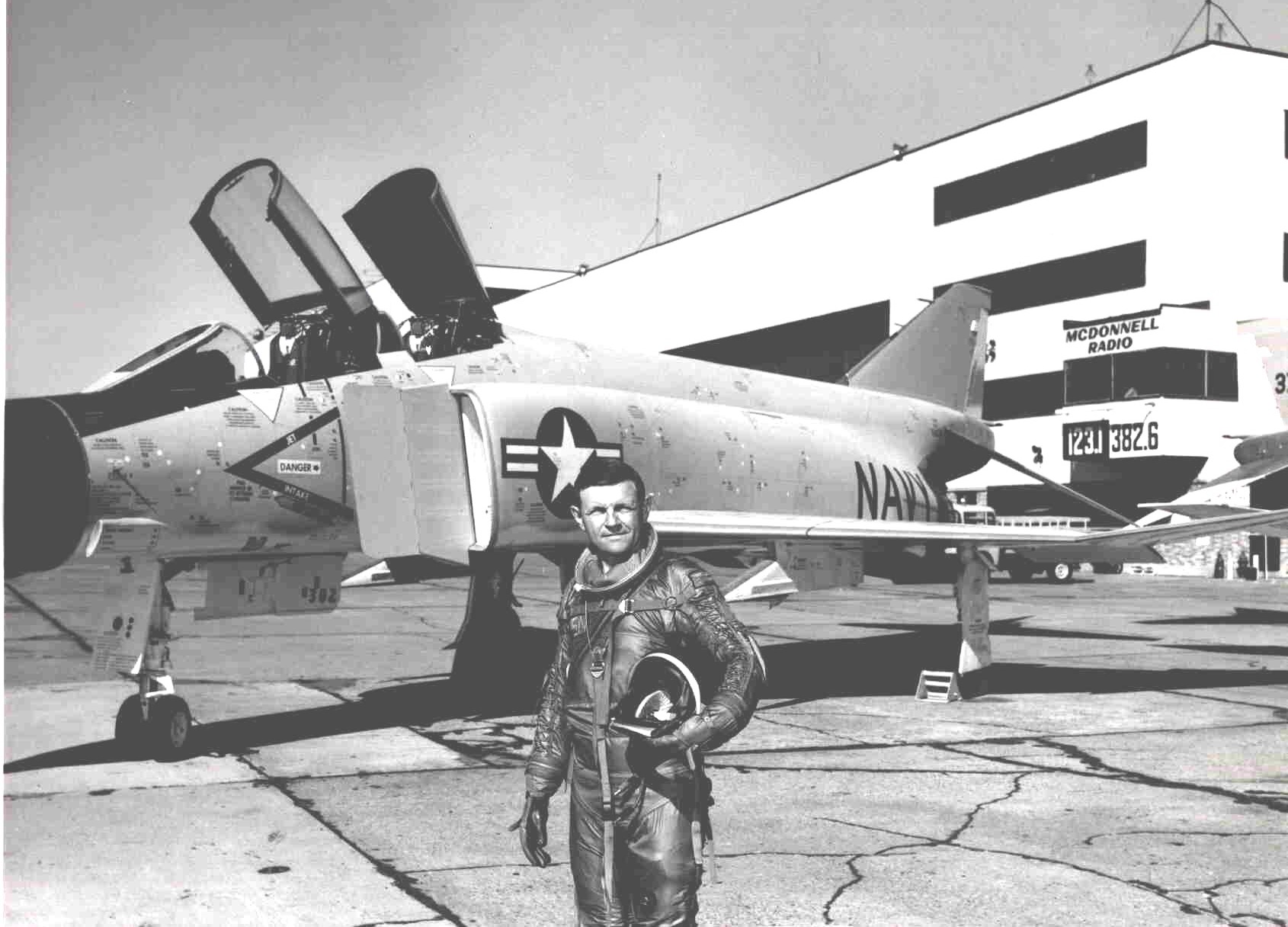
U.S. Navy • 1962