
Opening branch overview
Building the branch home surface
Loading branch highlights, featured unit context, and gallery moments.
Overview
Members
Units
Building the branch home surface
Loading branch highlights, featured unit context, and gallery moments.
Building the branch units surface
Loading unit filters, rankings, and the branch unit grid.

U.S. Navy•6 members
Relive and share the memories of your service-time with your brothers and sisters in arms today. VetFriends.com can help you reconnect.
Did you proudly serve in the UNITED STATES INDO-PACIFIC COMMAND?
Are you looking for someone who is or was in the UNITED STATES INDO-PACIFIC COMMAND?
Do you have UNITED STATES INDO-PACIFIC COMMAND photos you'd like to share?
Then join a community with your brothers and sisters of the UNITED STATES INDO-PACIFIC COMMAND.
The United States Indo-Pacific Command (USINDOPACOM) traces its origins to 1947, when it was established as the United States Far East Command in response to growing post-World War II security needs in Asia. In 1957, it was redesignated United States Pacific Command (USPACOM) and given responsibility for all U.S. military forces in the vast Asia-Pacific region. Over the decades, USINDOPACOM has played a central role in major conflicts and operations, including the Korean War, Vietnam War, and ongoing regional security initiatives with allies and partners. In 2018, reflecting the increasing strategic importance of the region, it was renamed United States Indo-Pacific Command, underscoring its expanded focus from the Pacific to the broader Indo-Pacific area.
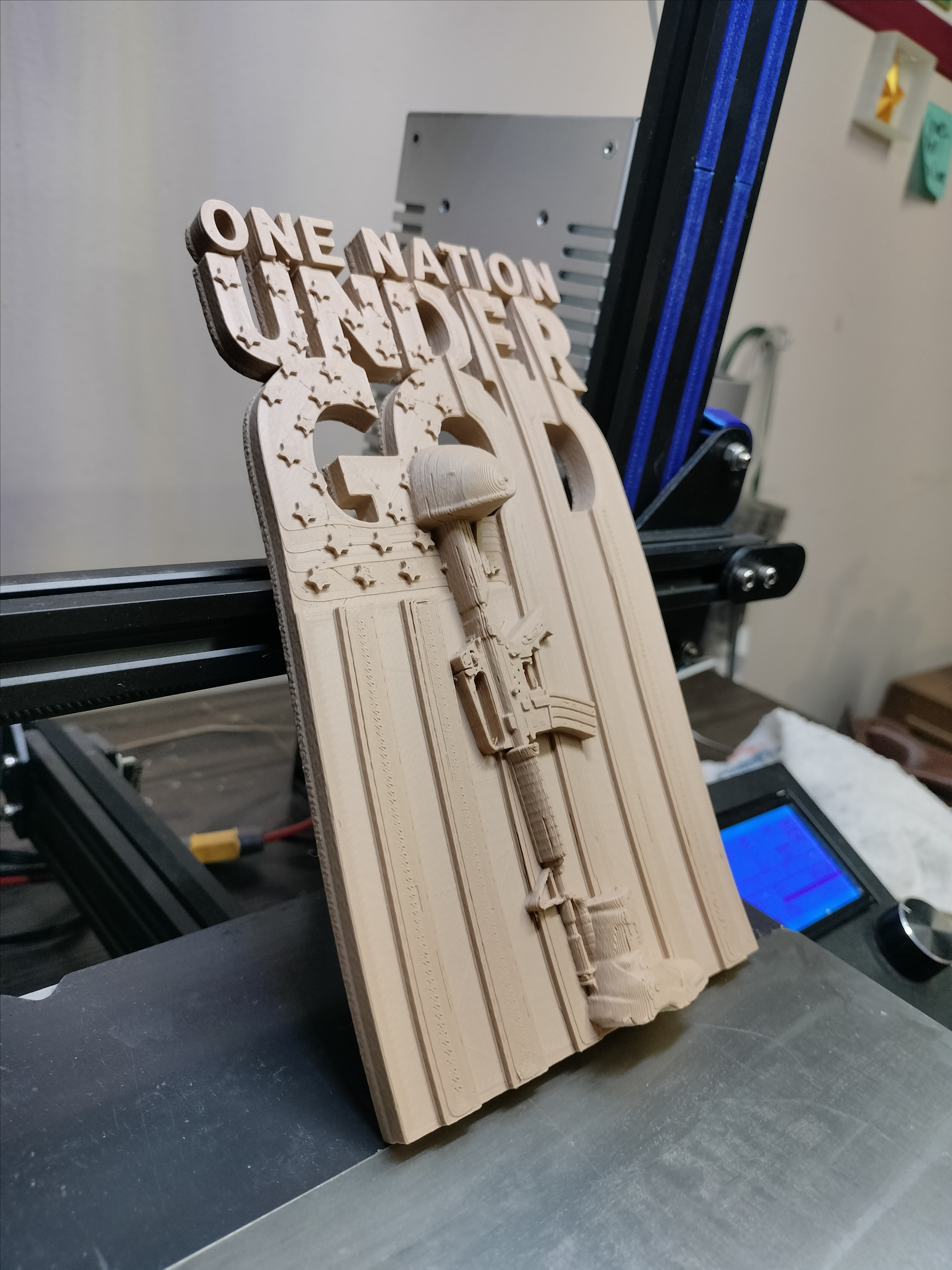
Brownwater Navy Vietnam • U.S. Navy • 2023
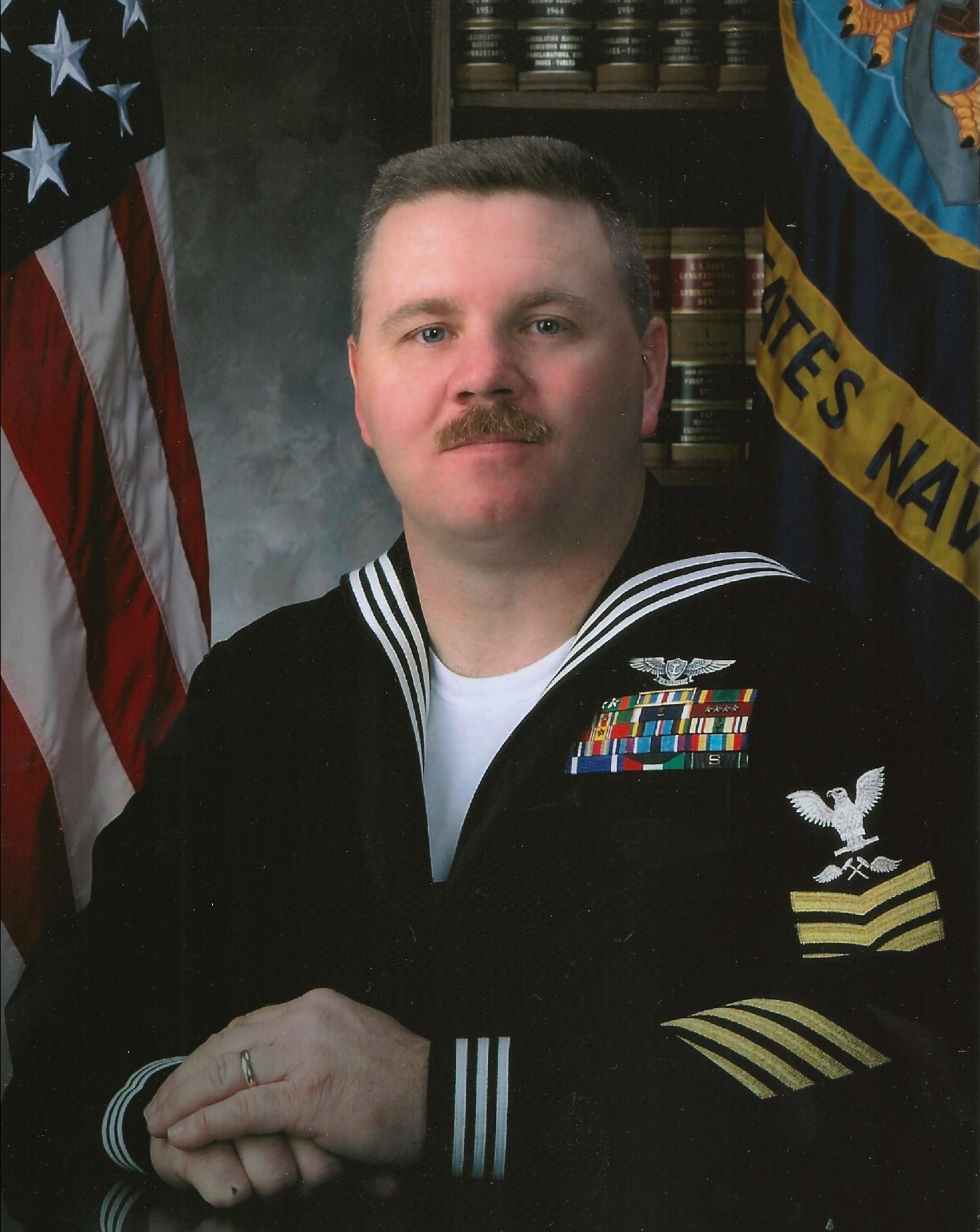
AIMD CORPUS CHRISTI • U.S. Navy • 2001
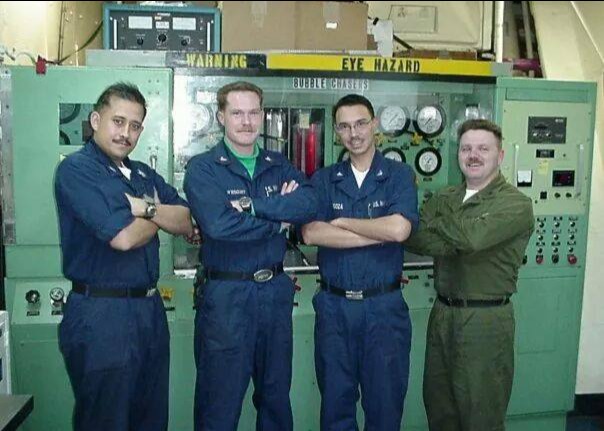
U.S. Navy

U.S. Navy