
Opening branch overview
Building the branch home surface
Loading branch highlights, featured unit context, and gallery moments.
Overview
Members
Units
Building the branch home surface
Loading branch highlights, featured unit context, and gallery moments.
Building the branch units surface
Loading unit filters, rankings, and the branch unit grid.

7 members•1 unit
Relive and share the memories of your service-time with your brothers and sisters in arms today. VetFriends.com can help you reconnect.
Did you proudly serve in the UDT-12?
Are you looking for someone who is or was in the UDT-12?
Do you have UDT-12 photos you'd like to share?
Then join a community with your brothers and sisters of the UDT-12.
Branch
U.S. Navy
Members
7
Underwater Demolition Team 12 (UDT-12) was a specialized unit of the United States Navy established during World War II. Activated in 1944, UDT-12 was trained for amphibious reconnaissance, demolition of obstacles, and beach clearing ahead of major assaults in the Pacific Theater, including operations in Okinawa and other island campaigns. The team’s expertise in underwater demolition and covert operations set the foundation for modern Naval Special Warfare tactics. After the war, UDT-12 continued to serve through the Korean War before eventually being integrated into the emerging Navy SEAL teams in the 1960s.
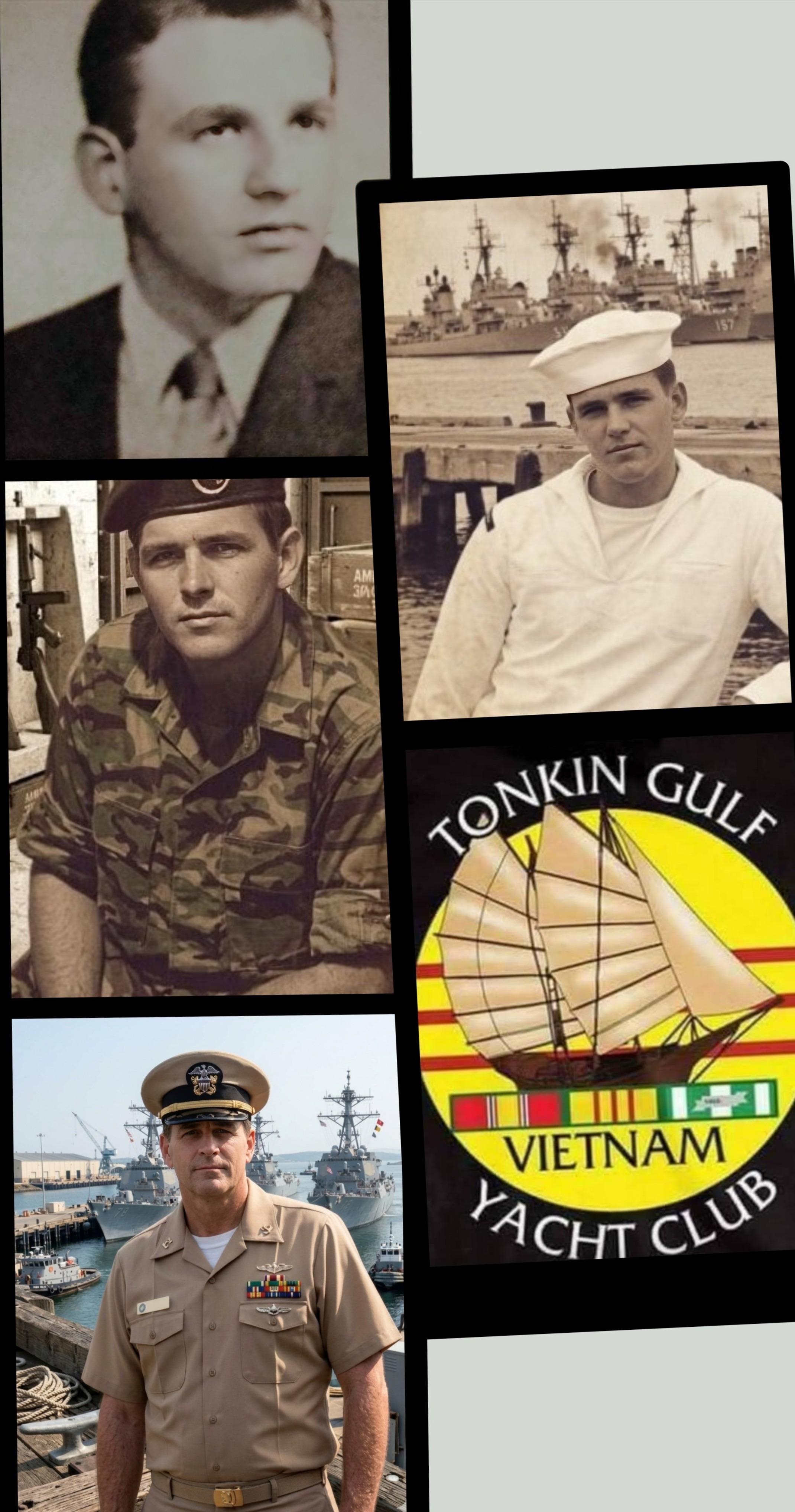
U.S. Navy
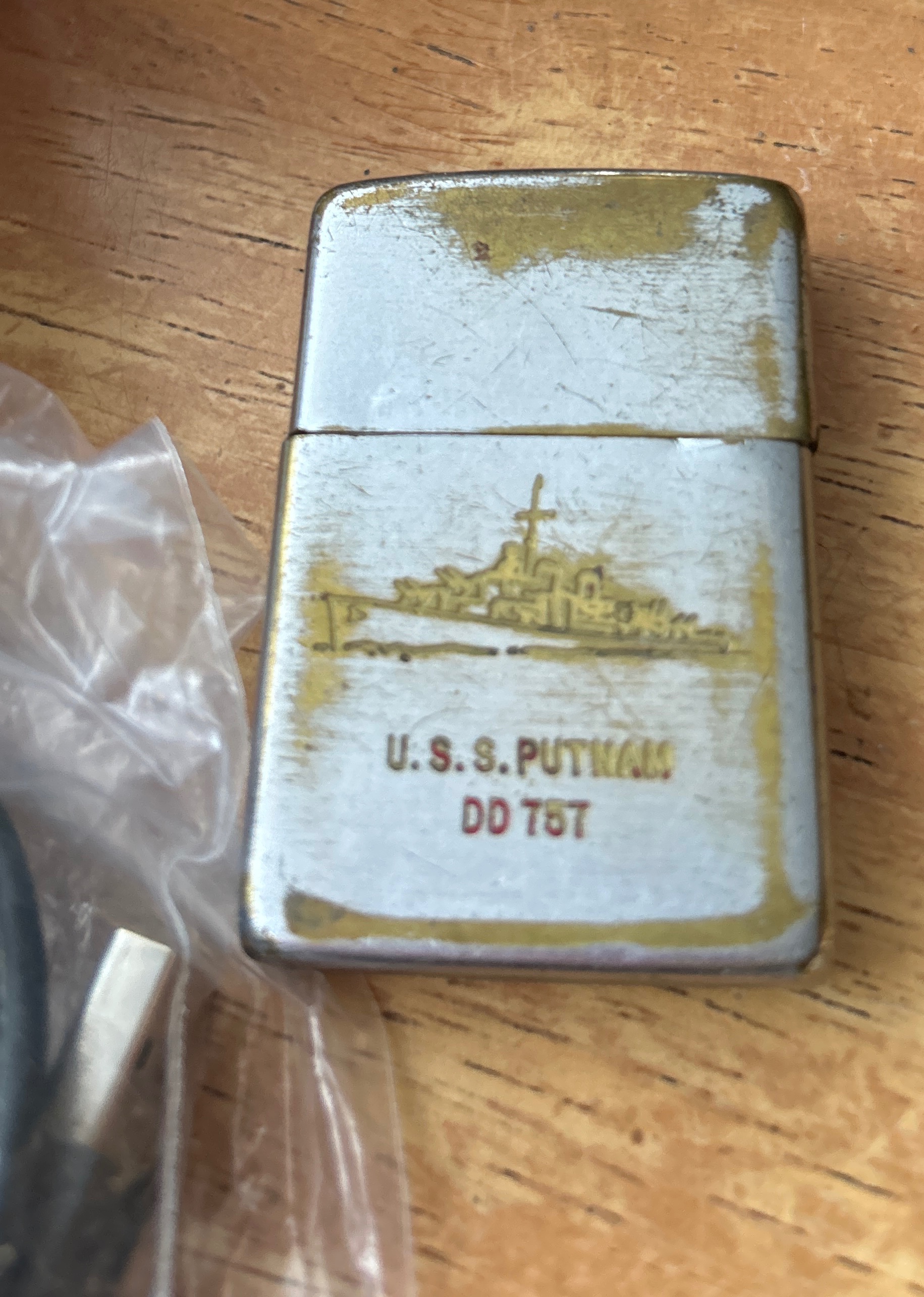
U.S. Navy
USS Enterprise • U.S. Navy • 1943
1ST MEDICAL BATTALION • U.S. Navy • 1983