
Opening branch overview
Building the branch home surface
Loading branch highlights, featured unit context, and gallery moments.
Overview
Members
Units
Building the branch home surface
Loading branch highlights, featured unit context, and gallery moments.
Building the branch units surface
Loading unit filters, rankings, and the branch unit grid.

3 members•1 unit
Relive and share the memories of your service-time with your brothers and sisters in arms today. VetFriends.com can help you reconnect.
Did you proudly serve in the UDT 1?
Are you looking for someone who is or was in the UDT 1?
Do you have UDT 1 photos you'd like to share?
Then join a community with your brothers and sisters of the UDT 1.
Branch
U.S. Navy
Members
3
Underwater Demolition Team 1 (UDT-1) was one of the original Naval Combat Demolition Units formed by the United States Navy during World War II. Established in 1943, UDT-1 specialized in reconnaissance and demolition missions, clearing obstacles and mines from beaches ahead of amphibious landings in the Pacific Theater, including operations at Saipan, Tinian, and Iwo Jima. The team's pioneering tactics and bravery laid the groundwork for modern naval special warfare. Following the war, UDT-1 continued to evolve and eventually became part of the lineage leading to the formation of the U.S. Navy SEALs in 1962.
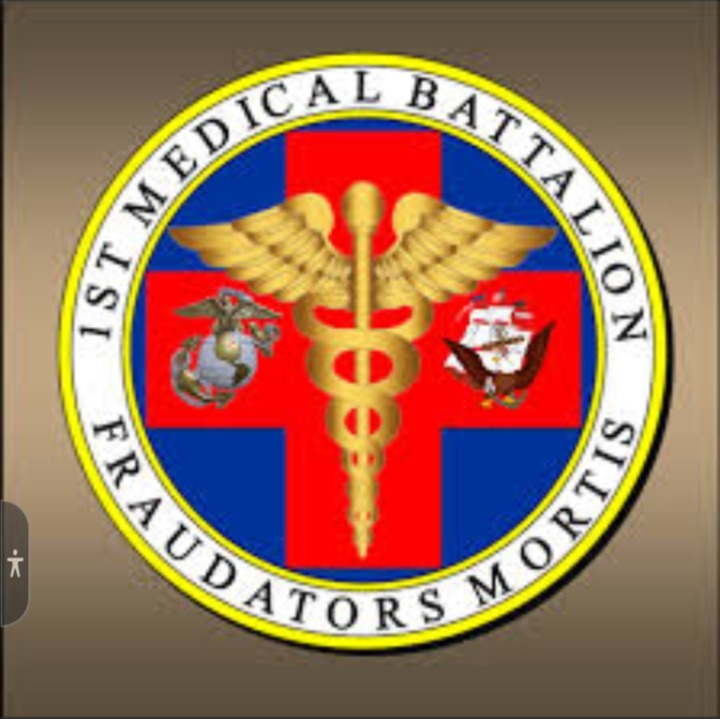
1ST MEDICAL BATTALION • U.S. Navy • 1983
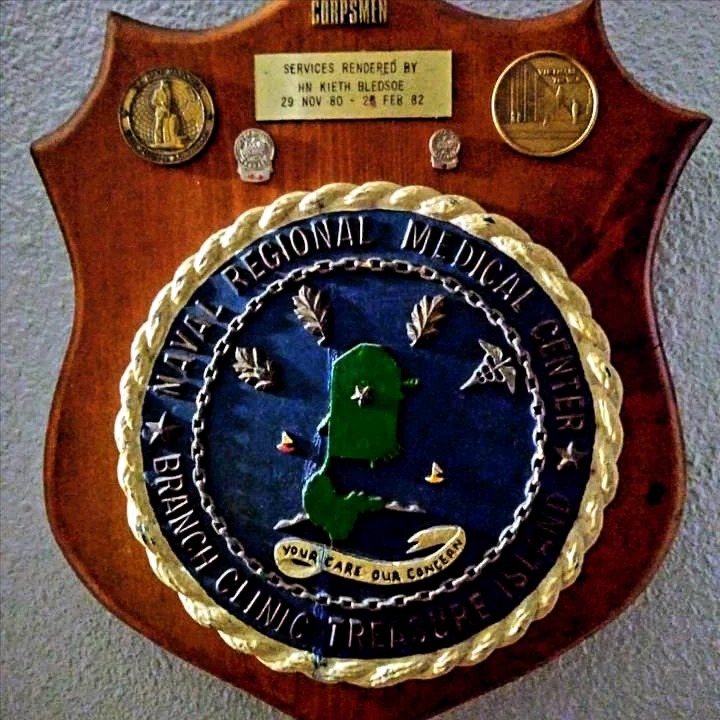
NAVAL REGIONAL MEDICAL CENTER OAKLAND, CA • U.S. Navy • 1980
U.S. Navy
U.S. Navy