
Opening branch overview
Building the branch home surface
Loading branch highlights, featured unit context, and gallery moments.
Overview
Members
Units
Building the branch home surface
Loading branch highlights, featured unit context, and gallery moments.
Building the branch units surface
Loading unit filters, rankings, and the branch unit grid.
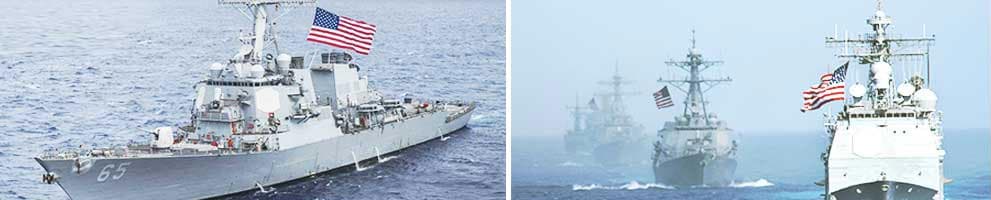
37 members•1 unit
Relive and share the memories of your service-time with your brothers and sisters in arms today. VetFriends.com can help you reconnect.
Did you proudly serve in the u s naval air station ,san juan, puerto rico?
Are you looking for someone who is or was in the u s naval air station ,san juan, puerto rico?
Do you have u s naval air station ,san juan, puerto rico photos you'd like to share?
Then join a community with your brothers and sisters of the u s naval air station ,san juan, puerto rico.
Branch
U.S. Navy
Members
37
The U.S. Naval Air Station (NAS) San Juan, Puerto Rico, was established during World War II as an important facility for maritime patrol and anti-submarine warfare in the Caribbean. Commissioned in 1942 at Isla Grande, the base supported operations to protect Allied shipping lanes from German U-boat threats and served as a hub for naval aviation in the region. Following the war, NAS San Juan continued to play a key role in regional security and training exercises throughout the early Cold War period. The base was eventually decommissioned and its facilities were transferred to local authorities, becoming part of what is now the Fernando Luis Ribas Dominicci Airport.

U.S. Navy
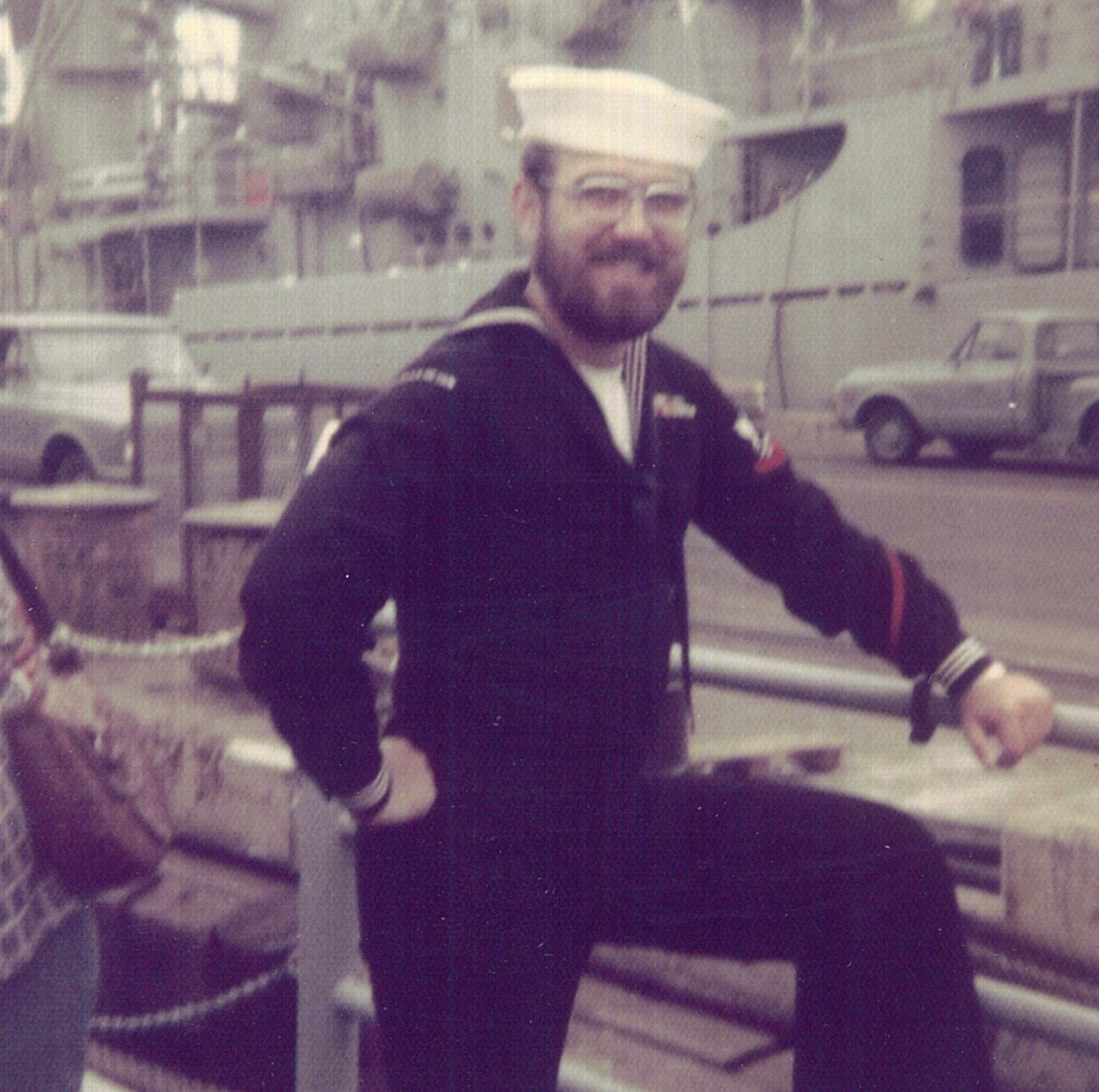
U.S. Navy
U.S. Navy • 2015
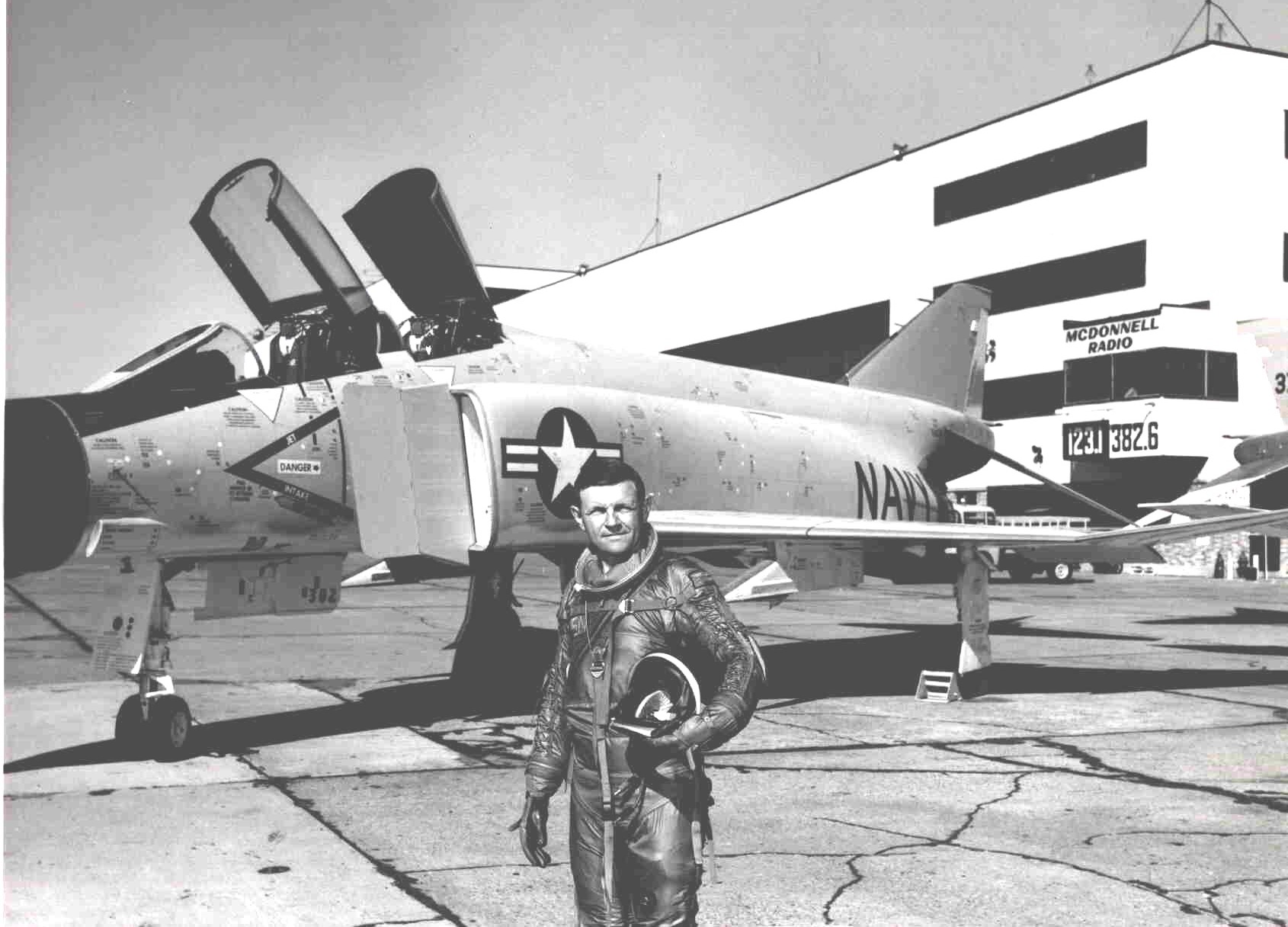
U.S. Navy • 1962