
Opening branch overview
Building the branch home surface
Loading branch highlights, featured unit context, and gallery moments.
Overview
Members
Units
Building the branch home surface
Loading branch highlights, featured unit context, and gallery moments.
Building the branch units surface
Loading unit filters, rankings, and the branch unit grid.
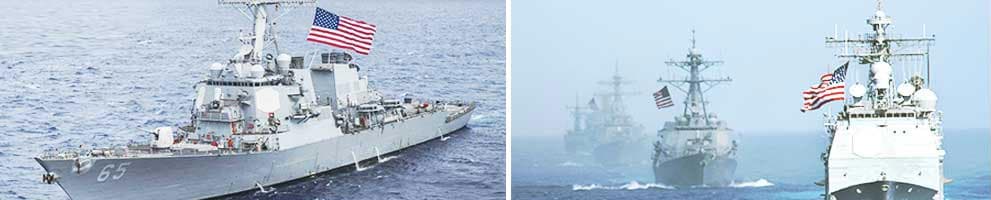
37 members•1 unit
Relive and share the memories of your service-time with your brothers and sisters in arms today. VetFriends.com can help you reconnect.
Did you proudly serve in the TF117, RIVDIV 13, RIVRON 132, R132-1?
Are you looking for someone who is or was in the TF117, RIVDIV 13, RIVRON 132, R132-1?
Do you have TF117, RIVDIV 13, RIVRON 132, R132-1 photos you'd like to share?
Then join a community with your brothers and sisters of the TF117, RIVDIV 13, RIVRON 132, R132-1.
Branch
U.S. Navy
Members
37
Task Force 117, also known as the Mobile Riverine Force, was a joint U.S. Navy and Army unit established during the Vietnam War to conduct operations in the Mekong Delta’s complex riverine environment. River Division 13 (RIVDIV 13) was one of the subordinate units within TF117, operating heavily armed Patrol Boat, River (PBR) and Armored Troop Carrier (ATC) craft to patrol and secure waterways. Within RIVDIV 13, River Squadron 132 (RIVRON 132) and its component River Section 132-1 (R132-1) played key roles in interdiction, troop transport, and fire support missions. These units faced frequent enemy ambushes yet contributed significantly to disrupting Viet Cong supply lines and supporting ground operations throughout the delta region.
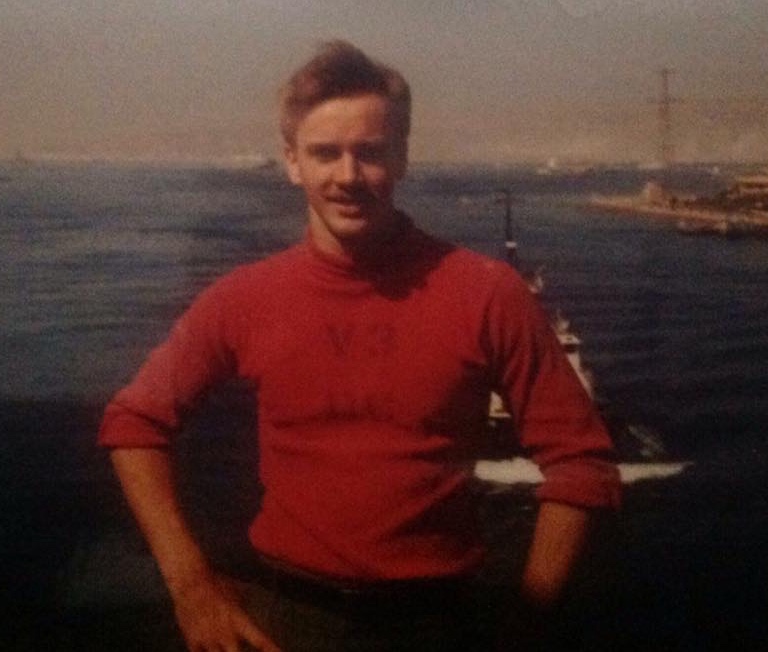
U.S. Navy • 1987
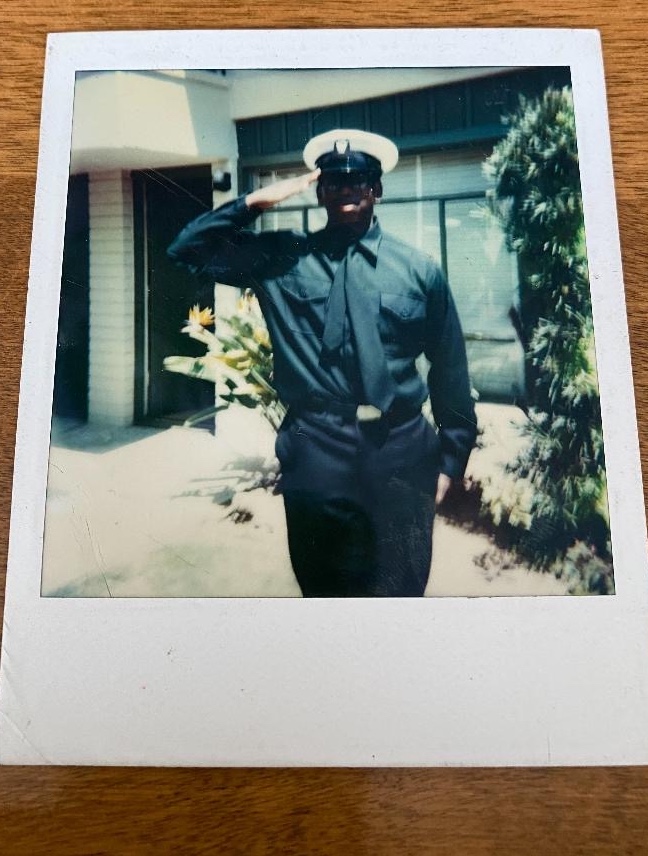
U.S. Navy • 1979
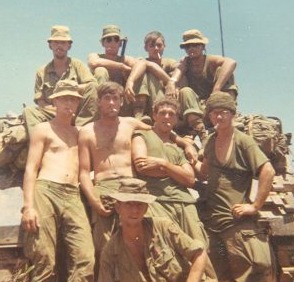
U.S. Navy
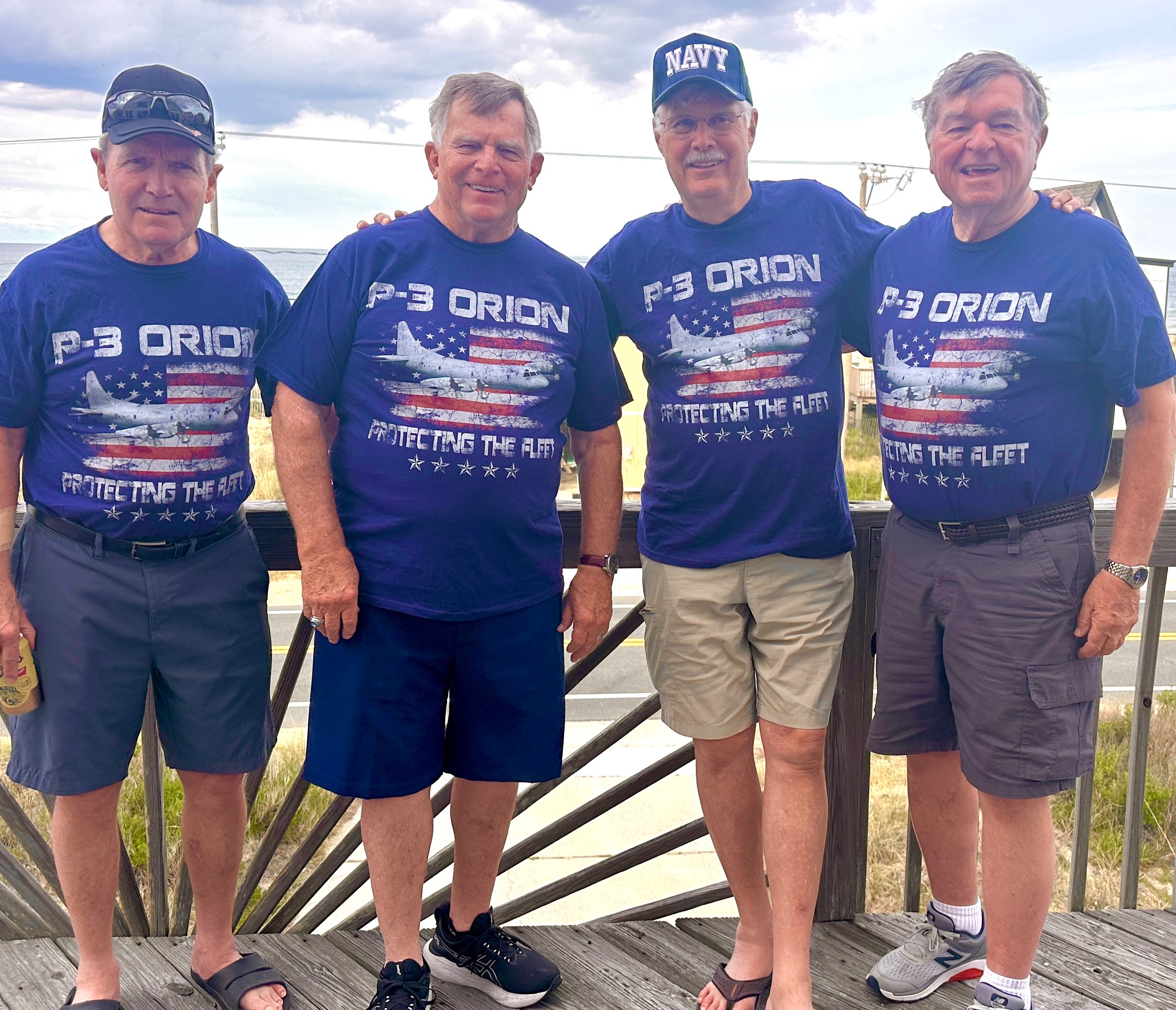
VP Squadrons • U.S. Navy • 2024