
Opening branch overview
Building the branch home surface
Loading branch highlights, featured unit context, and gallery moments.
Overview
Members
Units
Building the branch home surface
Loading branch highlights, featured unit context, and gallery moments.
Building the branch units surface
Loading unit filters, rankings, and the branch unit grid.

2 members•1 unit
Relive and share the memories of your service-time with your brothers and sisters in arms today. VetFriends.com can help you reconnect.
Did you proudly serve in the Tacron 21?
Are you looking for someone who is or was in the Tacron 21?
Do you have Tacron 21 photos you'd like to share?
Then join a community with your brothers and sisters of the Tacron 21.
Branch
U.S. Navy
Members
2
Tactical Air Control Squadron 21 (TACRON 21), also known as TACRON TWO ONE, is a United States Navy unit specializing in amphibious air control and command. Established in 1951, TACRON 21 provides air traffic control and coordination between naval vessels and embarked Marine Corps aviation assets during amphibious operations. The squadron plays a crucial role in ensuring safe and effective airspace management for carrier strike groups and amphibious ready groups. Over the decades, TACRON 21 has supported numerous deployments and exercises worldwide, contributing significantly to the Navy-Marine Corps team’s expeditionary capabilities.
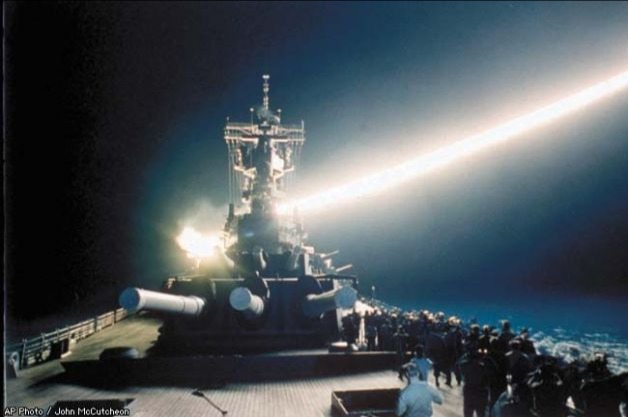
U.S. Navy • 1991
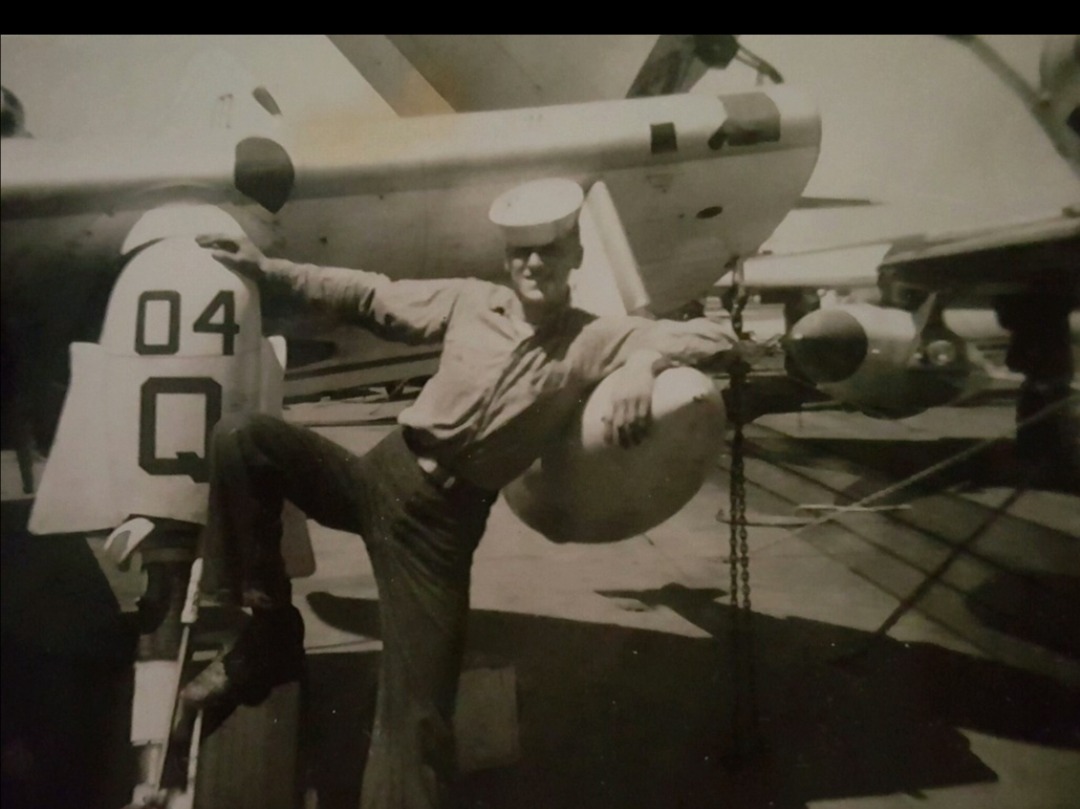
U.S. Navy
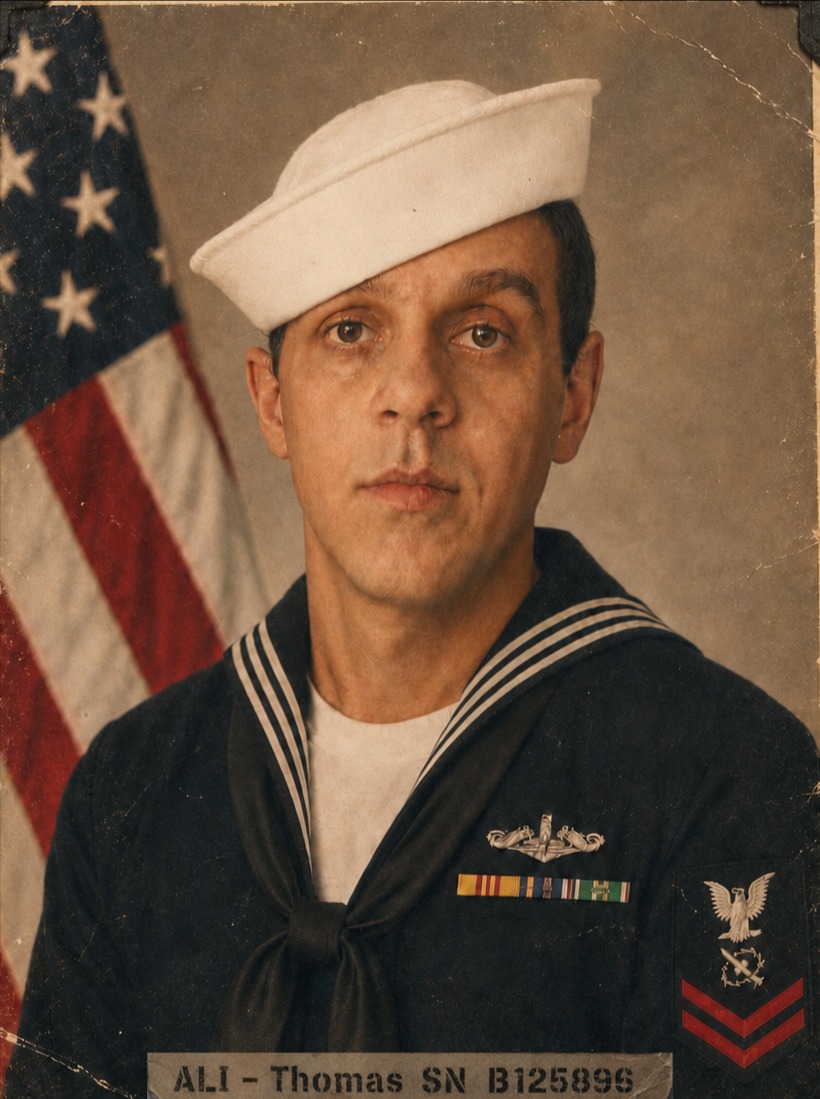
WEAPONS • U.S. Navy • 1968
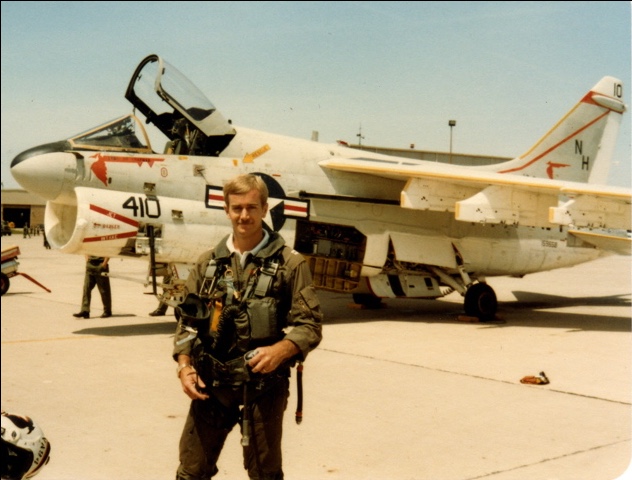
U.S. Navy