
Opening branch overview
Building the branch home surface
Loading branch highlights, featured unit context, and gallery moments.
Overview
Members
Units
Building the branch home surface
Loading branch highlights, featured unit context, and gallery moments.
Building the branch units surface
Loading unit filters, rankings, and the branch unit grid.

U.S. Navy•2 members
Relive and share the memories of your service-time with your brothers and sisters in arms today. VetFriends.com can help you reconnect.
Did you proudly serve in the Sugar Grove Station?
Are you looking for someone who is or was in the Sugar Grove Station?
Do you have Sugar Grove Station photos you'd like to share?
Then join a community with your brothers and sisters of the Sugar Grove Station.
Sugar Grove Station, located near Sugar Grove, West Virginia, was established in the early 1960s as a United States Navy installation. Its primary mission was to support the National Security Agency (NSA) with signals intelligence (SIGINT) operations, utilizing large radio antennas to intercept and monitor communications, including satellite transmissions during the Cold War. The station played a key role in global intelligence-gathering efforts until the early 21st century. In 2017, the base was officially closed and later repurposed for civilian use, marking the end of its military service.

U.S. Navy

ATTACK SQUADRON VA-87 • U.S. Navy • 1969
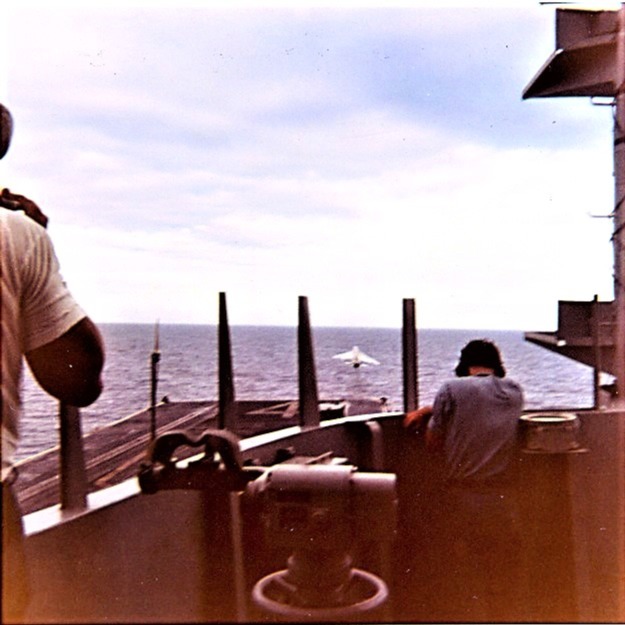
U.S. Navy • 1969
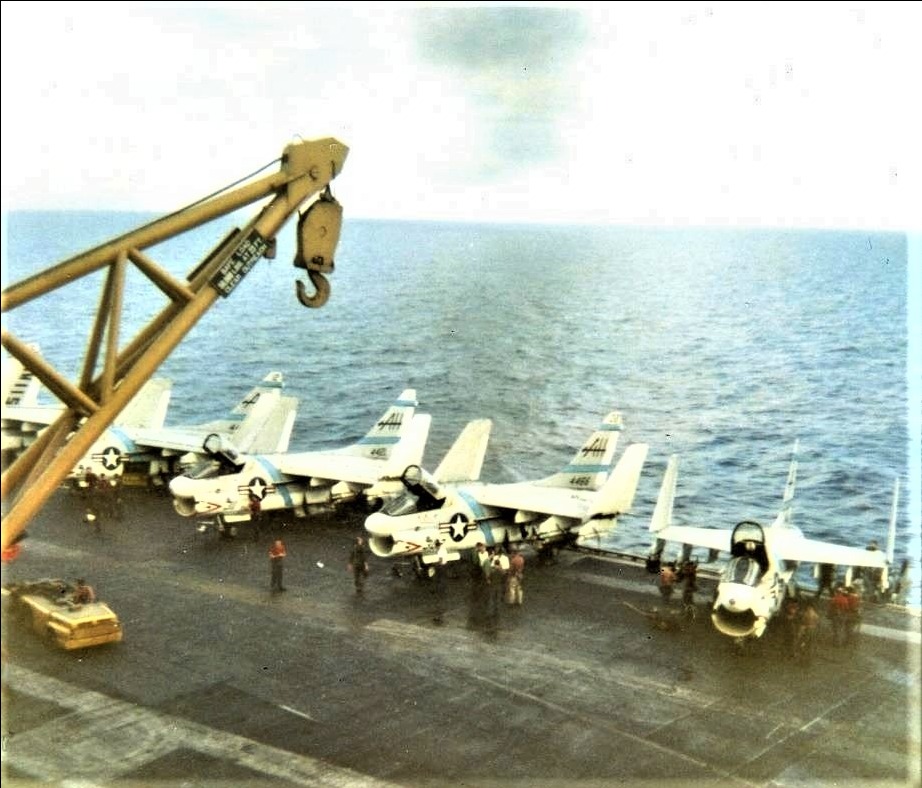
U.S. Navy • 1969