
Opening branch overview
Building the branch home surface
Loading branch highlights, featured unit context, and gallery moments.
Overview
Members
Units
Building the branch home surface
Loading branch highlights, featured unit context, and gallery moments.
Building the branch units surface
Loading unit filters, rankings, and the branch unit grid.

9 members•1 unit
Relive and share the memories of your service-time with your brothers and sisters in arms today. VetFriends.com can help you reconnect.
Did you proudly serve in the sub base pearl harbor supply center?
Are you looking for someone who is or was in the sub base pearl harbor supply center?
Do you have sub base pearl harbor supply center photos you'd like to share?
Then join a community with your brothers and sisters of the sub base pearl harbor supply center.
Branch
U.S. Navy
Members
9
The Sub Base Pearl Harbor Supply Center was a critical logistics hub established during World War II to support the expanding operations of the United States Navy in the Pacific Theater. Located within the Pearl Harbor Naval Base in Hawaii, the Supply Center managed the procurement, storage, and distribution of vital materials, equipment, and provisions for the Pacific Fleet. During and after the attack on Pearl Harbor on December 7, 1941, the center played an essential role in ensuring that ships and personnel received the supplies necessary for rapid repairs and continued combat operations. The center continued to serve as a vital logistics and supply node throughout the war and into the Cold War era, supporting U.S. naval operations across the Pacific region.
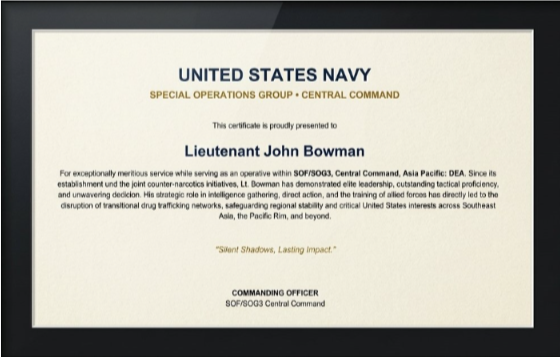
U.S. Navy
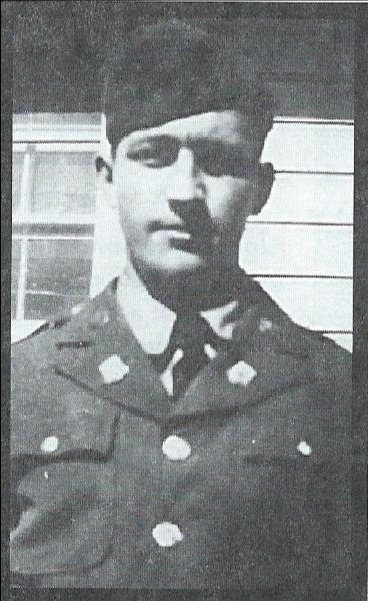
U.S. Navy
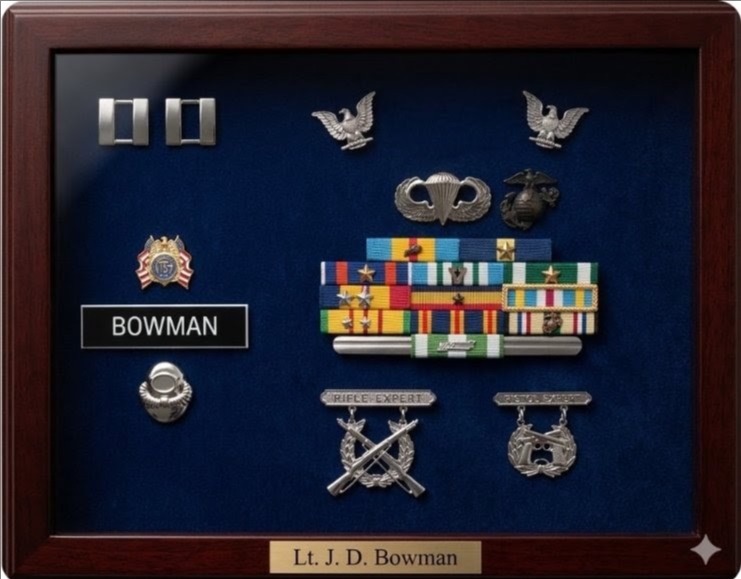
U.S. Navy
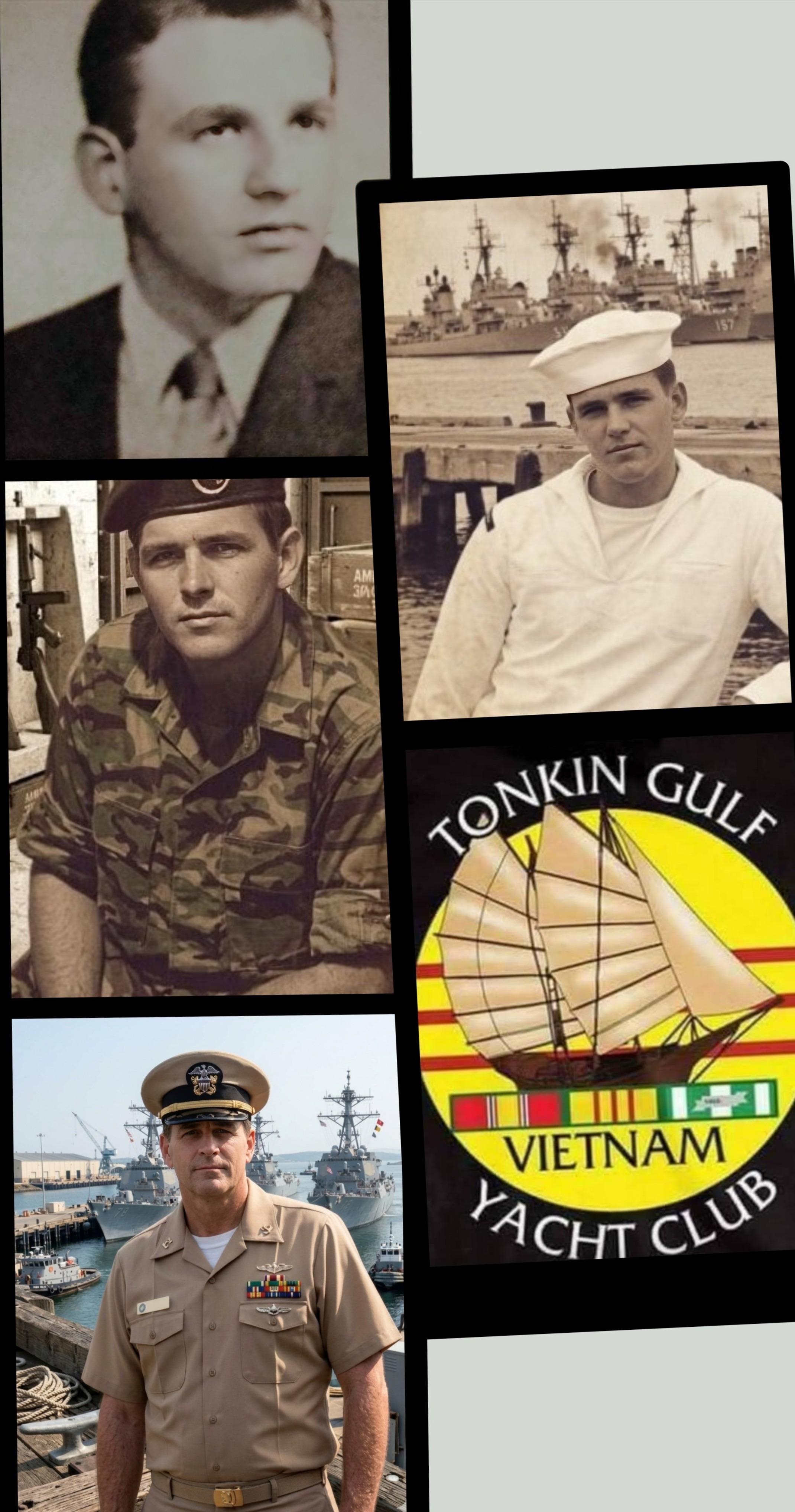
U.S. Navy