
Opening branch overview
Building the branch home surface
Loading branch highlights, featured unit context, and gallery moments.
Overview
Members
Units
Building the branch home surface
Loading branch highlights, featured unit context, and gallery moments.
Building the branch units surface
Loading unit filters, rankings, and the branch unit grid.
37 members•1 unit
Relive and share the memories of your service-time with your brothers and sisters in arms today. VetFriends.com can help you reconnect.
Did you proudly serve in the SISS ZULU Zeto Point, Adak?
Are you looking for someone who is or was in the SISS ZULU Zeto Point, Adak?
Do you have SISS ZULU Zeto Point, Adak photos you'd like to share?
Then join a community with your brothers and sisters of the SISS ZULU Zeto Point, Adak.
Branch
U.S. Navy
Members
37
**SISS ZULU** was a US Navy Shore Intercept Site located at Zeto Point on Adak Island, Alaska, established during the Cold War. The site was part of the larger Adak Naval Complex and operated under the Naval Security Group, with the mission of signals intelligence (SIGINT) collection and monitoring Soviet military activity in the North Pacific region. Known as “ZULU Site,” the facility played a crucial role in electronic surveillance, support of fleet operations, and early warning during periods of heightened tension with the Soviet Union. SISS ZULU was decommissioned in the 1990s as geopolitical circumstances changed and technology advanced, but it remains a testament to the strategic importance of Adak in US military history.
U.S. Navy • 2015
U.S. Navy • 1962
U.S. Navy • 2010
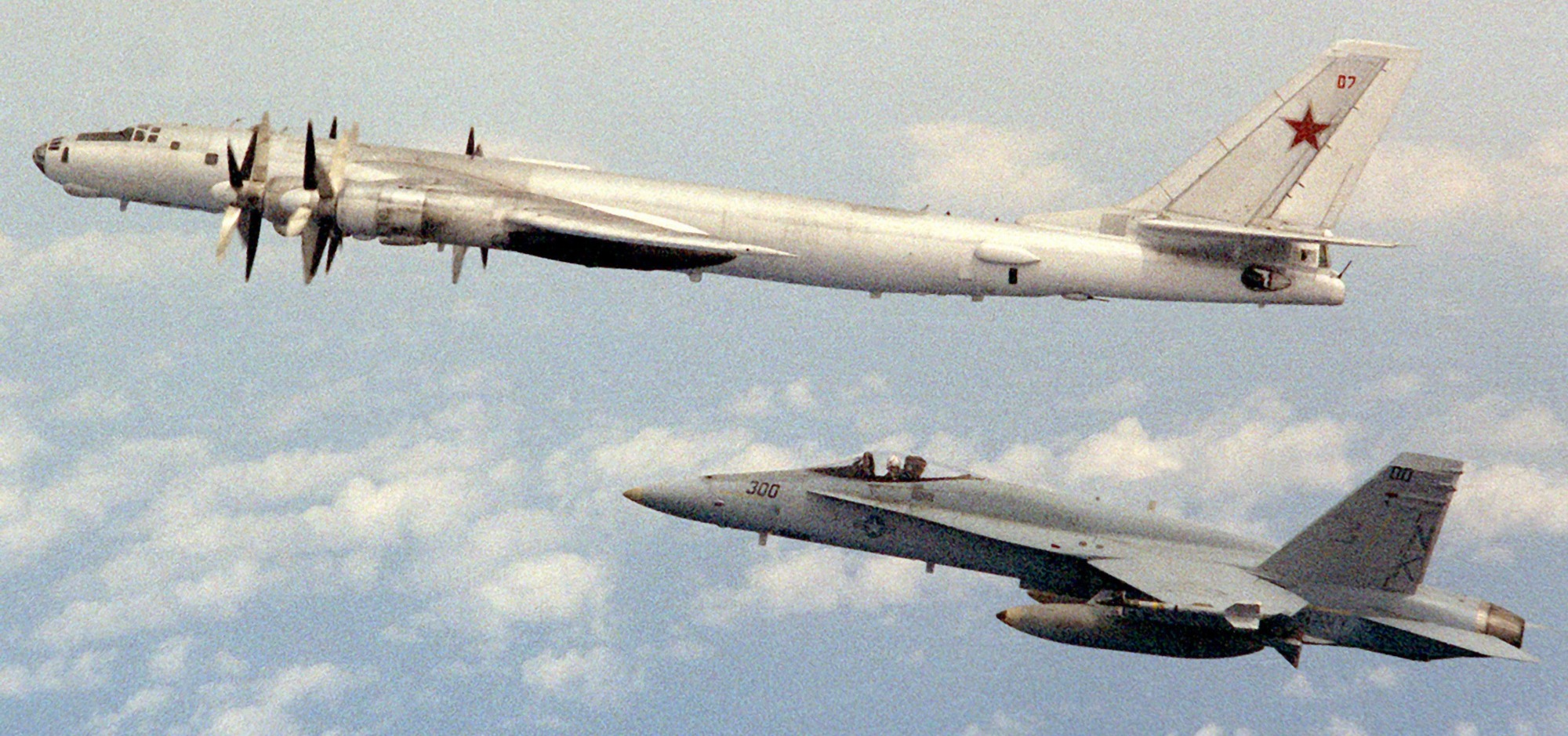
VFA-113 Stingers • U.S. Navy • 1985