
Opening branch overview
Building the branch home surface
Loading branch highlights, featured unit context, and gallery moments.
Overview
Members
Units
Building the branch home surface
Loading branch highlights, featured unit context, and gallery moments.
Building the branch units surface
Loading unit filters, rankings, and the branch unit grid.

7 members•1 unit
Relive and share the memories of your service-time with your brothers and sisters in arms today. VetFriends.com can help you reconnect.
Did you proudly serve in the SACLANT DET 122?
Are you looking for someone who is or was in the SACLANT DET 122?
Do you have SACLANT DET 122 photos you'd like to share?
Then join a community with your brothers and sisters of the SACLANT DET 122.
Branch
U.S. Navy
Members
7
SACLANT DET 122, or Supreme Allied Commander Atlantic Detachment 122, was a specialized NATO military unit established during the Cold War to enhance maritime surveillance and anti-submarine warfare capabilities in the Atlantic theater. Operating under the command structure of SACLANT, the detachment played a crucial role in monitoring Soviet naval activity and securing sea lines of communication between North America and Europe. Its personnel were drawn from various NATO member states, reflecting the alliance's integrated approach to collective defense. Over the years, SACLANT DET 122 contributed to numerous joint exercises and real-world operations, bolstering NATO’s readiness and deterrence posture until its missions were reorganized following the end of the Cold War.

1st medical battalion 1st fssg • U.S. Navy • 1983

U.S. Navy

U.S. Navy
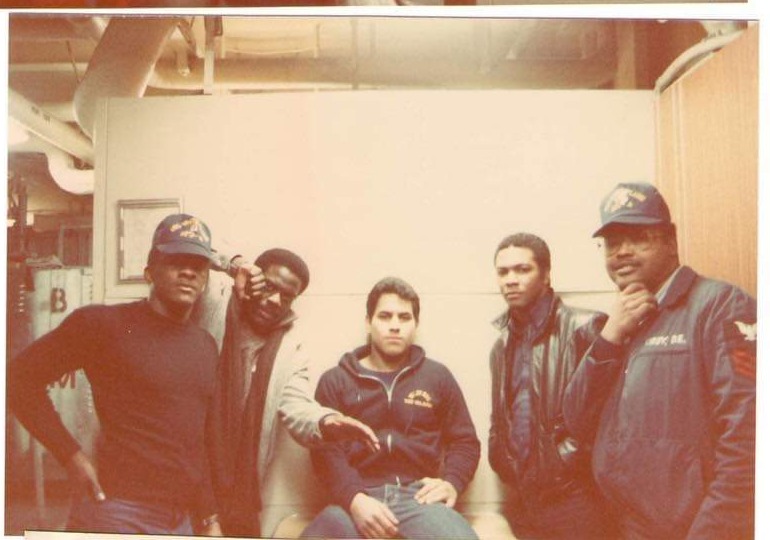
U.S. Navy