
Opening branch overview
Building the branch home surface
Loading branch highlights, featured unit context, and gallery moments.
Overview
Members
Units
Building the branch home surface
Loading branch highlights, featured unit context, and gallery moments.
Building the branch units surface
Loading unit filters, rankings, and the branch unit grid.
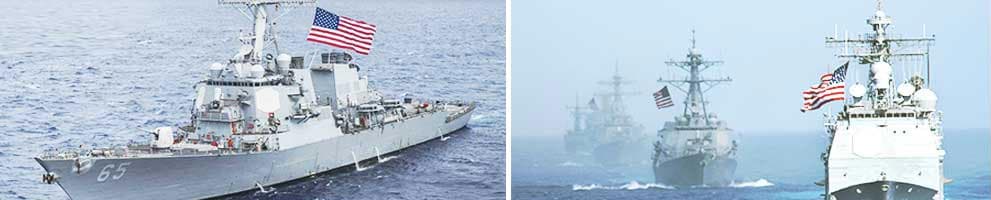
37 members•1 unit
Relive and share the memories of your service-time with your brothers and sisters in arms today. VetFriends.com can help you reconnect.
Did you proudly serve in the RVAW-110 NAZ NORIS San Diego Ca?
Are you looking for someone who is or was in the RVAW-110 NAZ NORIS San Diego Ca?
Do you have RVAW-110 NAZ NORIS San Diego Ca photos you'd like to share?
Then join a community with your brothers and sisters of the RVAW-110 NAZ NORIS San Diego Ca.
Branch
U.S. Navy
Members
37
RVAW-110, known as the "Nazgul," was a United States Navy Fleet Replacement Squadron based at Naval Air Station North Island (NASNI) in San Diego, California. Established in 1967, RVAW-110 was primarily responsible for training naval aircrew and maintenance personnel on the E-2 Hawkeye airborne early warning aircraft. The squadron played a key role in preparing crews for operational deployment with carrier-based fleet squadrons, ensuring readiness for both peacetime and combat missions. RVAW-110 was disestablished in 1994 as part of post-Cold War force reductions, with its training responsibilities consolidated into other units.

U.S. Navy
U.S. Navy
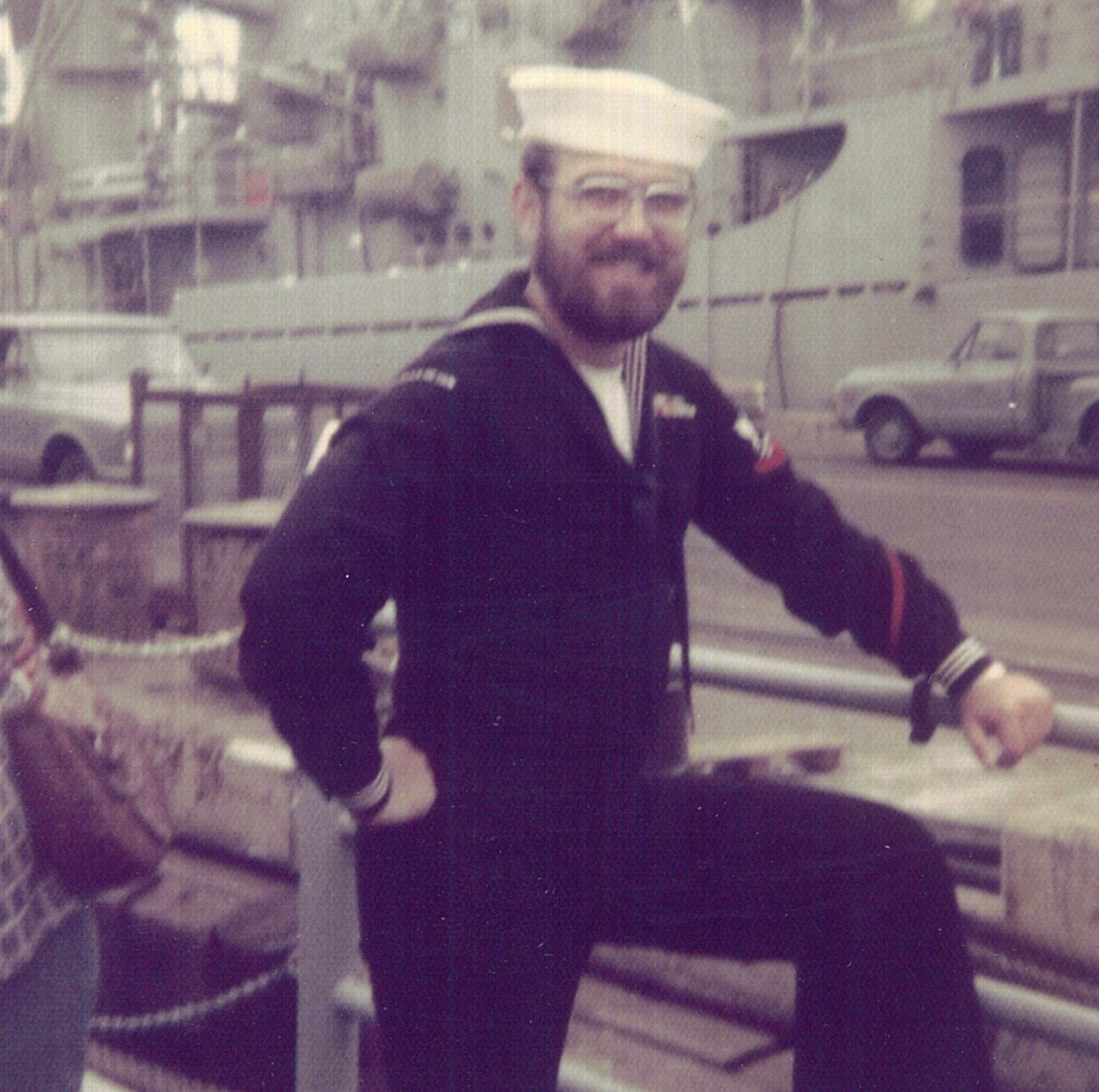
U.S. Navy
U.S. Navy • 2015