
Opening branch overview
Building the branch home surface
Loading branch highlights, featured unit context, and gallery moments.
Overview
Members
Units
Building the branch home surface
Loading branch highlights, featured unit context, and gallery moments.
Building the branch units surface
Loading unit filters, rankings, and the branch unit grid.

U.S. Navy•9 members
Relive and share the memories of your service-time with your brothers and sisters in arms today. VetFriends.com can help you reconnect.
Did you proudly serve in the RVAH-3?
Are you looking for someone who is or was in the RVAH-3?
Do you have RVAH-3 photos you'd like to share?
Then join a community with your brothers and sisters of the RVAH-3.
Reconnaissance Attack (Heavy) Squadron 3 (RVAH-3), also known as the "Sea Dragons," was established on 15 June 1957 at Naval Air Station Sanford, Florida. Initially formed as Heavy Attack Squadron 3 (VAH-3), it served as a replacement training unit for crews and maintenance personnel operating the A-3 Skywarrior and later the RA-5C Vigilante. In 1964, the squadron was redesignated RVAH-3 to reflect its new focus on reconnaissance missions. RVAH-3 continued training aviators and support crews for the Navy's high-speed reconnaissance aircraft until its disestablishment on 1 February 1979.

U.S. Navy
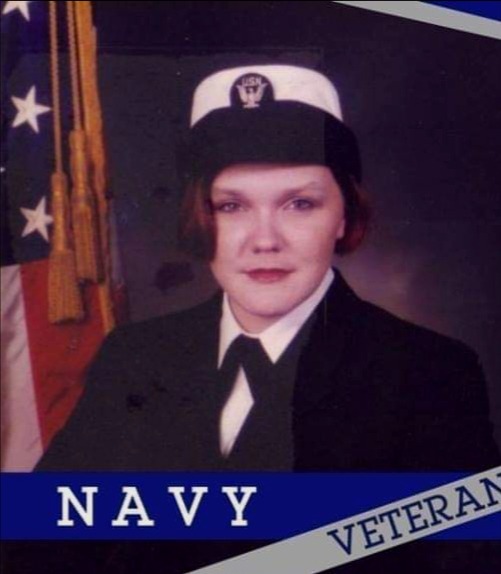
U.S. Navy
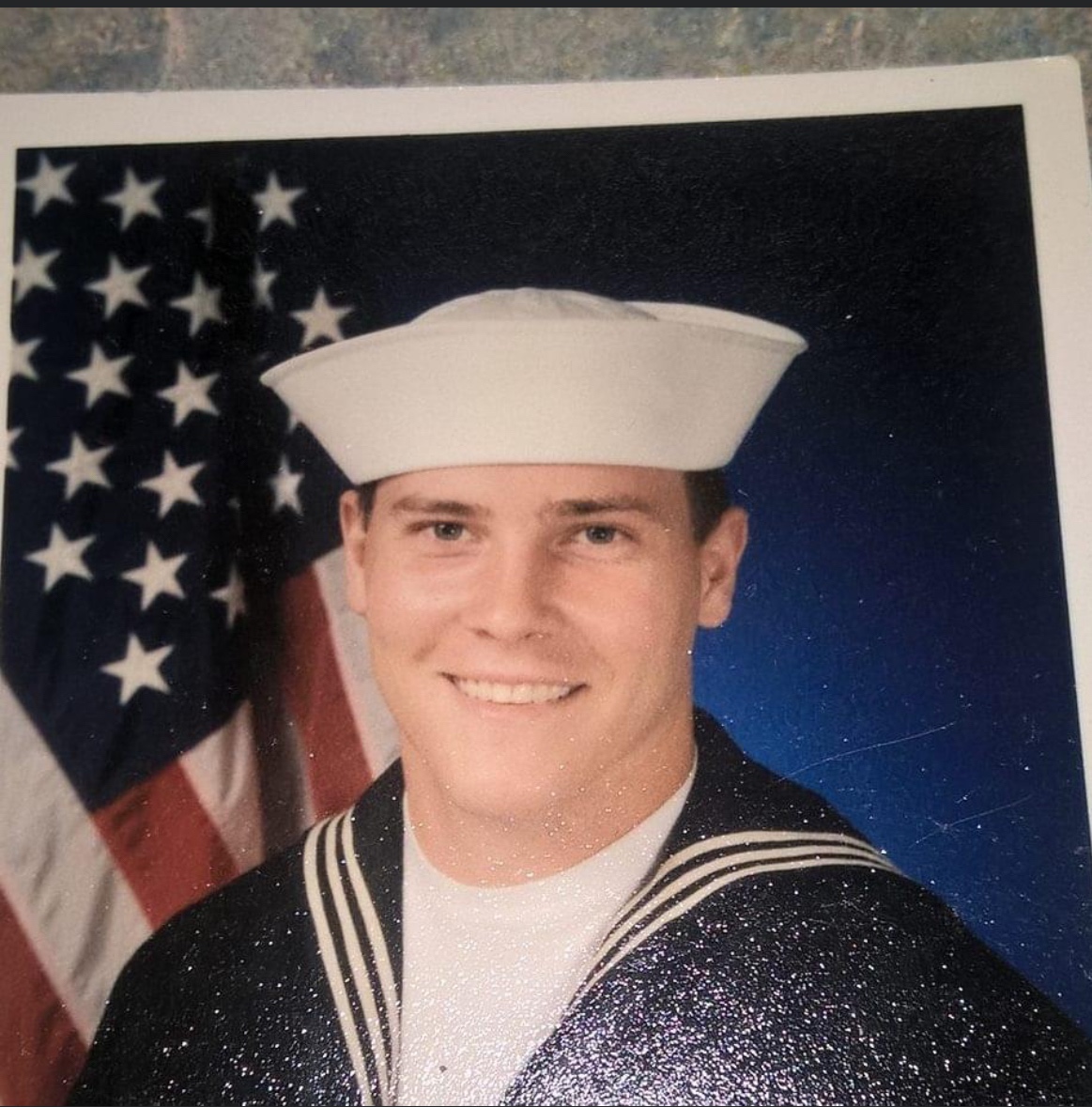
U.S. Navy
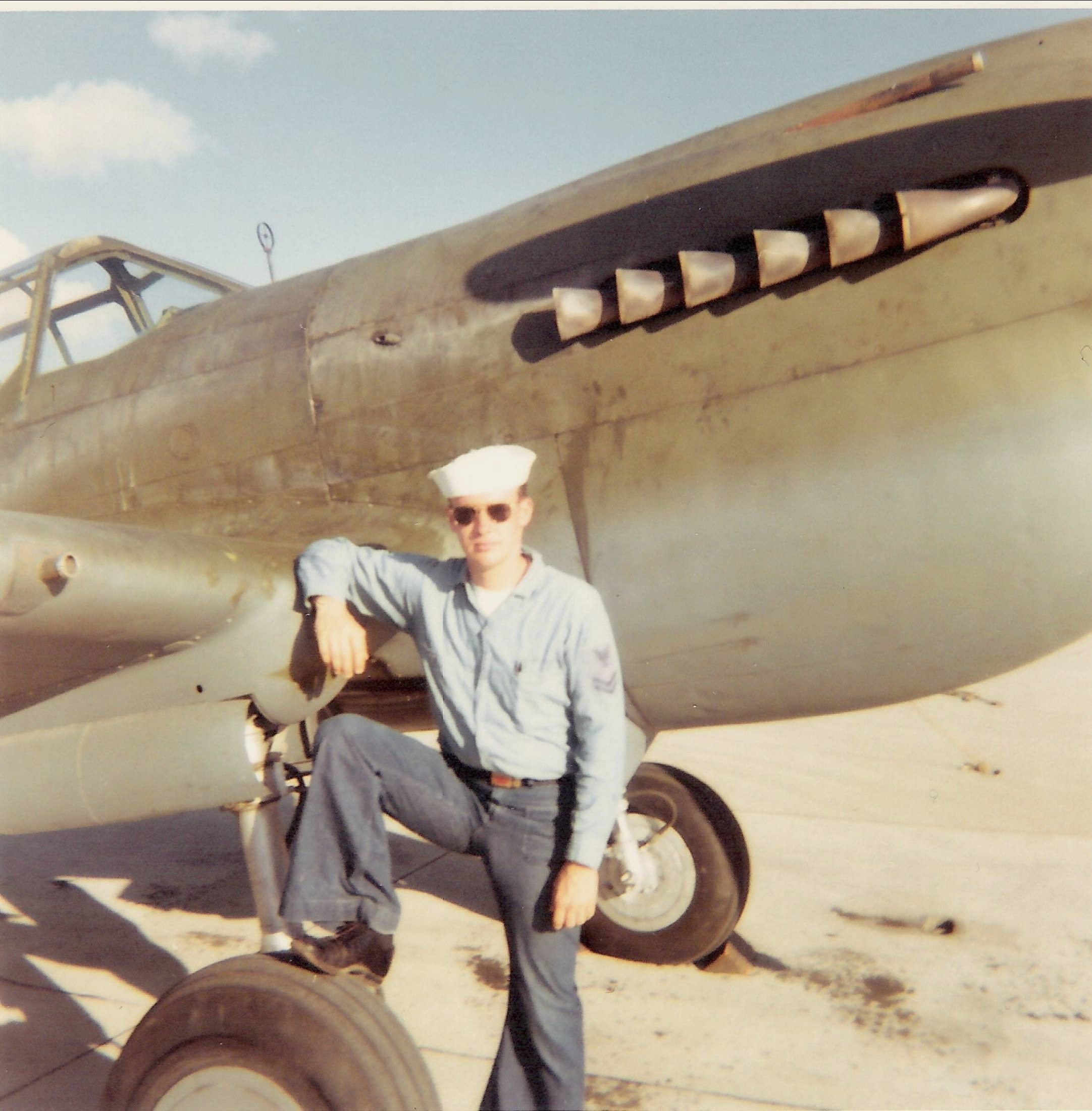
ATTACK SQUADRON VA-87 • U.S. Navy • 1969