
Opening branch overview
Building the branch home surface
Loading branch highlights, featured unit context, and gallery moments.
Overview
Members
Units
Building the branch home surface
Loading branch highlights, featured unit context, and gallery moments.
Building the branch units surface
Loading unit filters, rankings, and the branch unit grid.

5 members•1 unit
Relive and share the memories of your service-time with your brothers and sisters in arms today. VetFriends.com can help you reconnect.
Did you proudly serve in the RVAH-14?
Are you looking for someone who is or was in the RVAH-14?
Do you have RVAH-14 photos you'd like to share?
Then join a community with your brothers and sisters of the RVAH-14.
Branch
U.S. Navy
Members
5
Reconnaissance Attack (Heavy) Squadron 14 (RVAH-14) was a U.S. Navy squadron established on February 14, 1968, at Naval Air Station Sanford, Florida. The squadron operated the RA-5C Vigilante, a carrier-based supersonic reconnaissance aircraft, providing vital photographic intelligence during the Cold War era. RVAH-14 conducted deployments aboard various aircraft carriers, supporting fleet operations and surveillance missions, though it did not participate in combat operations in Vietnam due to its late formation. The squadron was disestablished on May 1, 1974, as part of the Navy's post-war drawdown and the retirement of the RA-5C Vigilante.
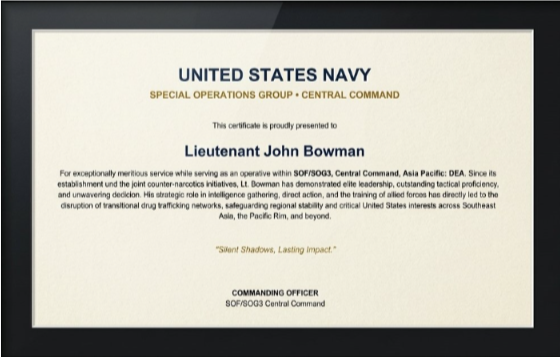
U.S. Navy
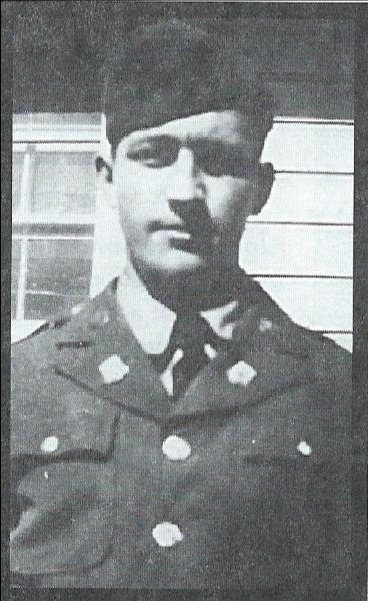
U.S. Navy
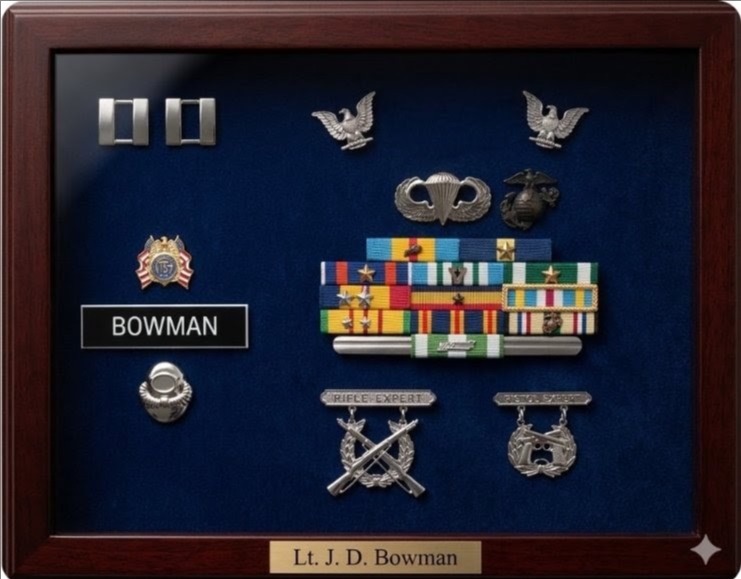
U.S. Navy
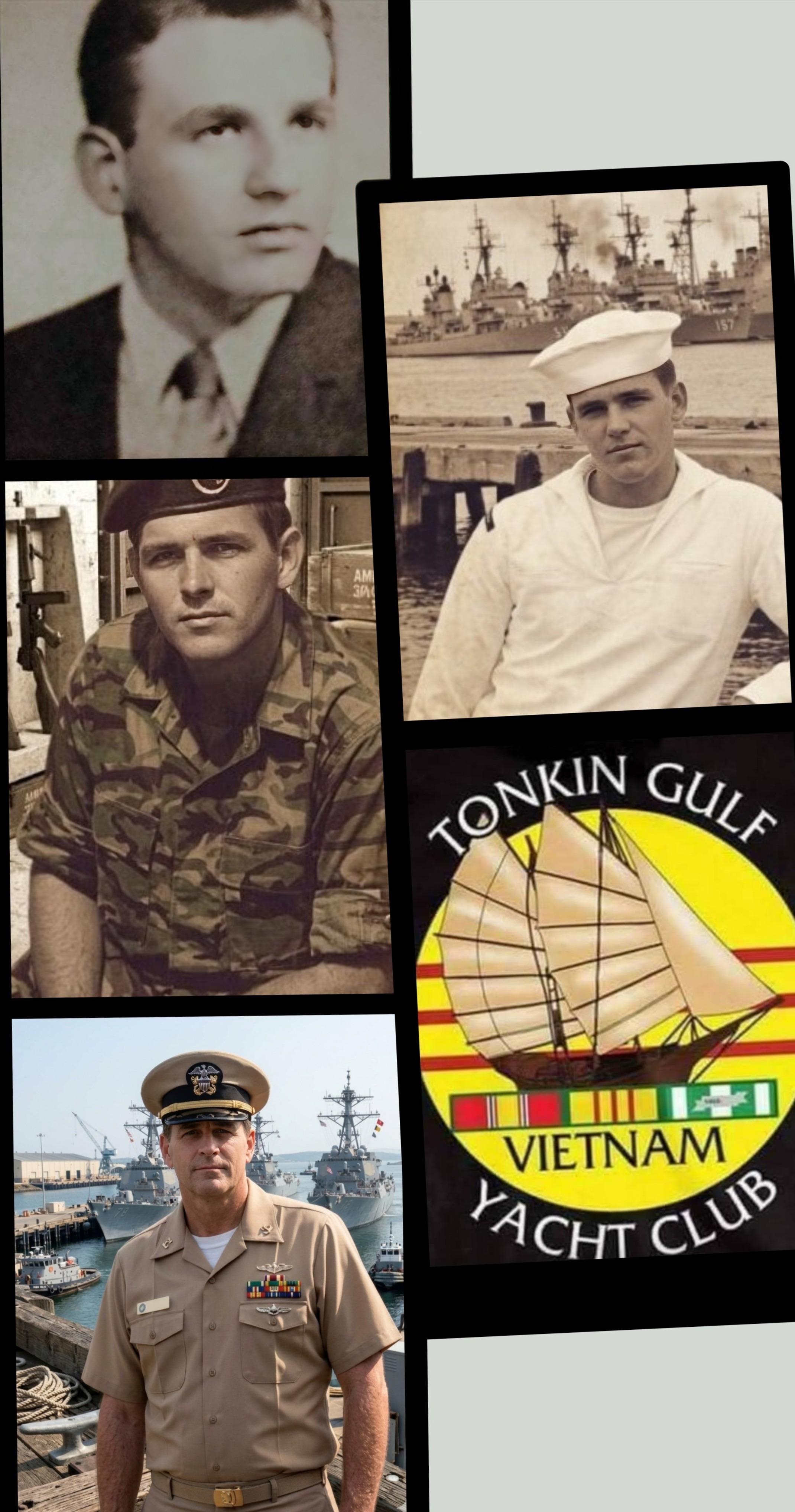
U.S. Navy