
Opening branch overview
Building the branch home surface
Loading branch highlights, featured unit context, and gallery moments.
Overview
Members
Units
Building the branch home surface
Loading branch highlights, featured unit context, and gallery moments.
Building the branch units surface
Loading unit filters, rankings, and the branch unit grid.

10 members•1 unit
Relive and share the memories of your service-time with your brothers and sisters in arms today. VetFriends.com can help you reconnect.
Did you proudly serve in the Rodman Naval Station?
Are you looking for someone who is or was in the Rodman Naval Station?
Do you have Rodman Naval Station photos you'd like to share?
Then join a community with your brothers and sisters of the Rodman Naval Station.
Branch
U.S. Navy
Members
10
Rodman Naval Station was a United States Navy base located on the west bank of the Panama Canal near Balboa, Panama. Established in 1943 during World War II, it served as a key logistical and operational support facility for the U.S. Navy’s Pacific operations, providing repair, resupply, and staging services for ships transiting the canal. Throughout the Cold War, Rodman Naval Station played a crucial role in U.S. strategic interests in Latin America and the protection of the canal. The base was returned to Panama on July 1, 1999, as part of the Torrijos–Carter Treaties, marking the end of over five decades of American military presence at the site.
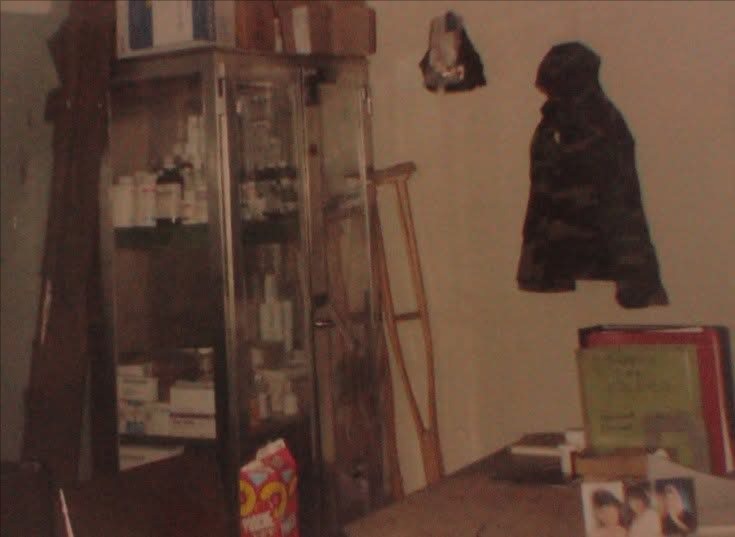
U.S. Navy

U.S. Navy
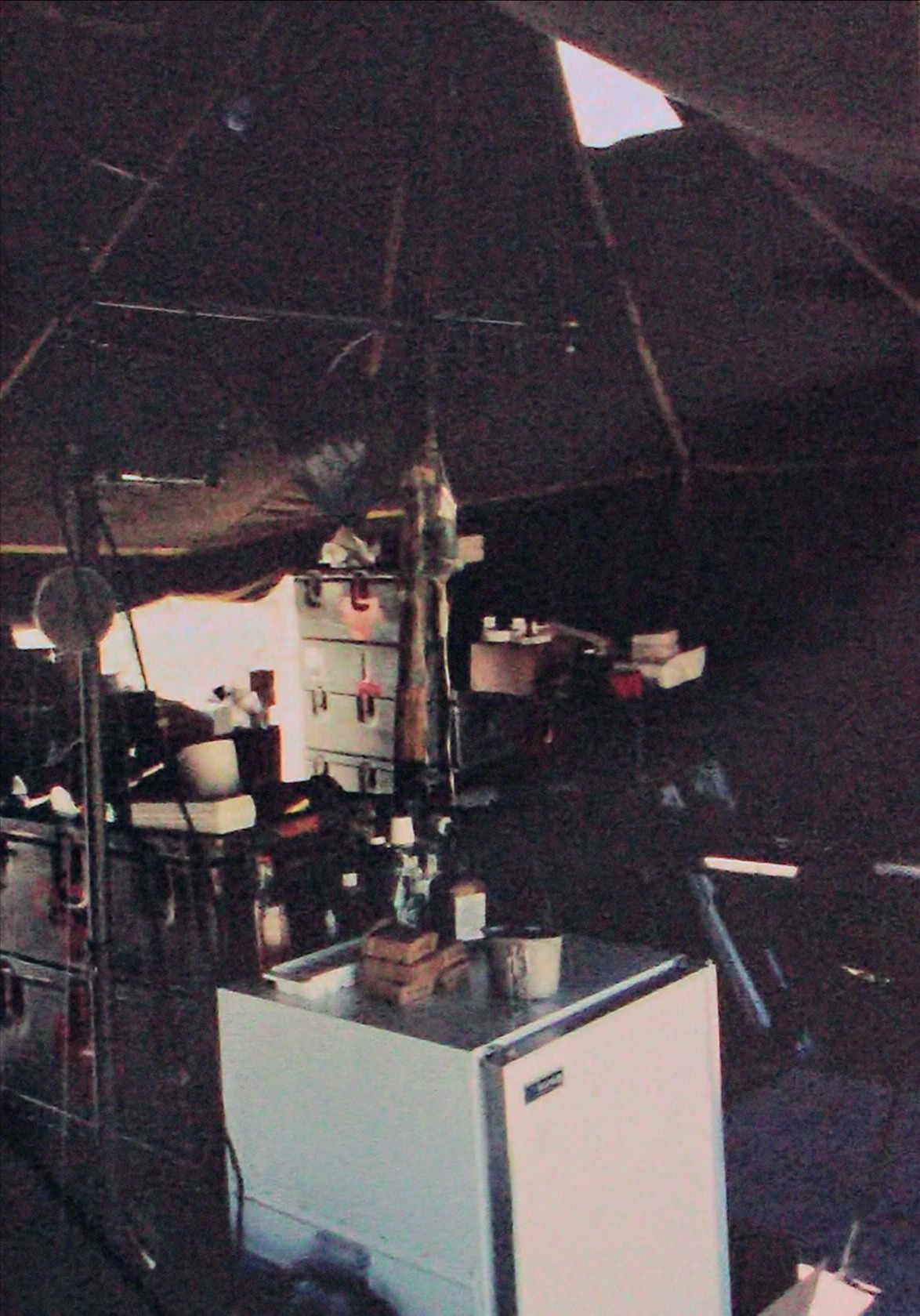
U.S. Navy
U.S. Navy