
Opening branch overview
Building the branch home surface
Loading branch highlights, featured unit context, and gallery moments.
Overview
Members
Units
Building the branch home surface
Loading branch highlights, featured unit context, and gallery moments.
Building the branch units surface
Loading unit filters, rankings, and the branch unit grid.
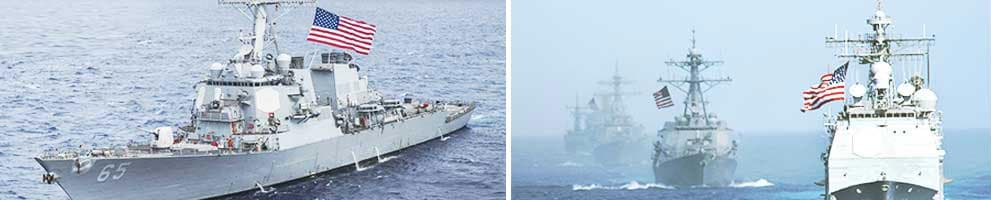
37 members•1 unit
Relive and share the memories of your service-time with your brothers and sisters in arms today. VetFriends.com can help you reconnect.
Did you proudly serve in the PORTSMOUTH NAVAL HOSPITAL?
Are you looking for someone who is or was in the PORTSMOUTH NAVAL HOSPITAL?
Do you have PORTSMOUTH NAVAL HOSPITAL photos you'd like to share?
Then join a community with your brothers and sisters of the PORTSMOUTH NAVAL HOSPITAL.
Branch
U.S. Navy
Members
37
Portsmouth Naval Hospital, officially known as Naval Medical Center Portsmouth (NMCP), is the oldest continuously operating hospital in the U.S. Navy, established in 1827 in Portsmouth, Virginia. Throughout its history, the hospital has served military personnel and their families, providing critical medical care during major conflicts such as the Civil War, World Wars I and II, and subsequent military engagements. During wartime, the hospital expanded its capacity and capabilities, treating thousands of wounded sailors and Marines. Today, NMCP continues its tradition of excellence, serving as a major medical center for the U.S. Navy and a key component of military healthcare on the East Coast.
U.S. Army • 1978
U.S. Marine Corps • 2005