
Opening branch overview
Building the branch home surface
Loading branch highlights, featured unit context, and gallery moments.
Overview
Members
Units
Building the branch home surface
Loading branch highlights, featured unit context, and gallery moments.
Building the branch units surface
Loading unit filters, rankings, and the branch unit grid.

9 members•1 unit
Relive and share the memories of your service-time with your brothers and sisters in arms today. VetFriends.com can help you reconnect.
Did you proudly serve in the Pentagon, Washington D.C.-D.I.A.?
Are you looking for someone who is or was in the Pentagon, Washington D.C.-D.I.A.?
Do you have Pentagon, Washington D.C.-D.I.A. photos you'd like to share?
Then join a community with your brothers and sisters of the Pentagon, Washington D.C.-D.I.A..
Branch
U.S. Navy
Members
9
The Defense Intelligence Agency (DIA), headquartered at the Pentagon in Washington, D.C., was established in 1961 to centralize and coordinate military intelligence efforts for the United States Department of Defense. Over the decades, the DIA has played a pivotal role in providing all-source intelligence analysis, supporting military operations and national security decision-making worldwide. The agency has contributed to major operations, including the Vietnam War, the Gulf War, and the Global War on Terrorism, by delivering critical intelligence support to commanders and policymakers. Today, the DIA remains a cornerstone of the U.S. intelligence community, advancing military intelligence capabilities and safeguarding national interests.
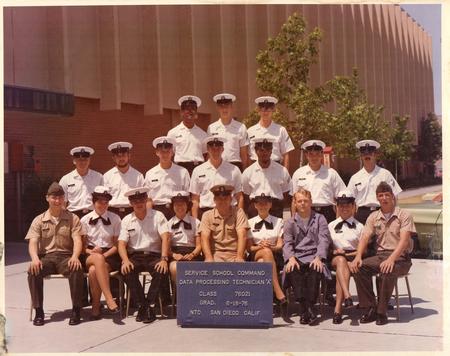
na • U.S. Navy • 1976
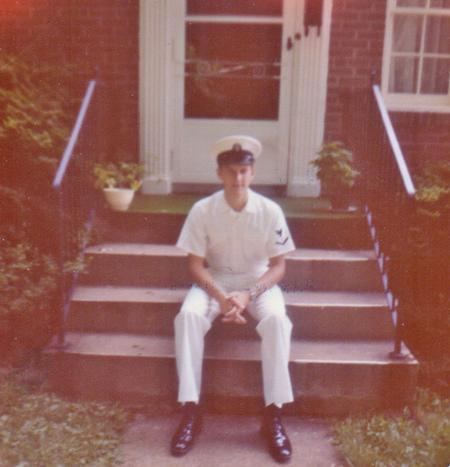
BUPERS/NMPC • U.S. Navy • 1978
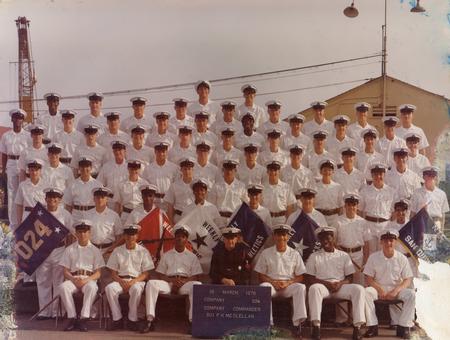
Company 024 • U.S. Navy • 1976