
Opening branch overview
Building the branch home surface
Loading branch highlights, featured unit context, and gallery moments.
Overview
Members
Units
Building the branch home surface
Loading branch highlights, featured unit context, and gallery moments.
Building the branch units surface
Loading unit filters, rankings, and the branch unit grid.

3 members•1 unit
Relive and share the memories of your service-time with your brothers and sisters in arms today. VetFriends.com can help you reconnect.
Did you proudly serve in the Pax river md. Photo lab?
Are you looking for someone who is or was in the Pax river md. Photo lab?
Do you have Pax river md. Photo lab photos you'd like to share?
Then join a community with your brothers and sisters of the Pax river md. Photo lab.
Branch
U.S. Navy
Members
3
The Photo Lab at Naval Air Station Patuxent River (Pax River), Maryland, has played a crucial role in supporting U.S. Navy aviation and research since World War II. Established alongside the base in 1943, the Photo Lab provided essential photographic services for flight testing, aerial reconnaissance, and technical documentation. Over the decades, its personnel have captured and processed imagery for experimental aircraft, weapons systems, and naval operations, contributing to technological advancements and mission success. Today, the Photo Lab continues its legacy by supporting test and evaluation activities at one of the Navy’s premier research and development centers.
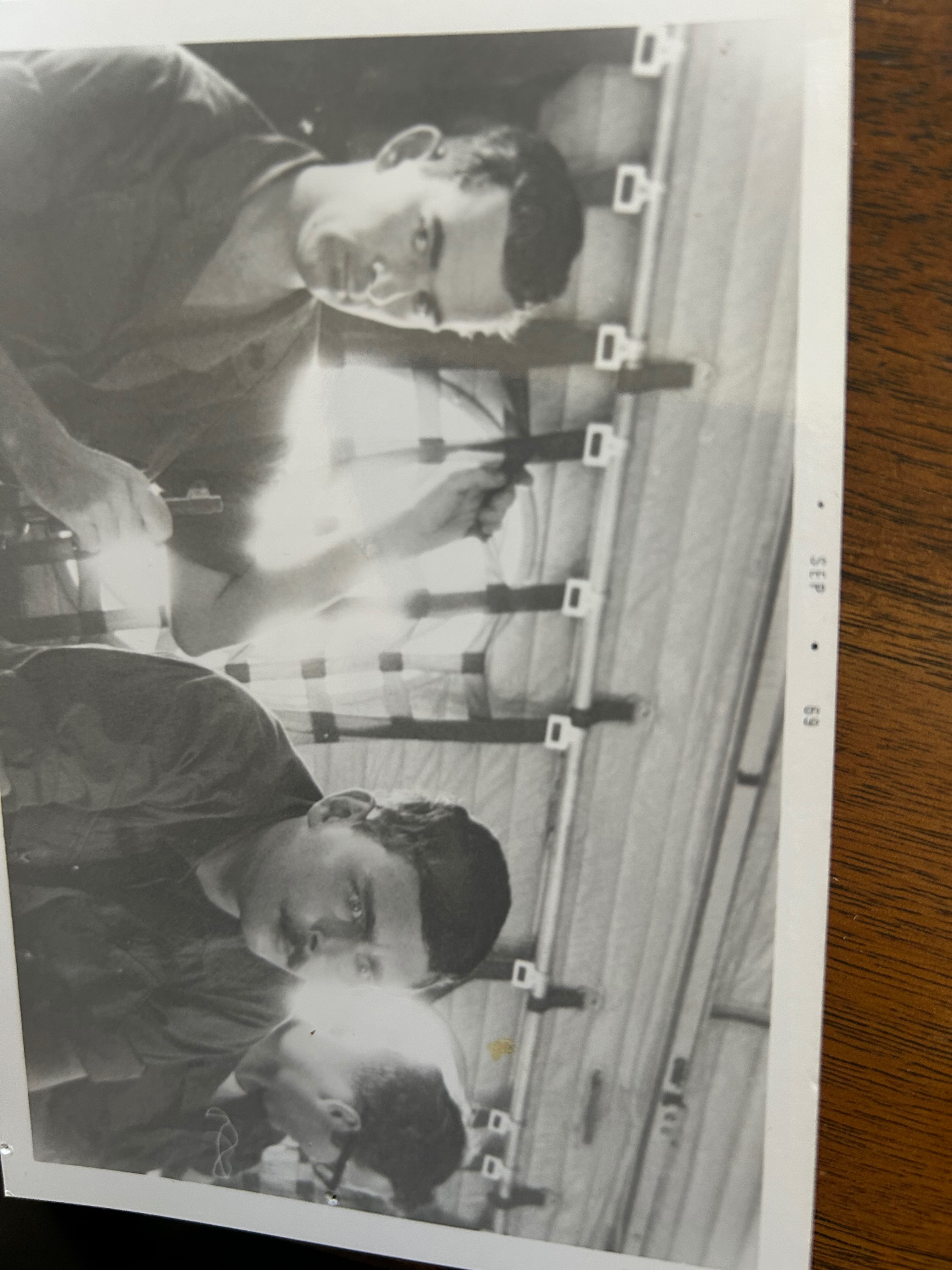
MILPHAP N-4 • U.S. Navy • 1968
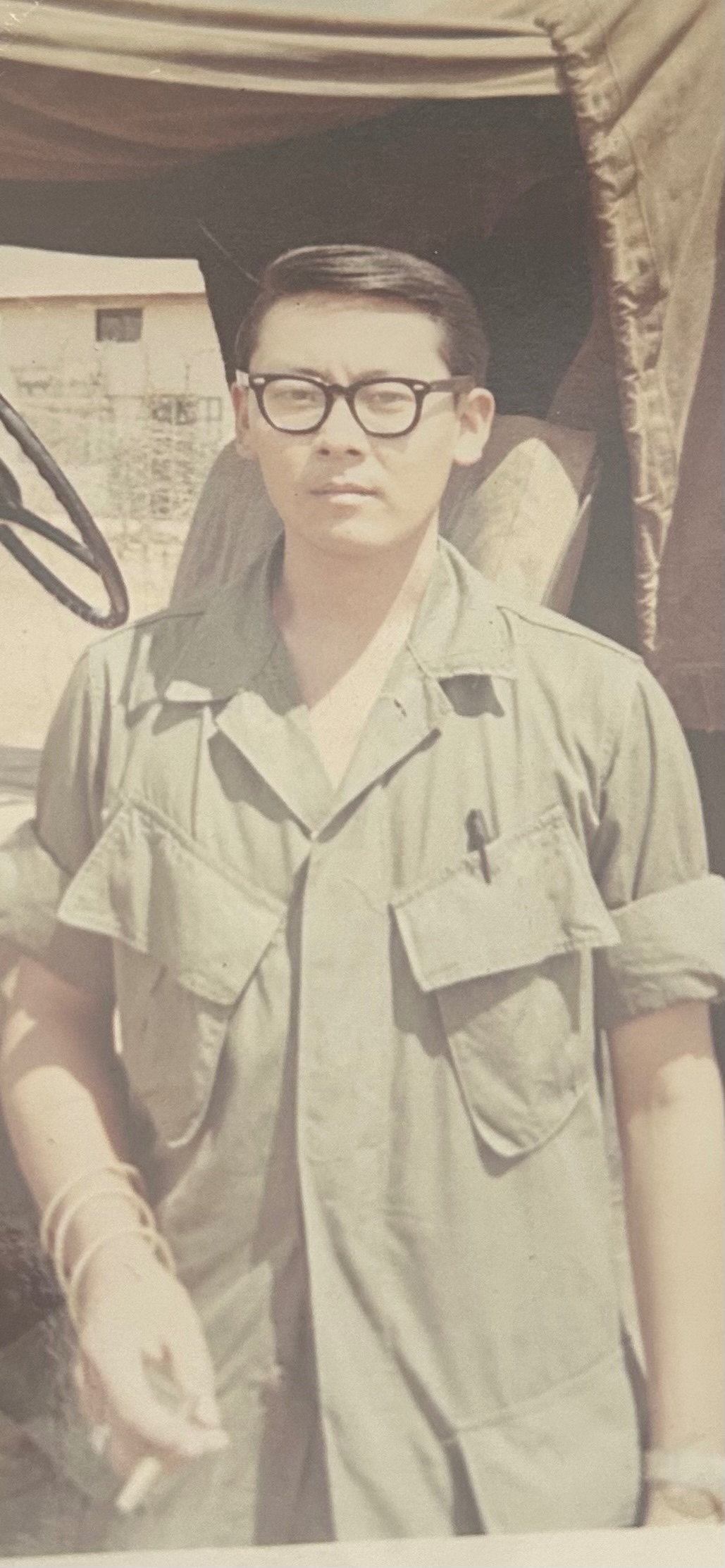
MILPHAP N-4 • U.S. Navy • 1968
U.S. Navy • 1968
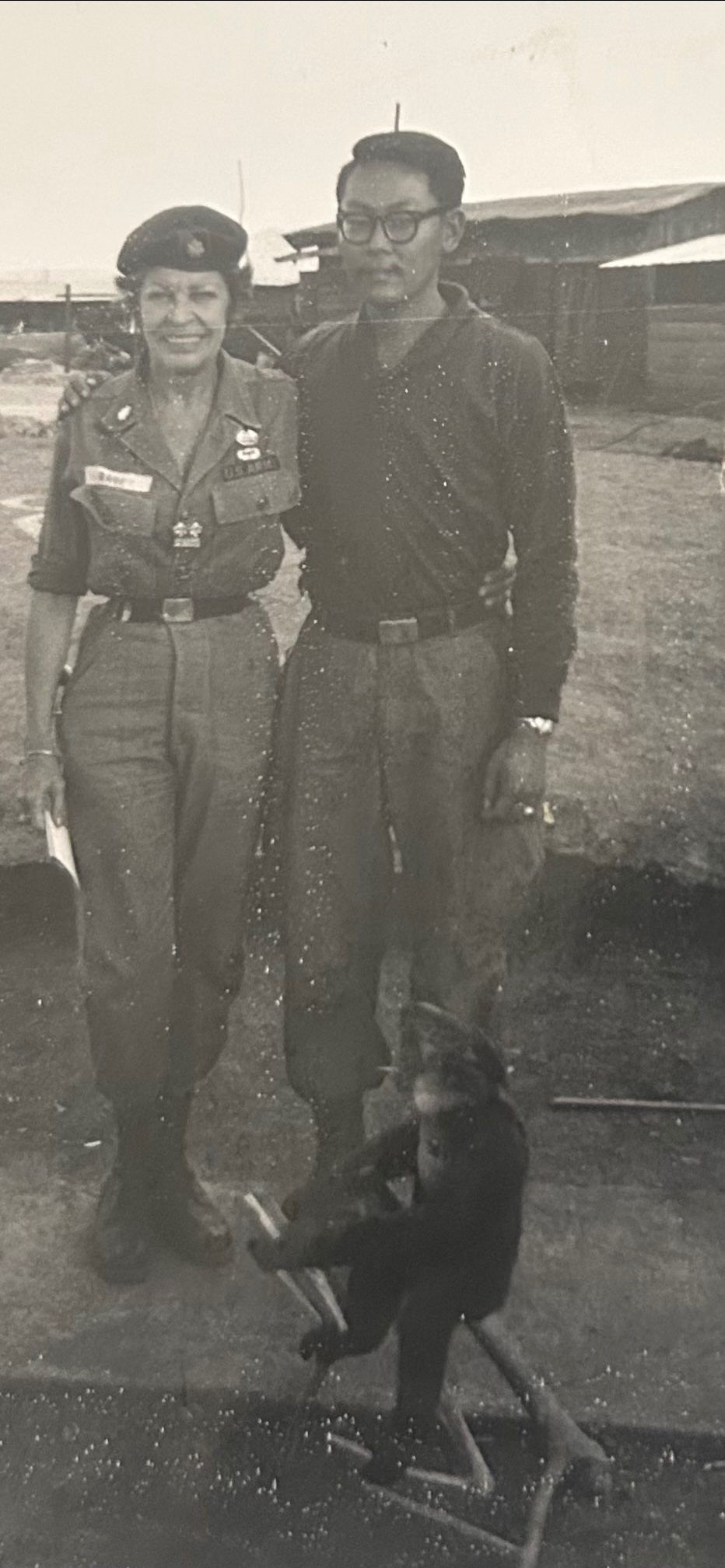
U.S. Navy • 1968