
Opening branch overview
Building the branch home surface
Loading branch highlights, featured unit context, and gallery moments.
Overview
Members
Units
Building the branch home surface
Loading branch highlights, featured unit context, and gallery moments.
Building the branch units surface
Loading unit filters, rankings, and the branch unit grid.
37 members•1 unit
Relive and share the memories of your service-time with your brothers and sisters in arms today. VetFriends.com can help you reconnect.
Did you proudly serve in the PAMIPacfleet.?
Are you looking for someone who is or was in the PAMIPacfleet.?
Do you have PAMIPacfleet. photos you'd like to share?
Then join a community with your brothers and sisters of the PAMIPacfleet..
Branch
U.S. Navy
Members
37
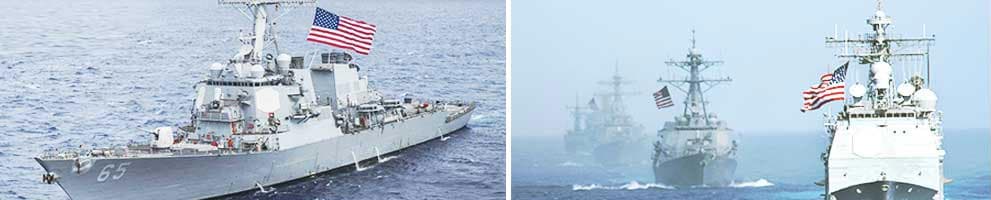
PAMIPacfleet, short for Pacific Fleet of the Philippine Amphibious and Maritime Interdiction Patrol, was established in 2002 to strengthen maritime security across the Philippine archipelago. The unit specializes in amphibious operations, maritime interdiction, and rapid response to seaborne threats, often collaborating with regional allies in joint exercises. Over the years, PAMIPacfleet has played a critical role in counter-piracy missions, anti-smuggling operations, and disaster response, particularly in the South China Sea and Sulu Sea. Its strategic presence has significantly contributed to safeguarding Philippine maritime interests and enhancing regional stability.

U.S. Navy • 1987
U.S. Navy • 1979
U.S. Navy

VP Squadrons • U.S. Navy • 2024