
Opening branch overview
Building the branch home surface
Loading branch highlights, featured unit context, and gallery moments.
Overview
Members
Units
Building the branch home surface
Loading branch highlights, featured unit context, and gallery moments.
Building the branch units surface
Loading unit filters, rankings, and the branch unit grid.

26 members•1 unit
Relive and share the memories of your service-time with your brothers and sisters in arms today. VetFriends.com can help you reconnect.
Did you proudly serve in the Pacific Reserve Fleet, Long Beach?
Are you looking for someone who is or was in the Pacific Reserve Fleet, Long Beach?
Do you have Pacific Reserve Fleet, Long Beach photos you'd like to share?
Then join a community with your brothers and sisters of the Pacific Reserve Fleet, Long Beach.
Branch
U.S. Navy
Members
26
The Pacific Reserve Fleet, Long Beach, was established after World War II as part of the U.S. Navy's network of reserve fleets, commonly known as "mothball fleets." Located at the Long Beach Naval Shipyard in California, it served as a storage site for decommissioned and surplus naval vessels, preserving them for possible future reactivation during times of crisis, such as the Korean and Vietnam Wars. At its peak, the fleet housed dozens of ships, including battleships, cruisers, destroyers, and auxiliary vessels. The reserve fleet gradually diminished in size as ships were either scrapped, sold, or reactivated, and the Long Beach site eventually closed in the 1990s as part of post-Cold War military reductions.

1ST MEDICAL BATTALION • U.S. Navy • 1983
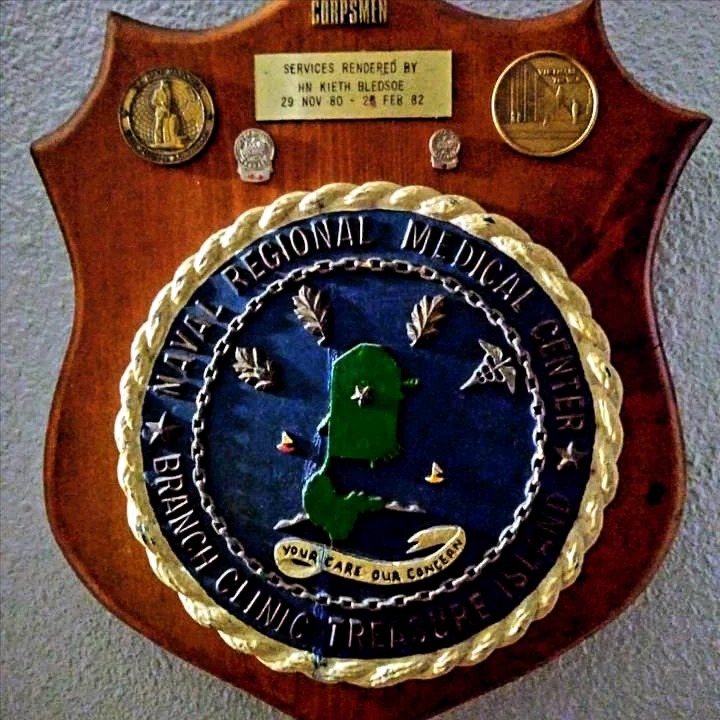
NAVAL REGIONAL MEDICAL CENTER OAKLAND, CA • U.S. Navy • 1980
U.S. Navy
U.S. Navy