
Opening branch overview
Building the branch home surface
Loading branch highlights, featured unit context, and gallery moments.
Overview
Members
Units
Building the branch home surface
Loading branch highlights, featured unit context, and gallery moments.
Building the branch units surface
Loading unit filters, rankings, and the branch unit grid.

1 members•1 unit
Relive and share the memories of your service-time with your brothers and sisters in arms today. VetFriends.com can help you reconnect.
Did you proudly serve in the OMD?
Are you looking for someone who is or was in the OMD?
Do you have OMD photos you'd like to share?
Then join a community with your brothers and sisters of the OMD.
Branch
U.S. Navy
Members
1
Certainly! However, "OMD" could refer to different military units depending on the country and context. If you are referring to the "Ordnance Maintenance Depot" (OMD), here is a brief history: The Ordnance Maintenance Depot (OMD) was established during World War II to support the logistical needs of frontline combat units by providing repair, maintenance, and supply of critical ordnance equipment. Throughout its history, OMD played a vital role in ensuring operational readiness, from servicing artillery pieces and armored vehicles to managing the distribution of ammunition. Its highly trained technicians and support staff often operated near combat zones, quickly restoring damaged equipment and keeping military operations running smoothly. Over the decades, OMD evolved with technological advancements, becoming a cornerstone of modern military logistics and support infrastructure. If you meant a different "OMD," please provide more details!
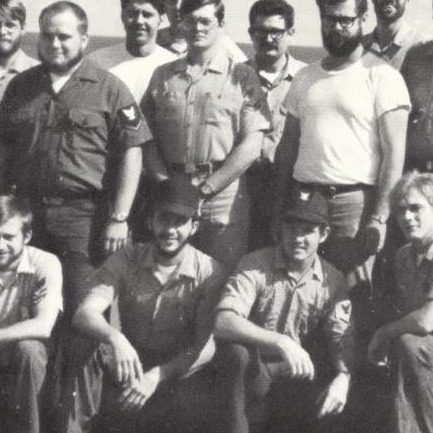
USS David R Ray (DD-971) • U.S. Navy • 1979
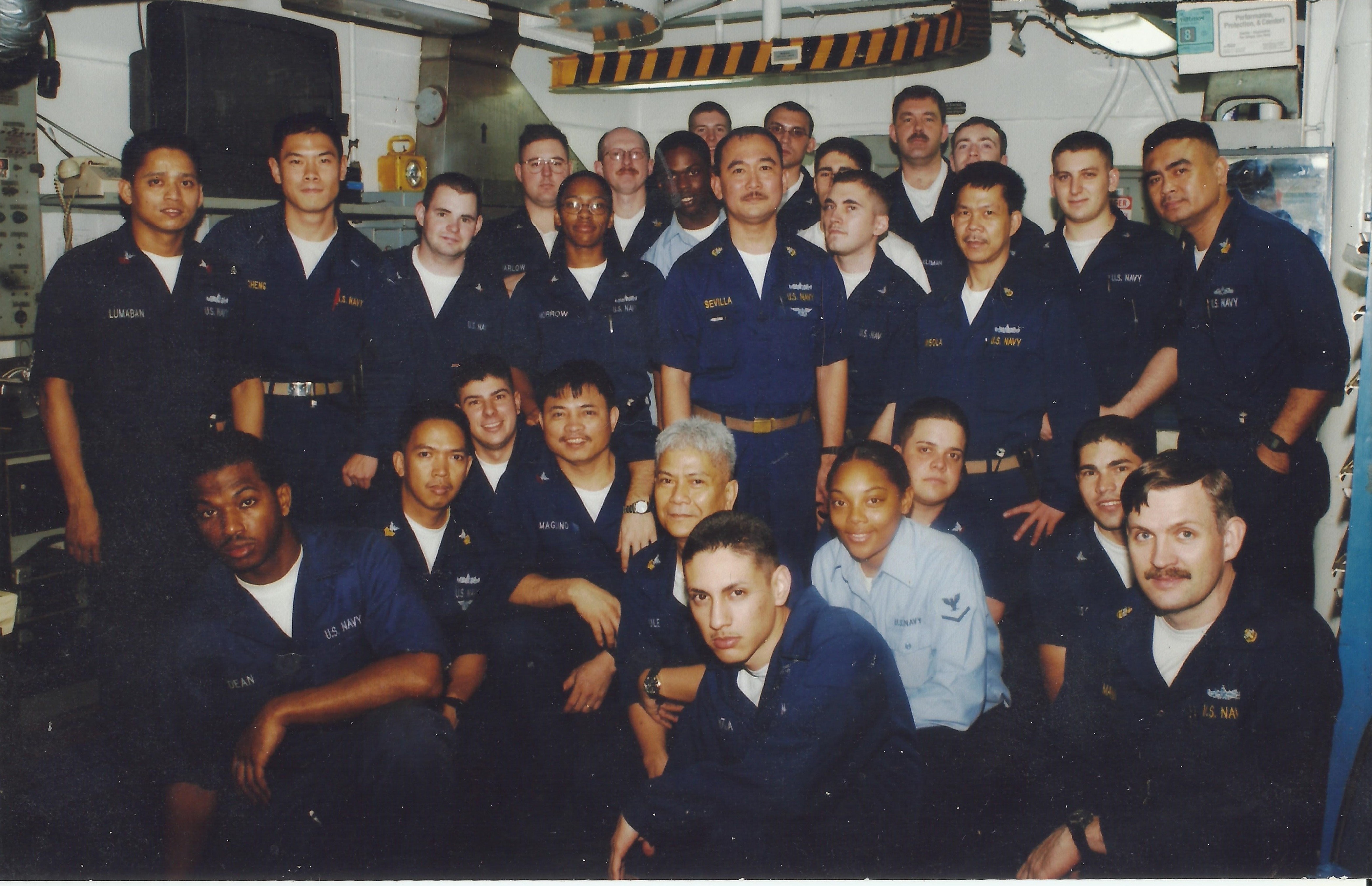
USS Carl Vinson • U.S. Navy • 2004
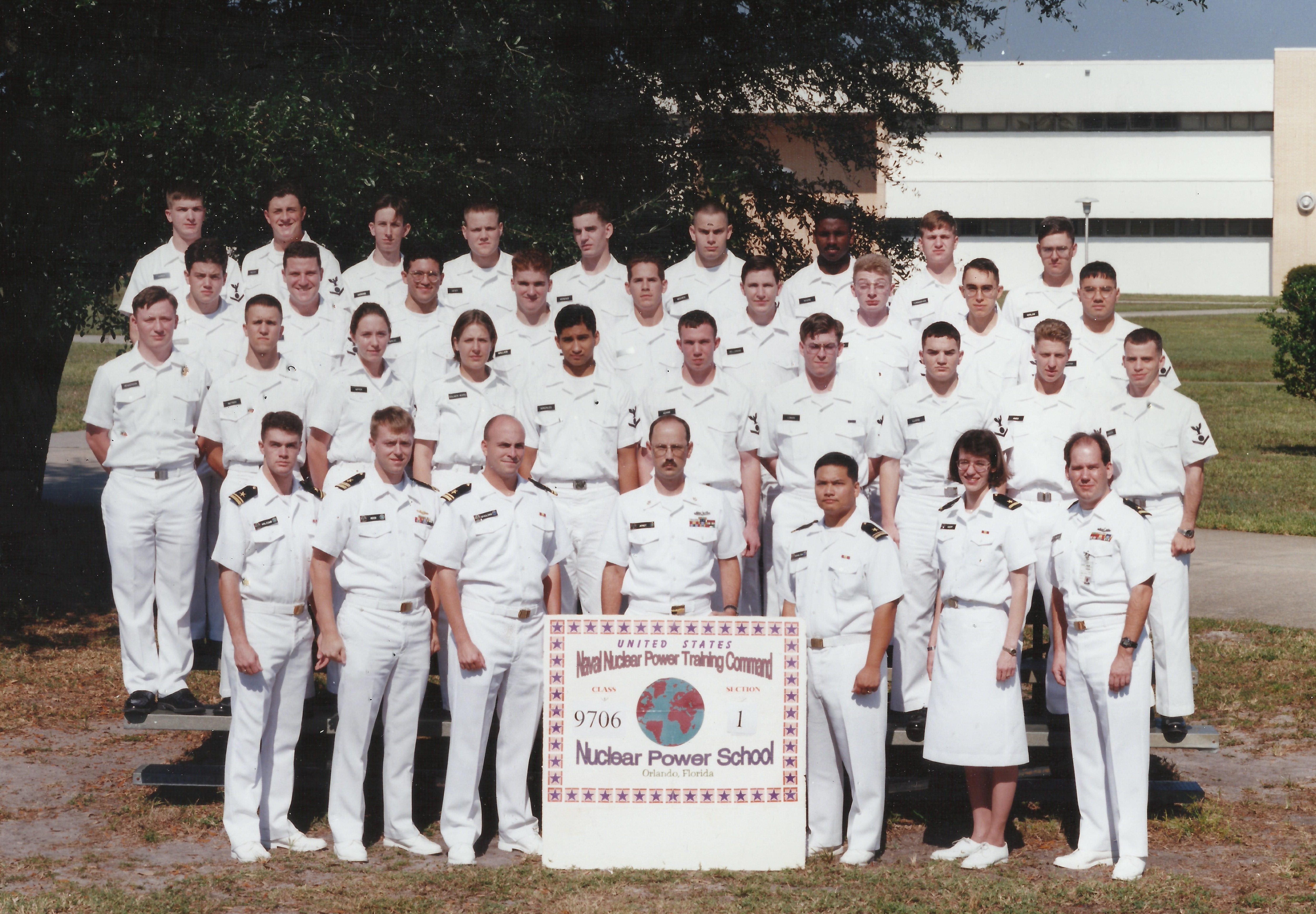
U.S. Navy • 1997
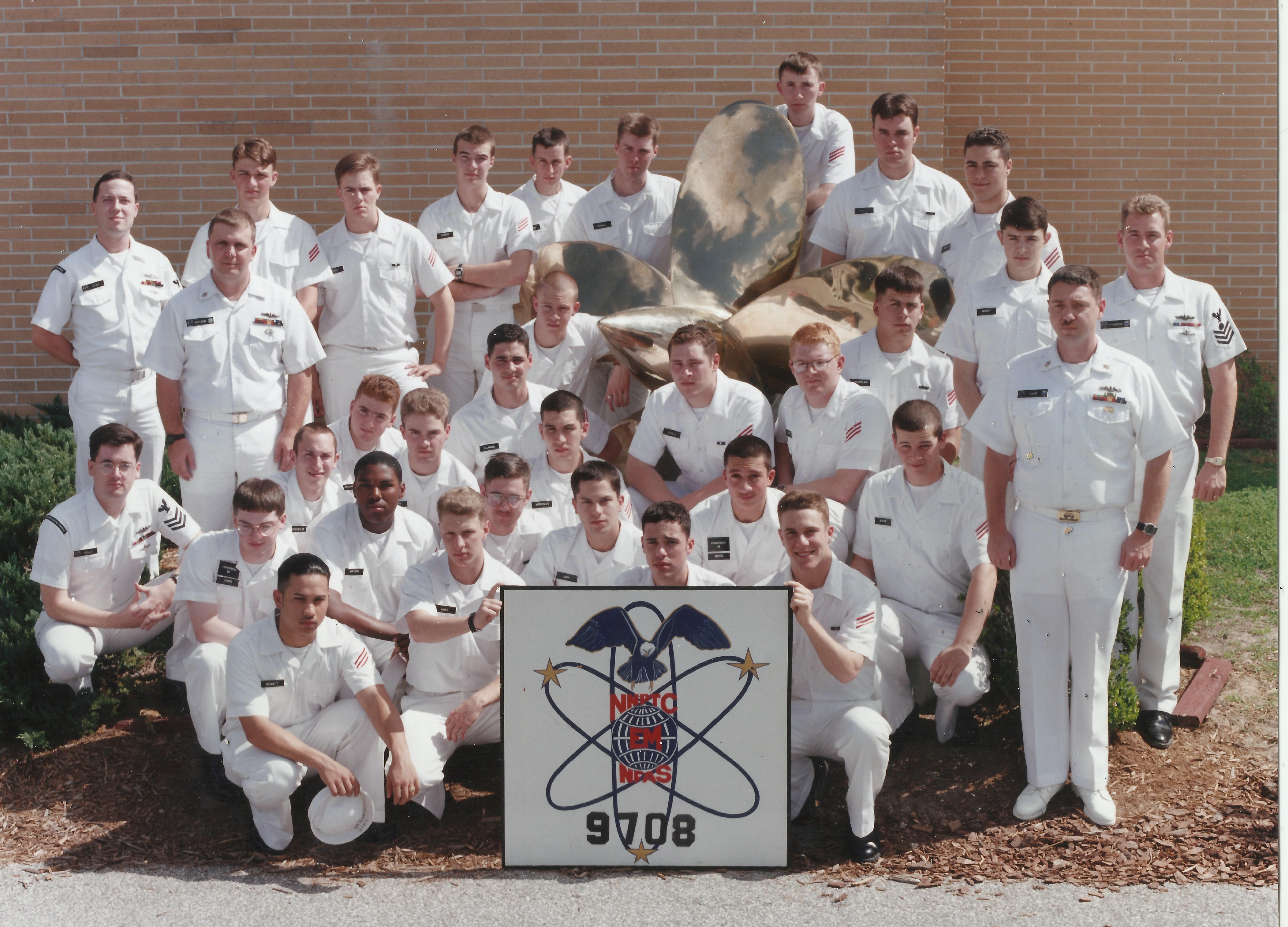
U.S. Navy • 1995