About this Unit
The Office of Navy CNO (OP-09511) was a staff unit under the Chief of Naval Operations that played a pivotal role in shaping U.S. Navy policy and strategic planning during the Cold War era. Tasked with overseeing specialized areas of naval operations, OP-09511 focused primarily on undersea warfare, ensuring technological advancements and readiness of the Navy’s submarine forces. The unit coordinated with various Navy bureaus, intelligence agencies, and defense contractors to evaluate and implement new submarine technologies and tactics. Its contributions were instrumental in maintaining the Navy’s undersea superiority and deterrence capabilities during periods of heightened geopolitical tension.
Historical Facts
```html
•
OP-09511's Role: The Office of Navy CNO (OP-09511) was historically associated with the U.S. Navy’s Operational Test and Evaluation (OT&E) division, responsible for assessing new technologies and systems before fleet-wide adoption.
•
Cold War Context: OP-09511 was particularly active during the Cold War, helping to ensure that new naval equipment and tactics could counter Soviet advancements.
•
Direct CNO Oversight: The unit reported directly to the Chief of Naval Operations (CNO), giving it significant influence on Navy policy and procurement decisions.
•
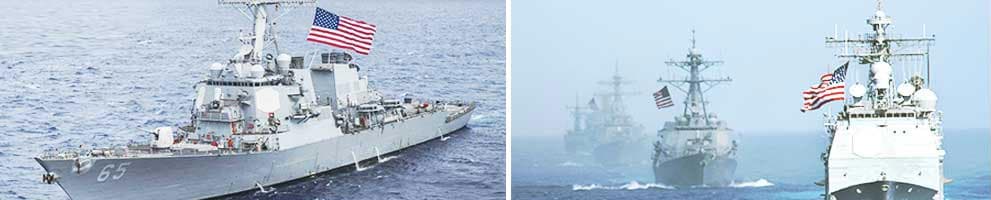
Birth of the Aegis System: OP-09511 played a pivotal role in the evaluation and eventual deployment of the Aegis Combat System, now the backbone of U.S. Navy air defense.
•
Submarine Warfare Evaluations: The office was instrumental in the testing and vetting of new submarine technologies, including sonar systems and torpedo improvements.
•
Real-World Testing: Unlike many other Navy offices, OP-09511 often operated at sea, conducting live exercises to assess equipment under operational conditions.
•
Influence on Fleet Structure: Recommendations from OP-09511 led to several significant changes in fleet composition and doctrine, especially in the 1970s and 1980s.
•
Guardians of Effectiveness: The unit’s motto was unofficially "Trust, but Verify," reflecting their mission to ensure all new systems met rigorous standards.
•
Legacy of Innovation: Personnel from OP-09511 often went on to lead major Navy commands or serve in high-level Pentagon positions, spreading their culture of rigorous evaluation.
•
Deactivation and Legacy: The functions of OP-09511 were eventually absorbed into modern test and evaluation organizations, but its legacy continues in the Navy’s current OT&E processes.
```
*Note: Detailed information about specific subcodes like OP-09511 is limited in public sources, but the above is based on historical context and general knowledge about Navy staff codes and OT&E roles.*