
Opening branch overview
Building the branch home surface
Loading branch highlights, featured unit context, and gallery moments.
Overview
Members
Units
Building the branch home surface
Loading branch highlights, featured unit context, and gallery moments.
Building the branch units surface
Loading unit filters, rankings, and the branch unit grid.

37 members•1 unit
Relive and share the memories of your service-time with your brothers and sisters in arms today. VetFriends.com can help you reconnect.
Did you proudly serve in the Oak Knoll Naval Hospital?
Are you looking for someone who is or was in the Oak Knoll Naval Hospital?
Do you have Oak Knoll Naval Hospital photos you'd like to share?
Then join a community with your brothers and sisters of the Oak Knoll Naval Hospital.
Branch
U.S. Navy
Members
37
Oak Knoll Naval Hospital, located in Oakland, California, was commissioned in 1942 to provide medical care for Navy personnel during World War II. Throughout the war, and later during the Korean and Vietnam Wars, the hospital played a crucial role in treating wounded servicemembers returning from the Pacific theater and Asia. The facility expanded over the decades, becoming a major center for medical research and rehabilitation within the U.S. Navy. Oak Knoll was officially closed in 1996 under the Base Realignment and Closure (BRAC) program, ending over 50 years of military medical service.

U.S. Navy • 1962
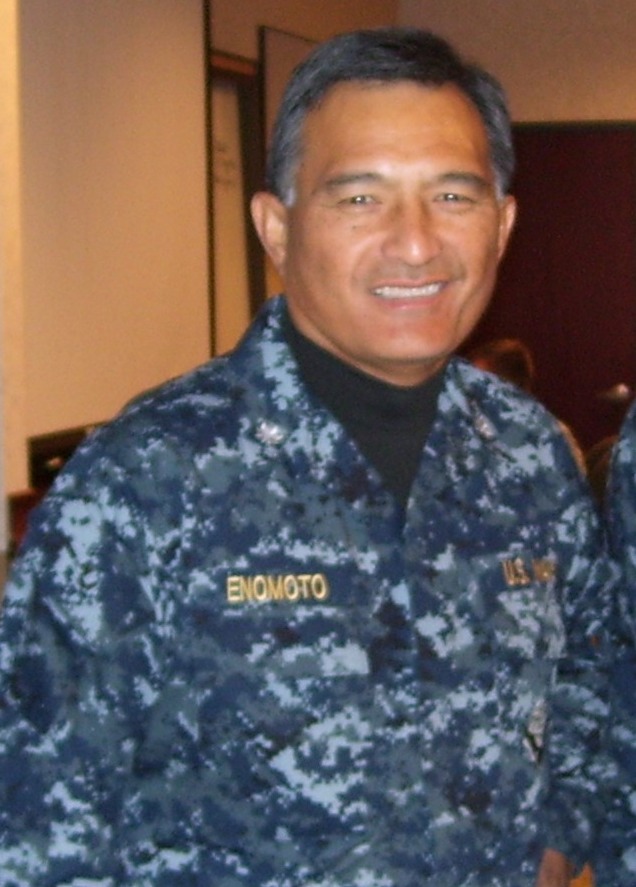
U.S. Navy • 2010

VFA-113 Stingers • U.S. Navy • 1985

VFA-113 Stingers • U.S. Navy • 1985