
Opening branch overview
Building the branch home surface
Loading branch highlights, featured unit context, and gallery moments.
Overview
Members
Units
Building the branch home surface
Loading branch highlights, featured unit context, and gallery moments.
Building the branch units surface
Loading unit filters, rankings, and the branch unit grid.

6 members•1 unit
Relive and share the memories of your service-time with your brothers and sisters in arms today. VetFriends.com can help you reconnect.
Did you proudly serve in the NSA Argentia, New Foundland?
Are you looking for someone who is or was in the NSA Argentia, New Foundland?
Do you have NSA Argentia, New Foundland photos you'd like to share?
Then join a community with your brothers and sisters of the NSA Argentia, New Foundland.
Branch
U.S. Navy
Members
6
NSA Argentia, located in Newfoundland, was established during World War II as a strategic United States naval base under the 1940 Destroyers for Bases Agreement with the United Kingdom. Officially commissioned in 1941, the base played a crucial role in North Atlantic convoy protection, anti-submarine warfare, and served as a key assembly point for Allied naval operations. NSA Argentia also hosted the historic Atlantic Conference in August 1941, where President Franklin D. Roosevelt and Prime Minister Winston Churchill formulated the Atlantic Charter. The base remained active throughout the Cold War, supporting submarine detection and communications, until its closure in 1994.
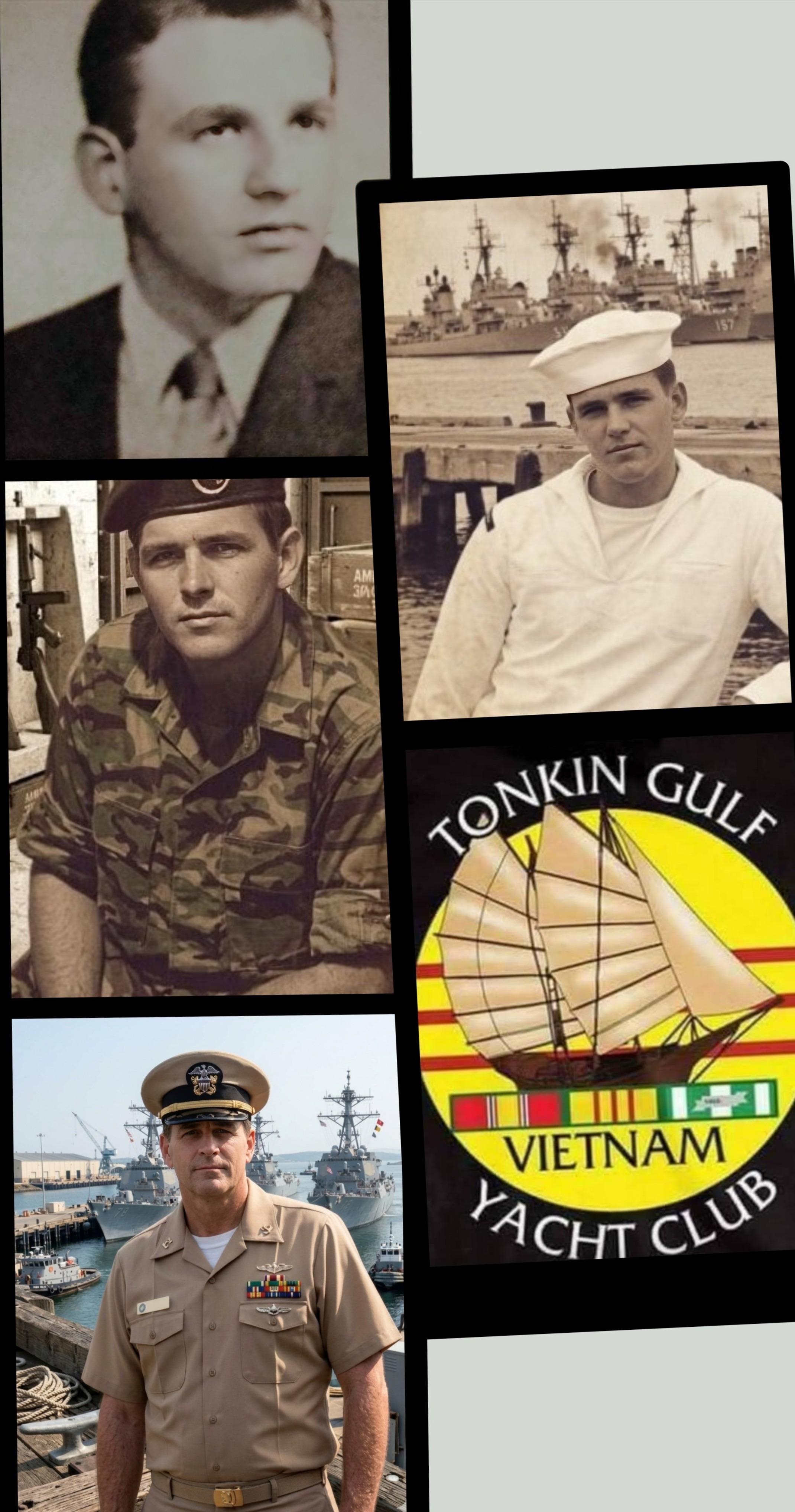
U.S. Navy
U.S. Navy
USS Enterprise • U.S. Navy • 1943
1ST MEDICAL BATTALION • U.S. Navy • 1983