
Opening branch overview
Building the branch home surface
Loading branch highlights, featured unit context, and gallery moments.
Overview
Members
Units
Building the branch home surface
Loading branch highlights, featured unit context, and gallery moments.
Building the branch units surface
Loading unit filters, rankings, and the branch unit grid.

1 members•1 unit
Relive and share the memories of your service-time with your brothers and sisters in arms today. VetFriends.com can help you reconnect.
Did you proudly serve in the NRS Florence?
Are you looking for someone who is or was in the NRS Florence?
Do you have NRS Florence photos you'd like to share?
Then join a community with your brothers and sisters of the NRS Florence.
Branch
U.S. Navy
Members
1
Naval Radio Station (NRS) Florence was a Canadian military communications facility located near Florence, Nova Scotia. Established during the Second World War, NRS Florence played a vital role in intercepting and relaying naval radio traffic, supporting Allied anti-submarine operations in the Atlantic. The station operated as part of a network of signals intelligence sites managed by the Royal Canadian Navy. After the war, advances in technology and changing strategic needs led to its closure in the late 1940s.
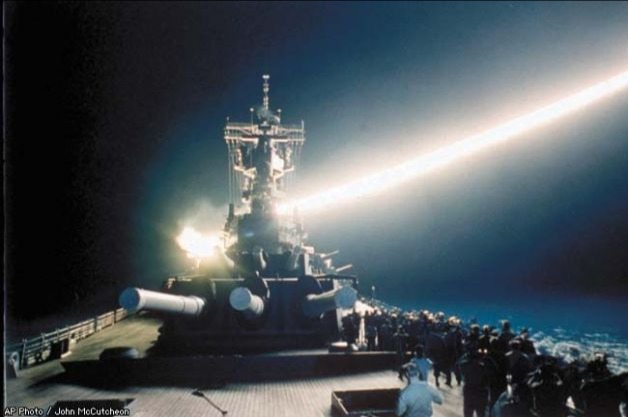
U.S. Navy • 1991
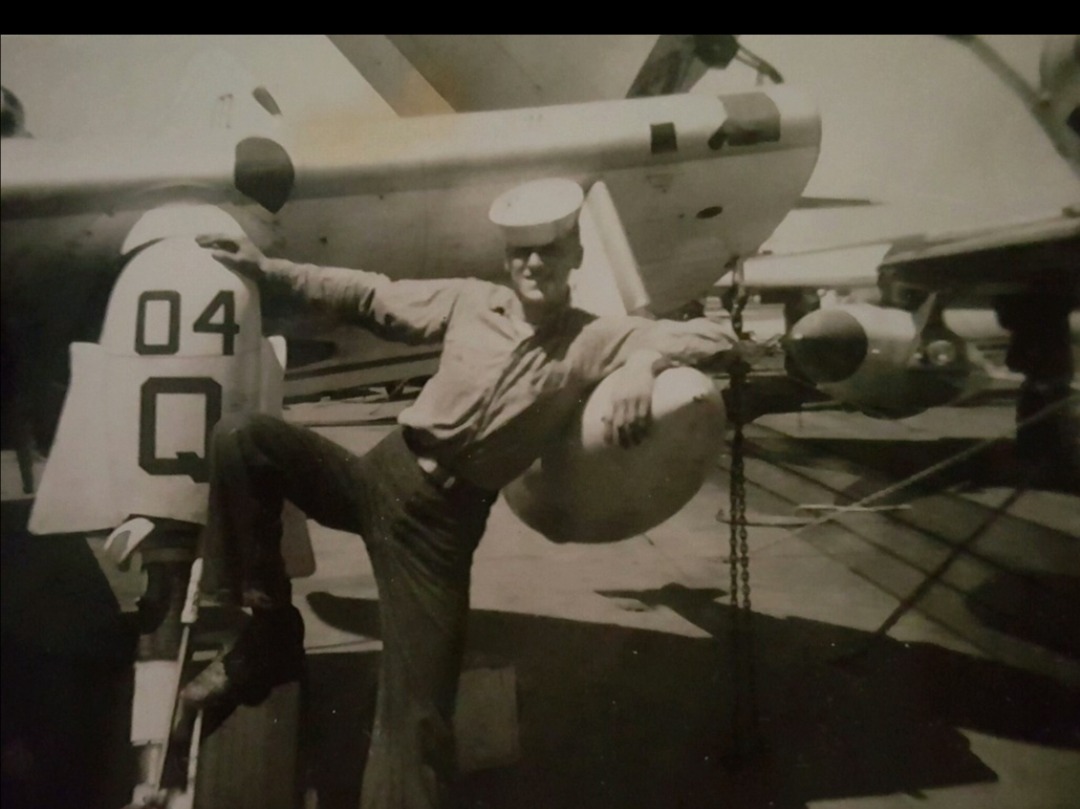
U.S. Navy
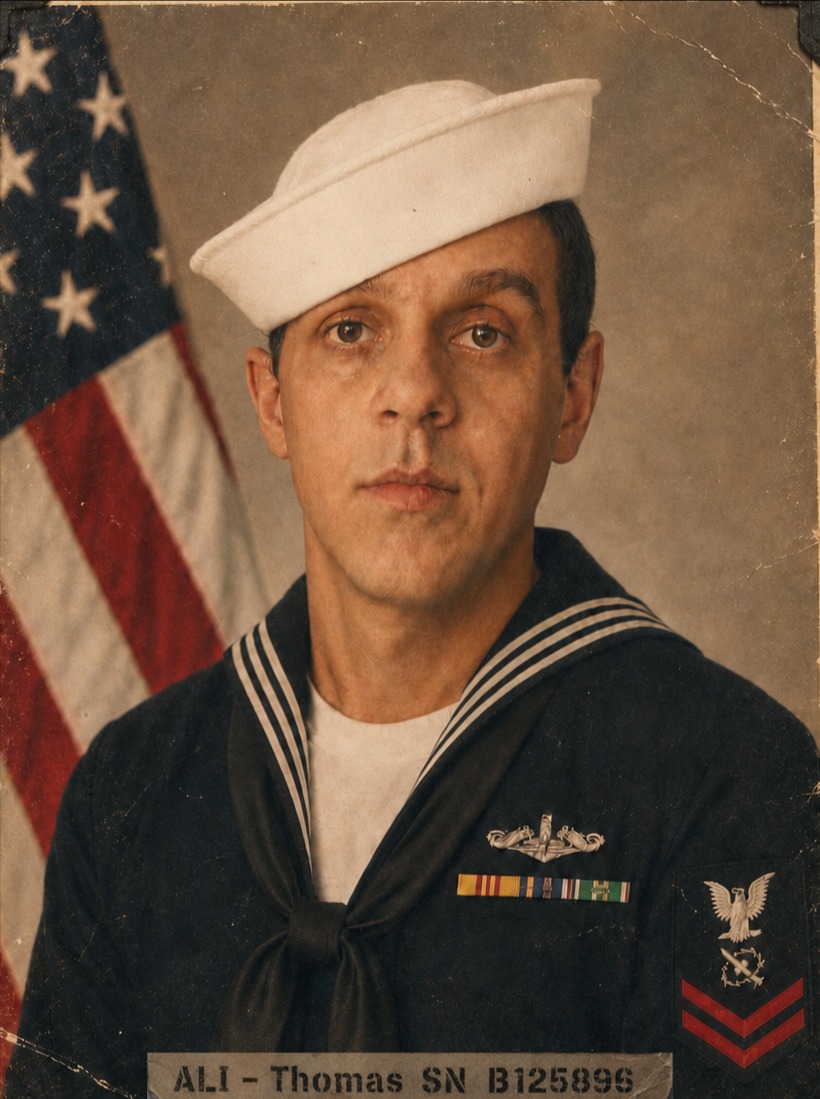
WEAPONS • U.S. Navy • 1968

U.S. Navy