
Opening branch overview
Building the branch home surface
Loading branch highlights, featured unit context, and gallery moments.
Overview
Members
Units
Building the branch home surface
Loading branch highlights, featured unit context, and gallery moments.
Building the branch units surface
Loading unit filters, rankings, and the branch unit grid.

37 members•1 unit
Relive and share the memories of your service-time with your brothers and sisters in arms today. VetFriends.com can help you reconnect.
Did you proudly serve in the NEACP?
Are you looking for someone who is or was in the NEACP?
Do you have NEACP photos you'd like to share?
Then join a community with your brothers and sisters of the NEACP.
Branch
U.S. Navy
Members
37
The National Emergency Airborne Command Post (NEACP), often nicknamed "Kneecap," was established in the early 1960s during the Cold War as a critical component of the United States' continuity of government plans. Operated by the U.S. Air Force, NEACP utilized specially modified Boeing 747s (originally EC-135s) equipped with advanced communications and command systems, allowing national leaders to direct military operations in the event of a nuclear conflict or major national emergency. The NEACP aircraft, based at Andrews Air Force Base, served as a survivable, airborne command center for the President, Secretary of Defense, and Joint Chiefs of Staff. In 1994, the NEACP mission and its assets were integrated into the E-4B "Nightwatch" fleet, which continues to serve as the National Airborne Operations Center (NAOC) today.
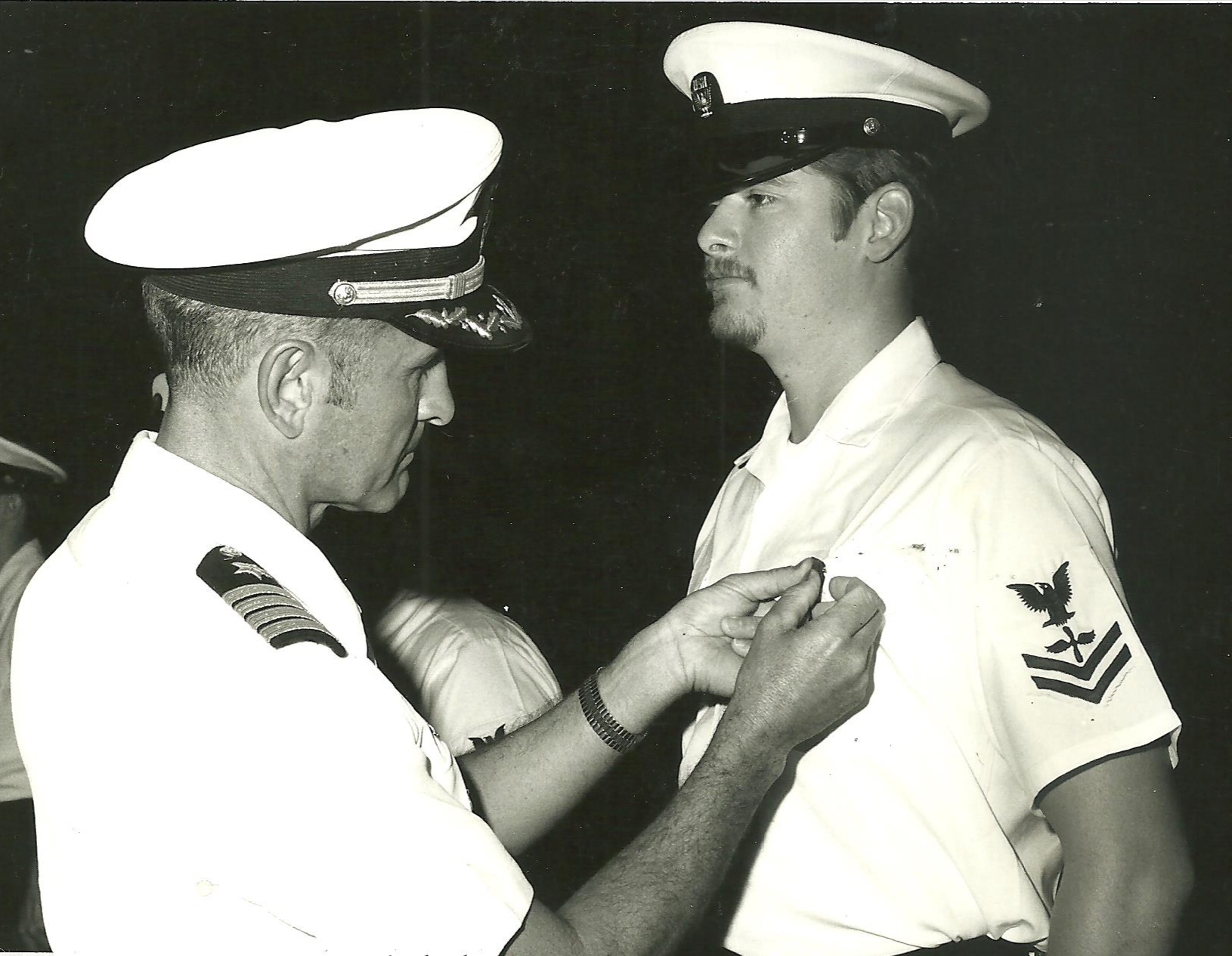
NAS FALLON • U.S. Navy • 1980

Crash barn • U.S. Navy
Crash barn • U.S. Navy
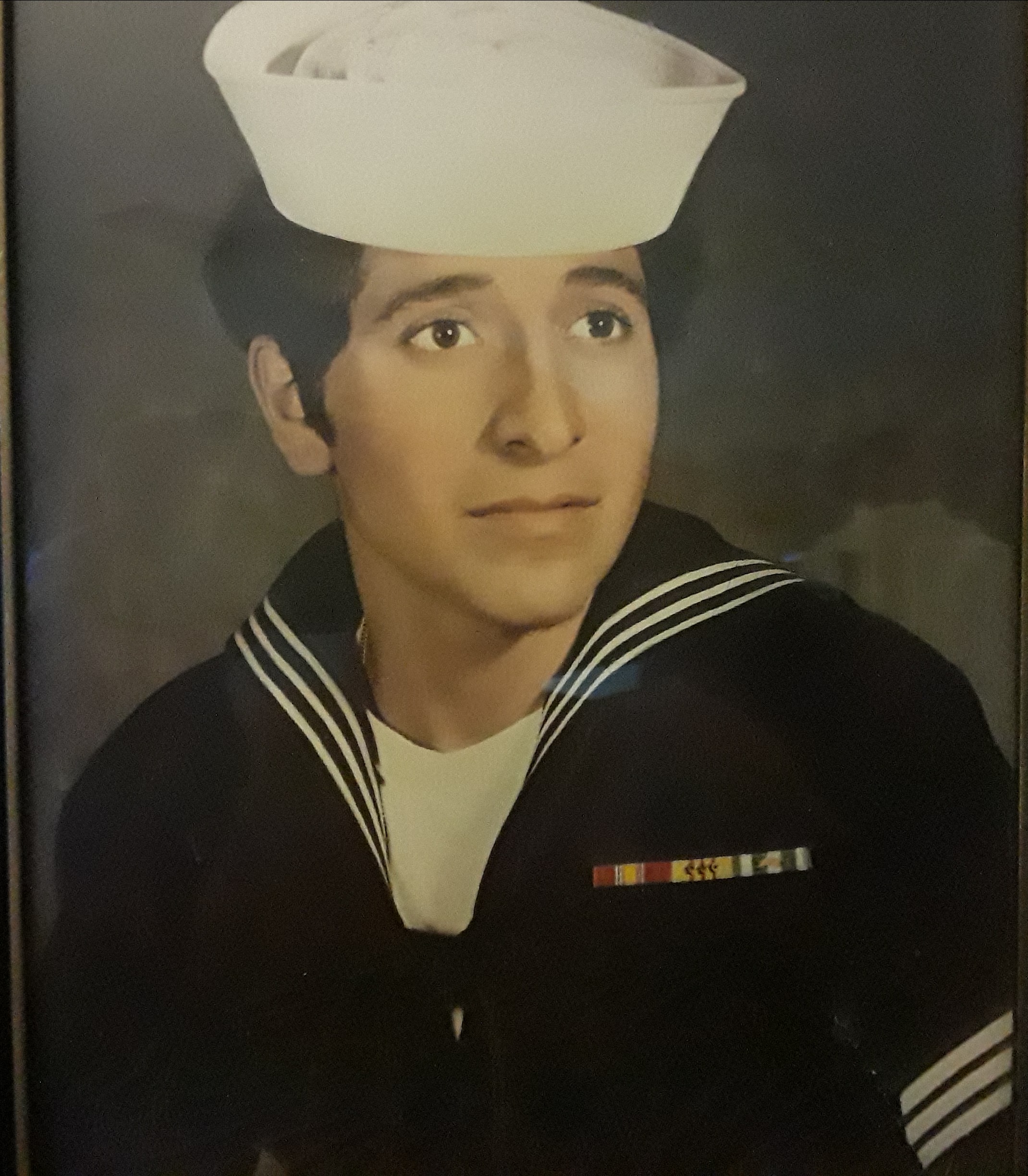
G-Division • U.S. Navy • 1970