
Opening branch overview
Building the branch home surface
Loading branch highlights, featured unit context, and gallery moments.
Overview
Members
Units
Building the branch home surface
Loading branch highlights, featured unit context, and gallery moments.
Building the branch units surface
Loading unit filters, rankings, and the branch unit grid.

U.S. Navy•3 members
Relive and share the memories of your service-time with your brothers and sisters in arms today. VetFriends.com can help you reconnect.
Did you proudly serve in the NCS ADAK?
Are you looking for someone who is or was in the NCS ADAK?
Do you have NCS ADAK photos you'd like to share?
Then join a community with your brothers and sisters of the NCS ADAK.
**NCS ADAK (Naval Communications Station Adak)** was established on Adak Island in the Aleutian Islands, Alaska, during World War II. Originally built as a critical communications and logistics hub for U.S. Navy operations in the North Pacific, NCS ADAK played a vital role in supporting the Aleutian Islands Campaign against Japanese forces. During the Cold War, the station expanded its mission, providing advanced communications, electronic surveillance, and intelligence support as part of the broader U.S. defense posture against the Soviet Union. The station was decommissioned in 1997 following the post-Cold War military drawdown, marking the end of more than five decades of strategic service.
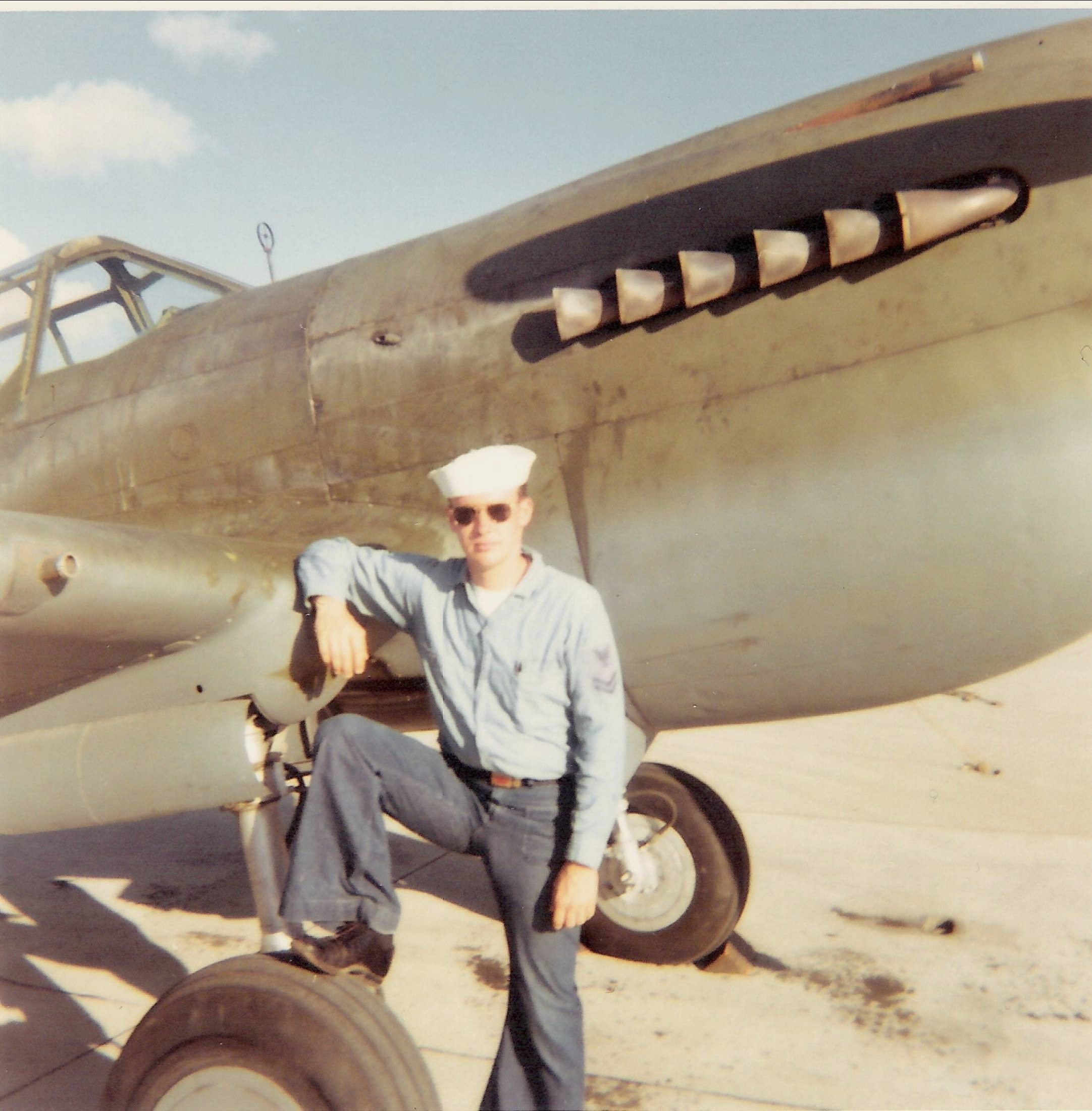
ATTACK SQUADRON VA-87 • U.S. Navy • 1969
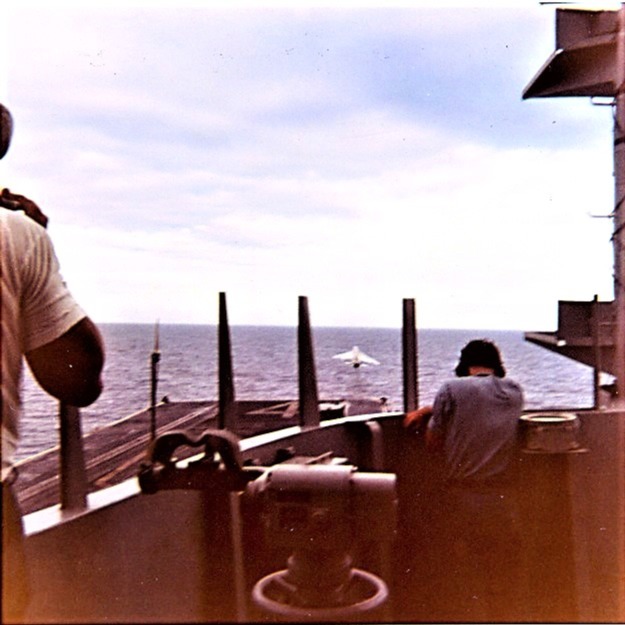
U.S. Navy • 1969
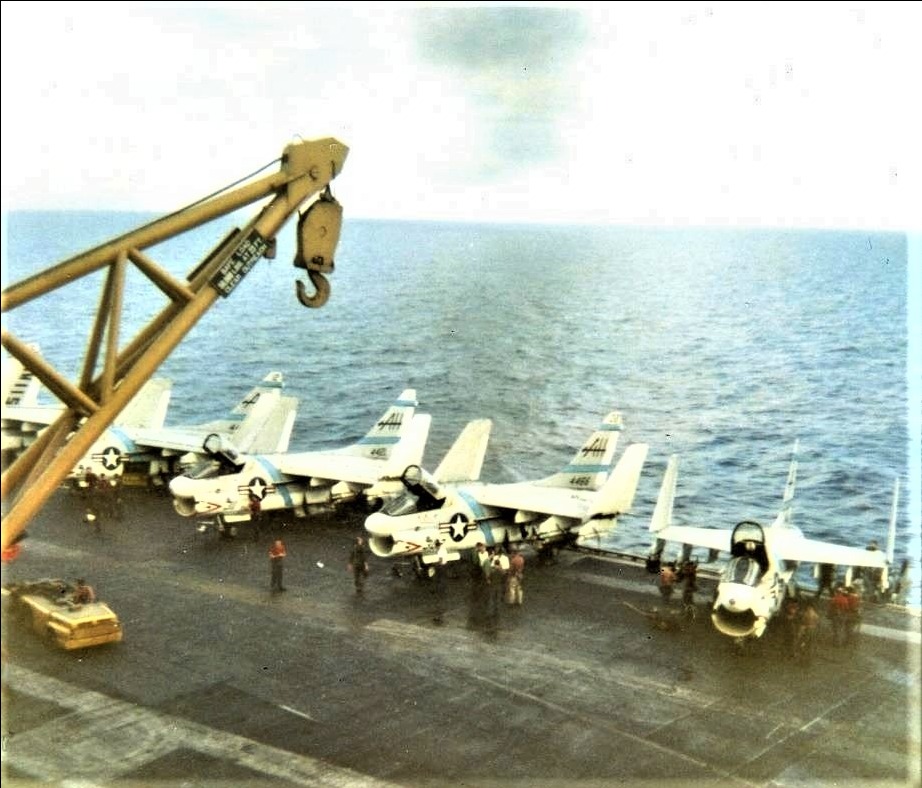
U.S. Navy • 1969
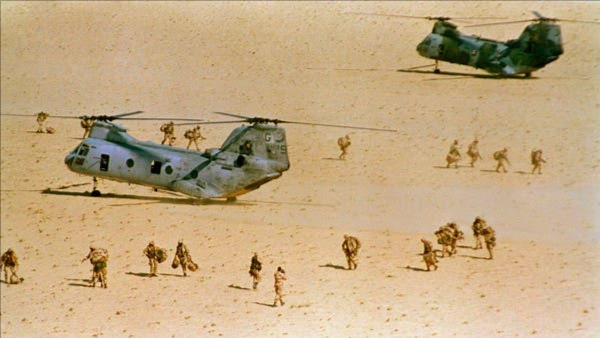
U.S. Navy